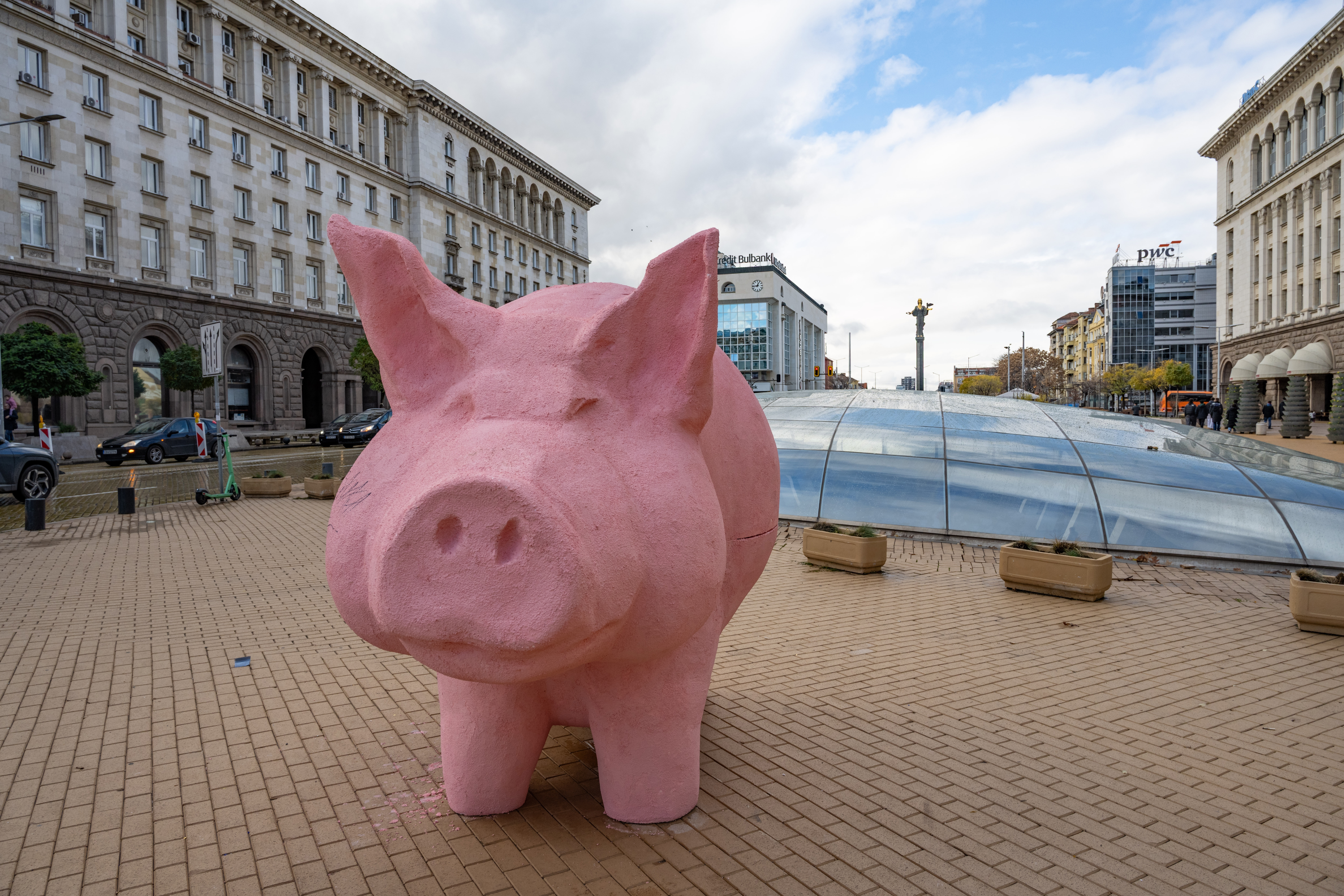
By JOHN PICKLES | At the core of the desire for transformation is a fundamental demographic challenge, revolving around the kind of future young Bulgarians can hope for. The mobilization of social media and symbolic politics shaped the protest movement in ways that other parts of Europe and beyond may well need to pay attention to.
Category: Research
By JULIA KHREBTAN-HÖRHAGER | The present moment reveals how fragile Europe’s post-historical confidence proved to be. Questions of sovereignty, territorial revisionism, democratic resilience, and state violence have re-entered political life.
By SARAH WOLFF | Is the EU moving towards a model of migration governance increasingly shaped by deterrence, externalization, and geopolitical bargaining rather than fundamental rights protection?
By SUZANA VULJEVIC | On first read, the irreverence and iconoclasm of Petrović’s lyricism appealed to me. While the high register, antiquated language, and occasional play on words found in the original threw me, Petrović the man was familiar and recognizable to me as a figure who fit squarely within Robert Wohl’s delineation of the generation of 1914.
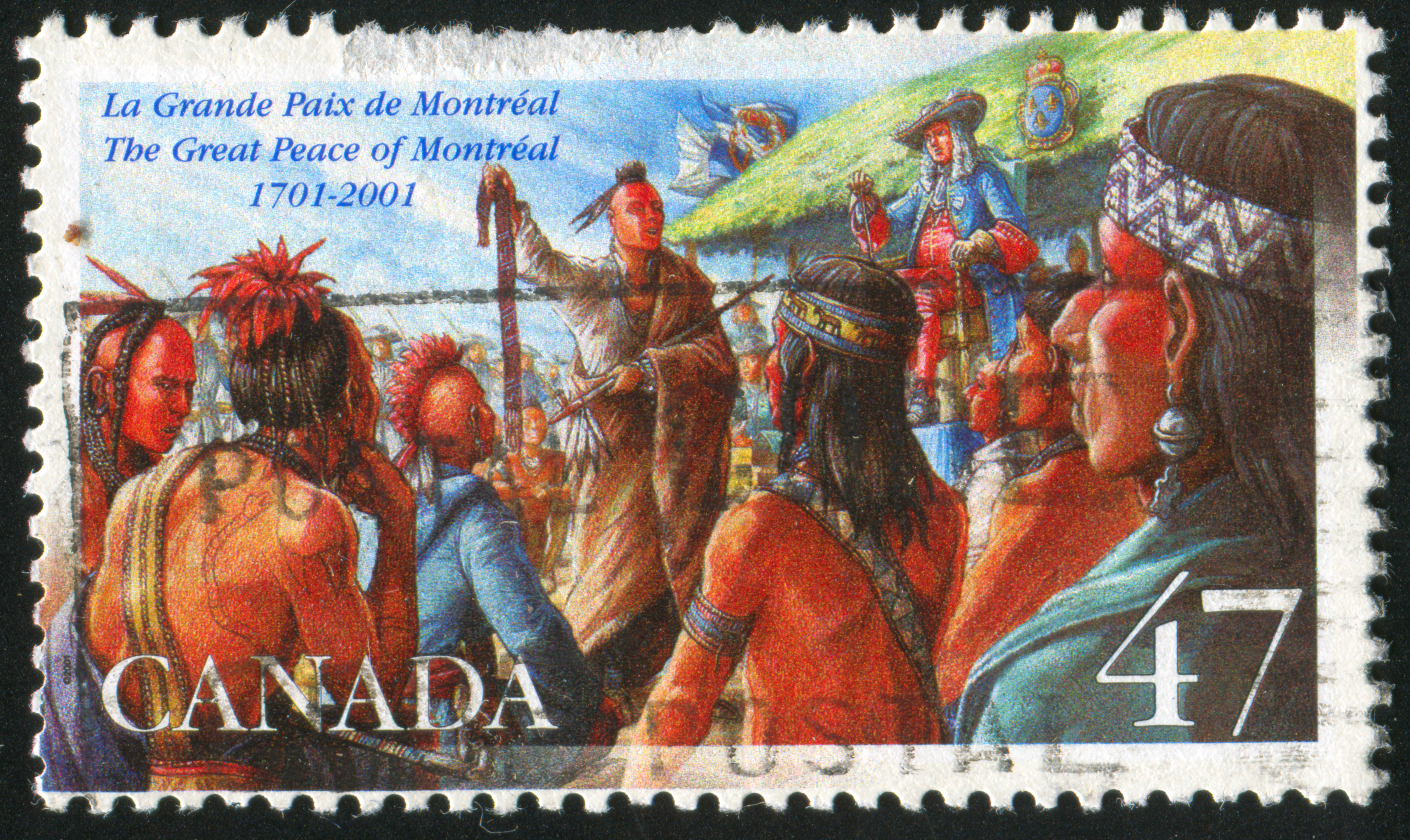
By VICTOR TAKI | The history of the late seventeenth- and early eighteenth-century conflicts in and around Canada demonstrates certain deviations from the Western European military pattern emerging at the time.Small war, as practiced by the French and their Indigenous allies against English colonies in the 1690s, was strongly criticized by contemporary English military historians and later on by American and Anglo-Canadian historians.
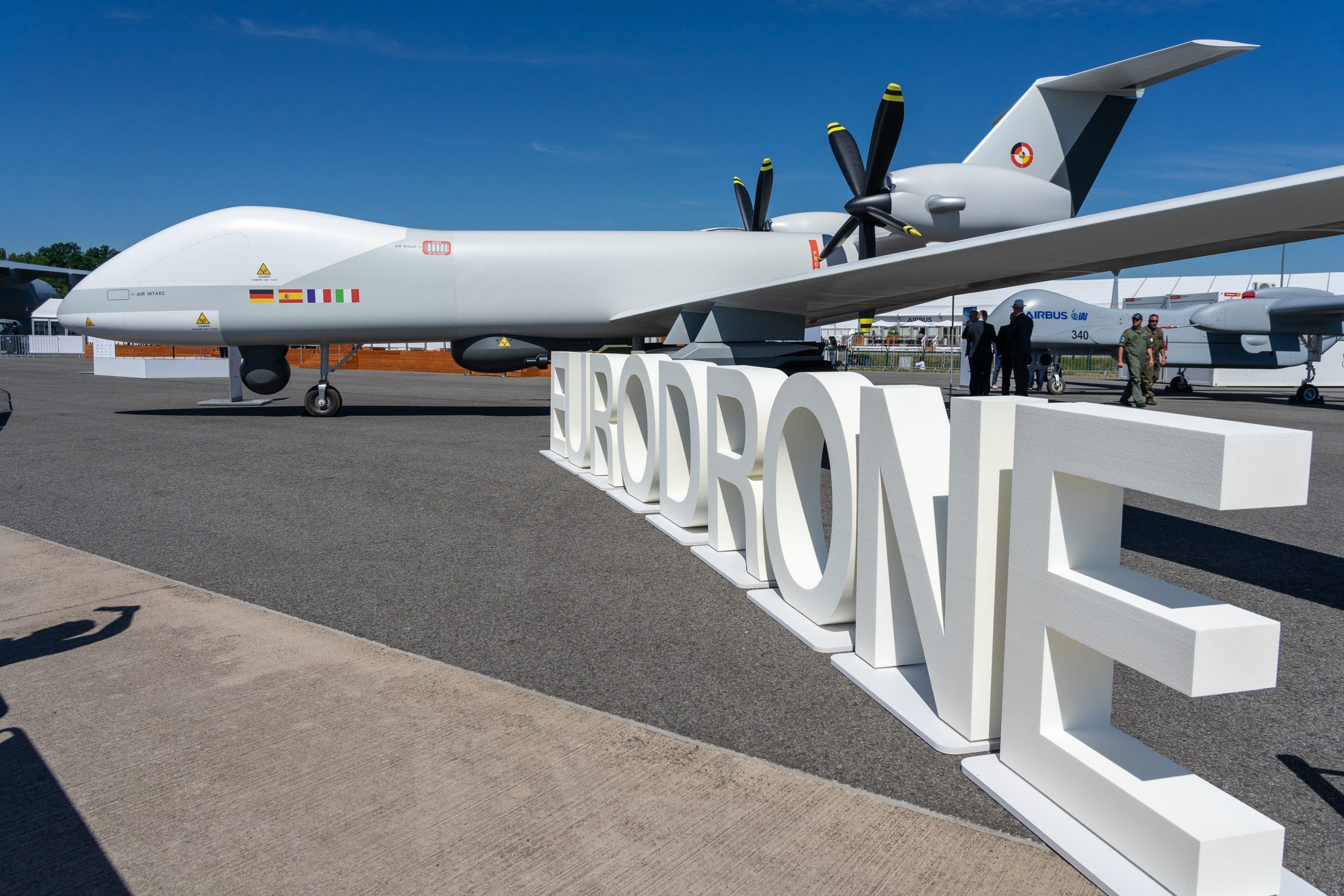
Defining the “European Defence Technological Industrial Base”: The Emergence of a Transnational Field under Dependencies
By SAMUEL B. H. FAURE | Arms production in Europe is mainly carried out by private companies, due to the liberalization of all national armament policies there.
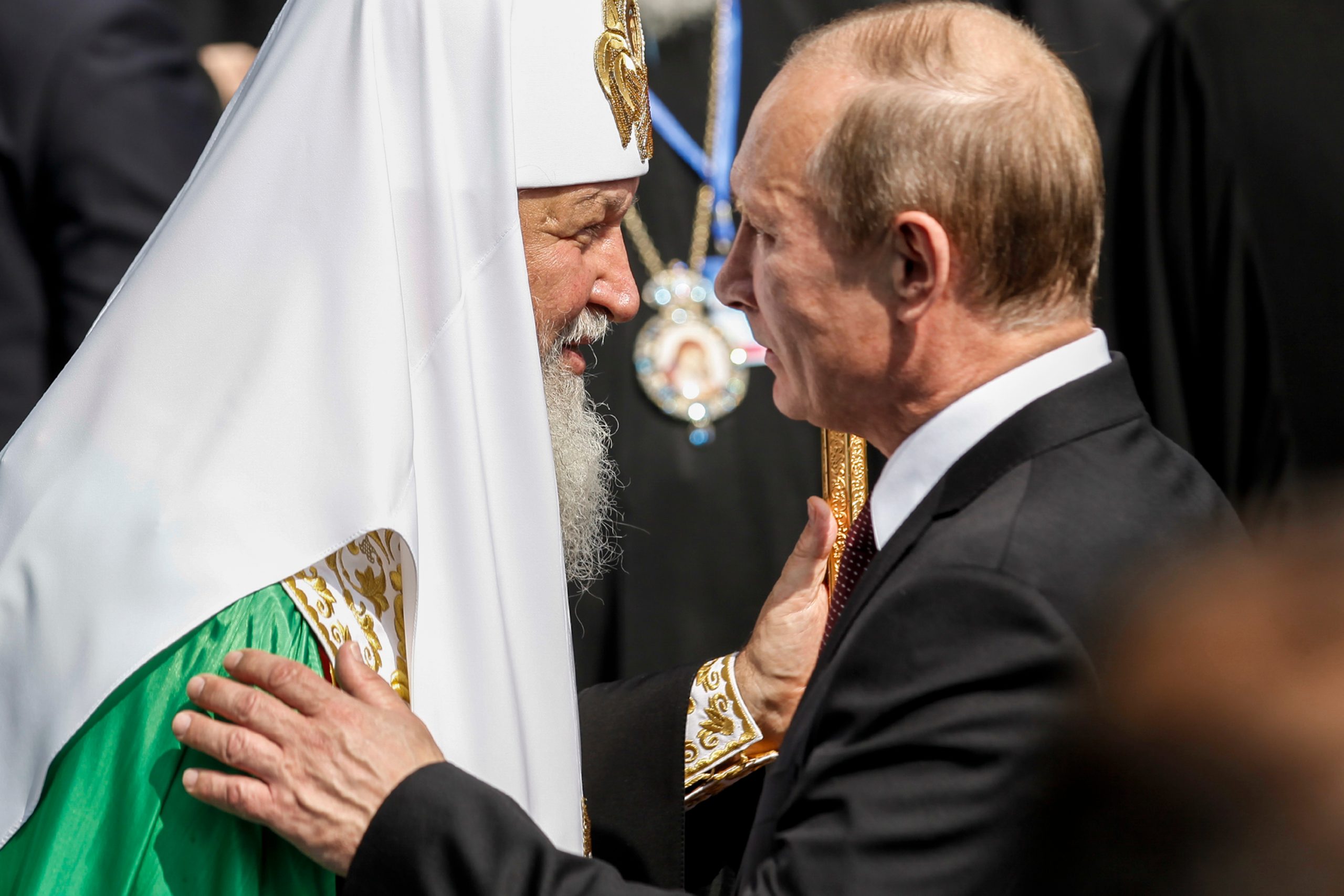
By GRIGORI KHISLAVSKI | In the run-up to and aftermath of the annexation of Crimea, Putin’s rhetoric started featuring theological imagery that ultimately found its way into the constitution via amendments.
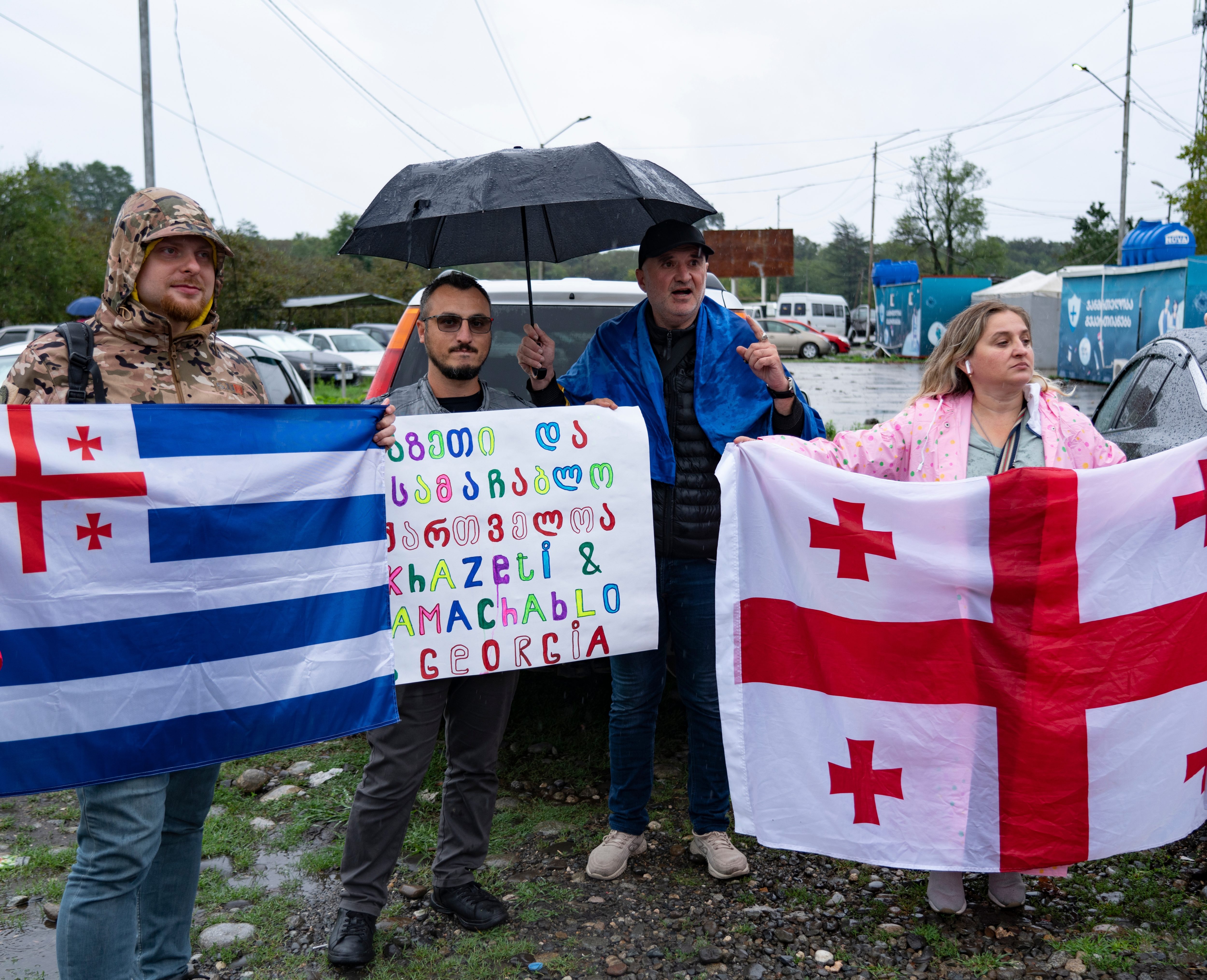
The Wider Impact of Russia’s Full-Scale Invasion of Ukraine: Insights from Georgia’s Contested Borderland with Abkhazia
By GAËLLE LE PAVIC | Contested borders constitute a particularly pronounced phenomenon in Eastern Europe and the South Caucasus, where unresolved conflicts and wars after the collapse of the Soviet Union have generated enduring disputes over sovereignty and statehood.
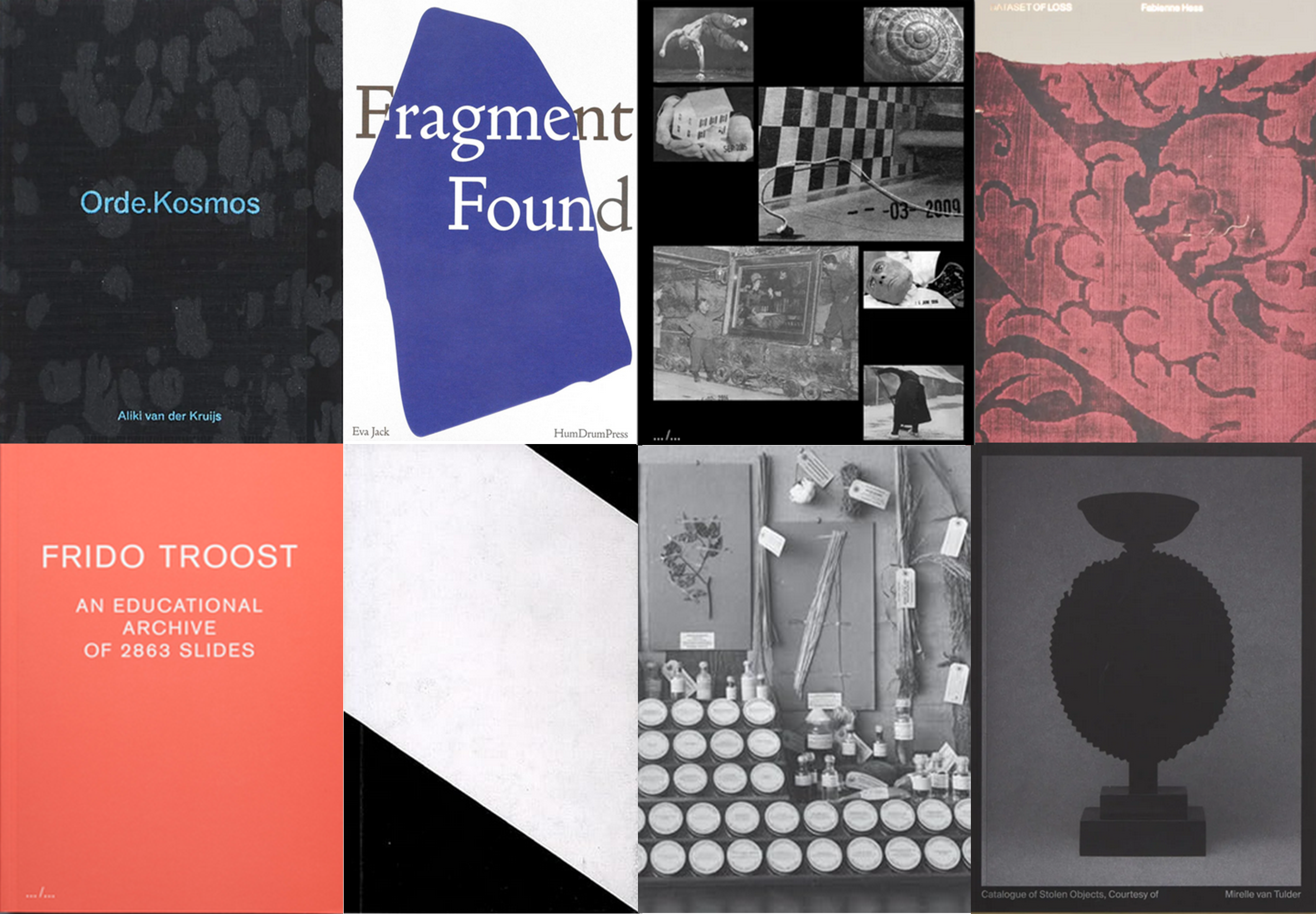
By DAVID BERRIDGE | The books discussed here chart a shift from the individual photograph to a reckoning with the “cacophonous energy” of our historical and contemporary image worlds.
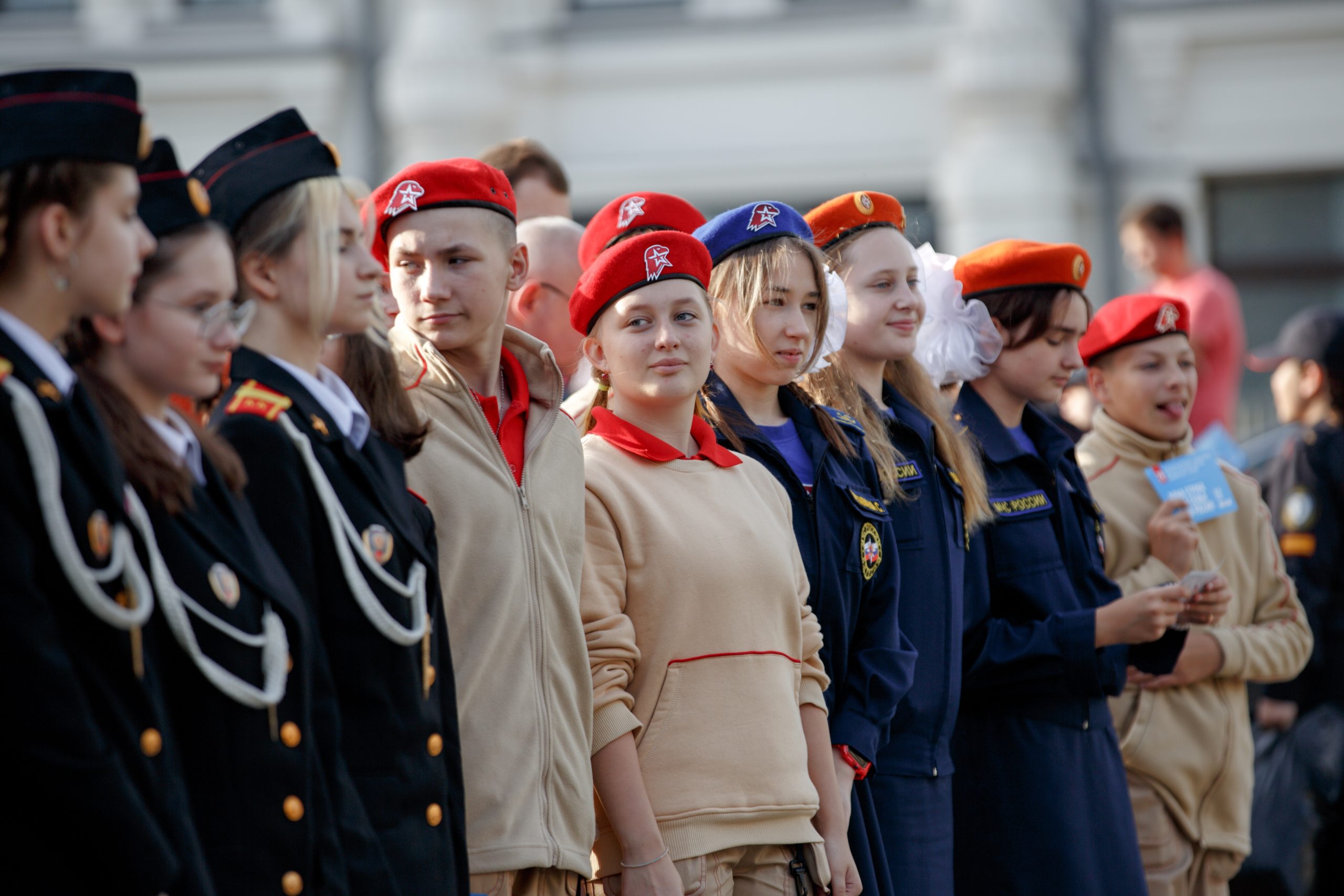
By JULIA KHREBTAN-HÖRHAGER | Throughout modern history, the indoctrination and militarization of young people have proven central to the consolidation of non-democratic regimes.
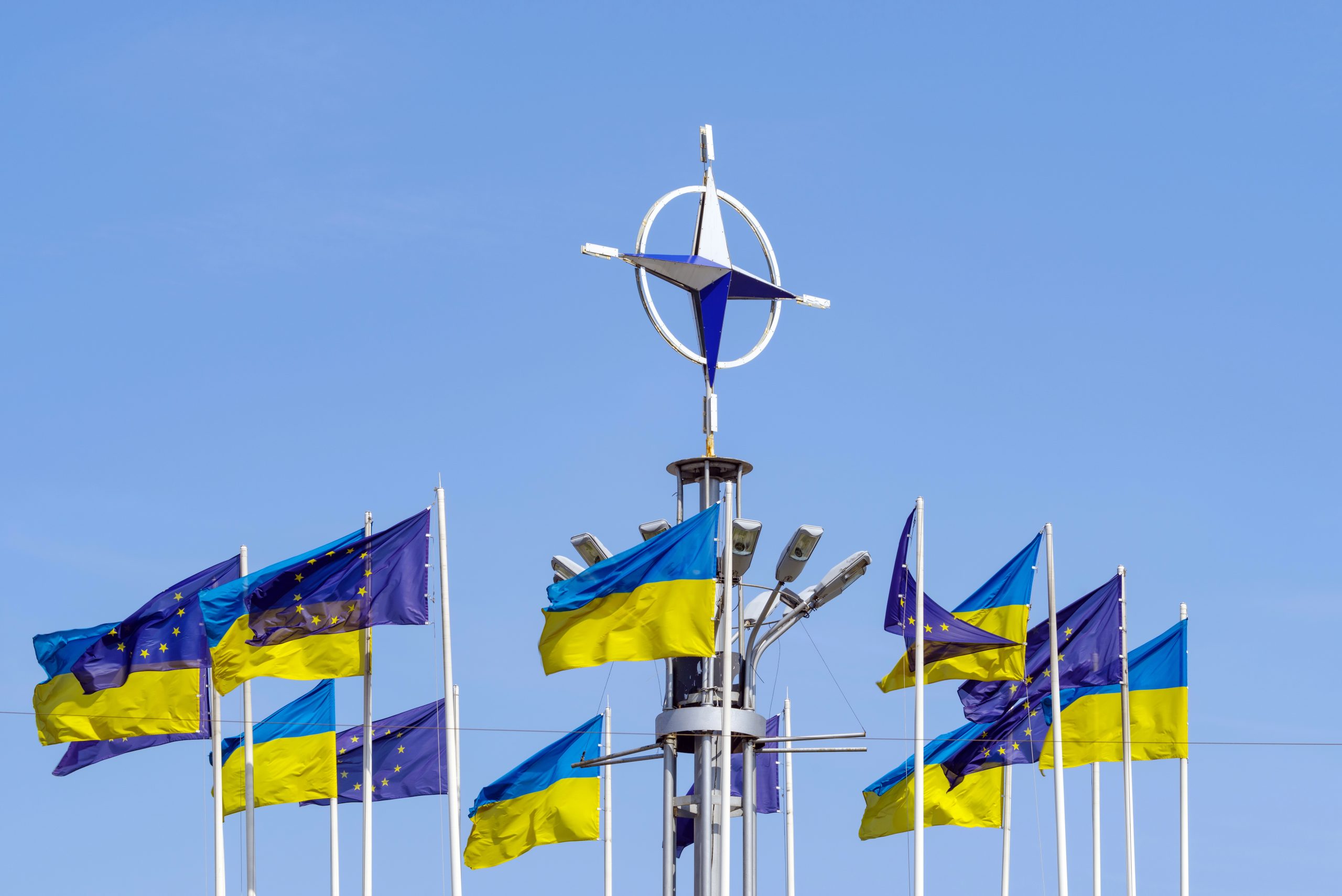
By METEHAN TEKINIRK | Europe’s pivotal moment is part of a broader process, a fundamental shift in world politics.
By BEE LEHMAN and TOM VAN NUENEN | Scholars must understand the scope of what exists in a digital environment to be conscious of inherent biases and interpretative limitations in their research.
Trade Policy as an Assertion of National Power: Reading Hirschman to Understand the Donald Trump Administration
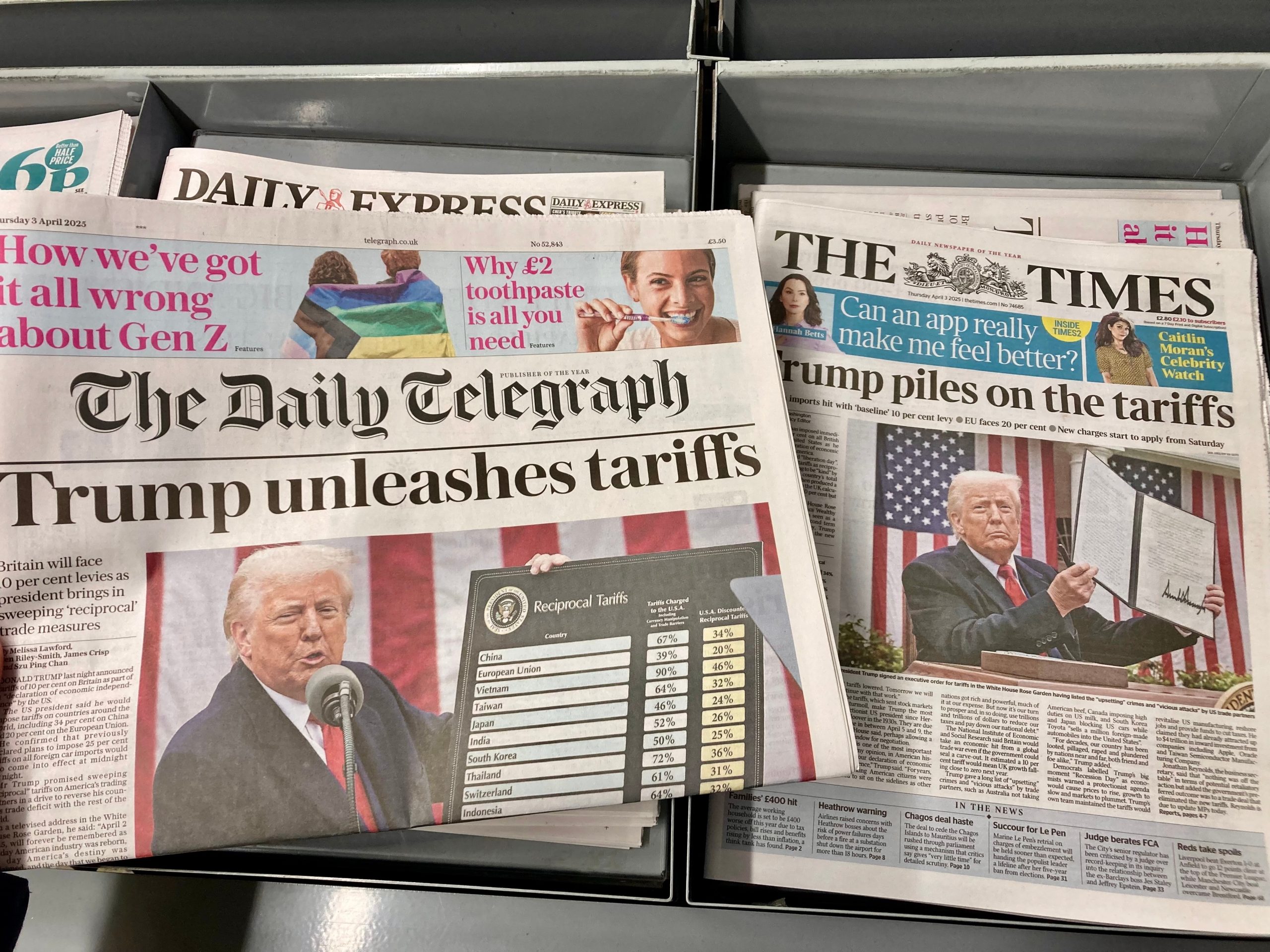
By PETER DEBAERE and MANUELA ACHILLES | Trade policy can serve as a deliberate instrument of political power even when it runs counter to the economic interests of the country imposing it.
By ANDREW MARTINO | At what point does an author, especially one of tremendous renown, sacrifice a right to privacy?
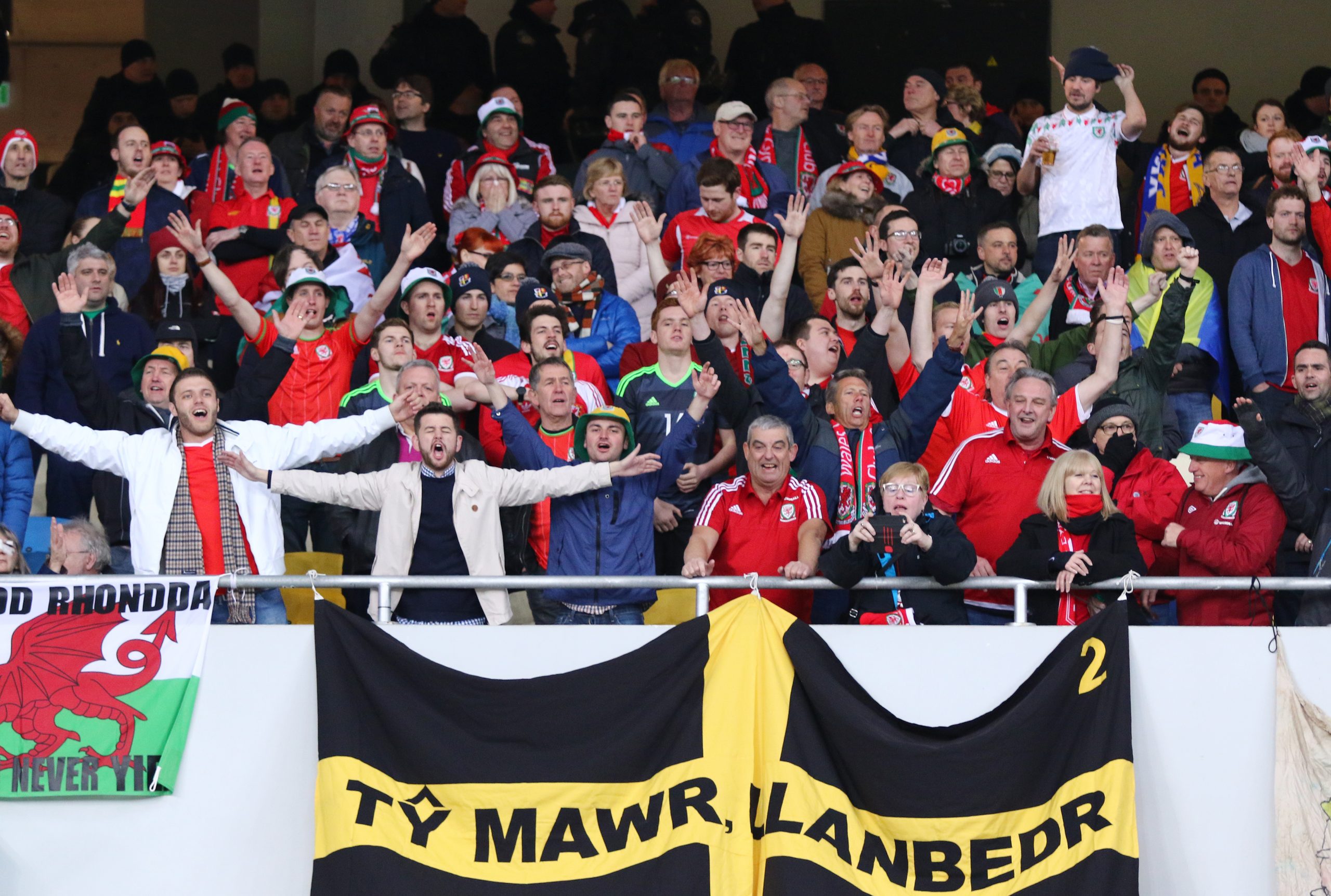
By CRAIG WILLIS | Every European league contains clubs situated in areas with regional or minority language contexts.