Skip to content
GlobalEurope

GlobalEurope

A journal placing Europe in the world

  • Home
  • About
    • About
    • Editorial Team
    • Publish in GlobalEurope
    • Join the E-List
    • Sponsors
      • Sponsor’s Page: WSF
  • Issues
    • All
    • ISSUE 5 | June 2026
      • Issue 5 | Contributors
      • Roundtable: Elections in Hungary
    • ISSUE 4 | April 2026
      • Issue 4 | Contributors
      • Special Topic: Eurovision
    • ISSUE 3 | February 2026
      • Issue 3 | Contributors
    • ISSUE 2 | December 2025
      • Issue 2 | Contributors
    • ISSUE 1 | October 2025
      • Issue 1 | Contributors
  • Research
    • Research in Focus
  • Interviews
  • Art
  • Teach & Learn
  • Reviews
  • Lit in Translation
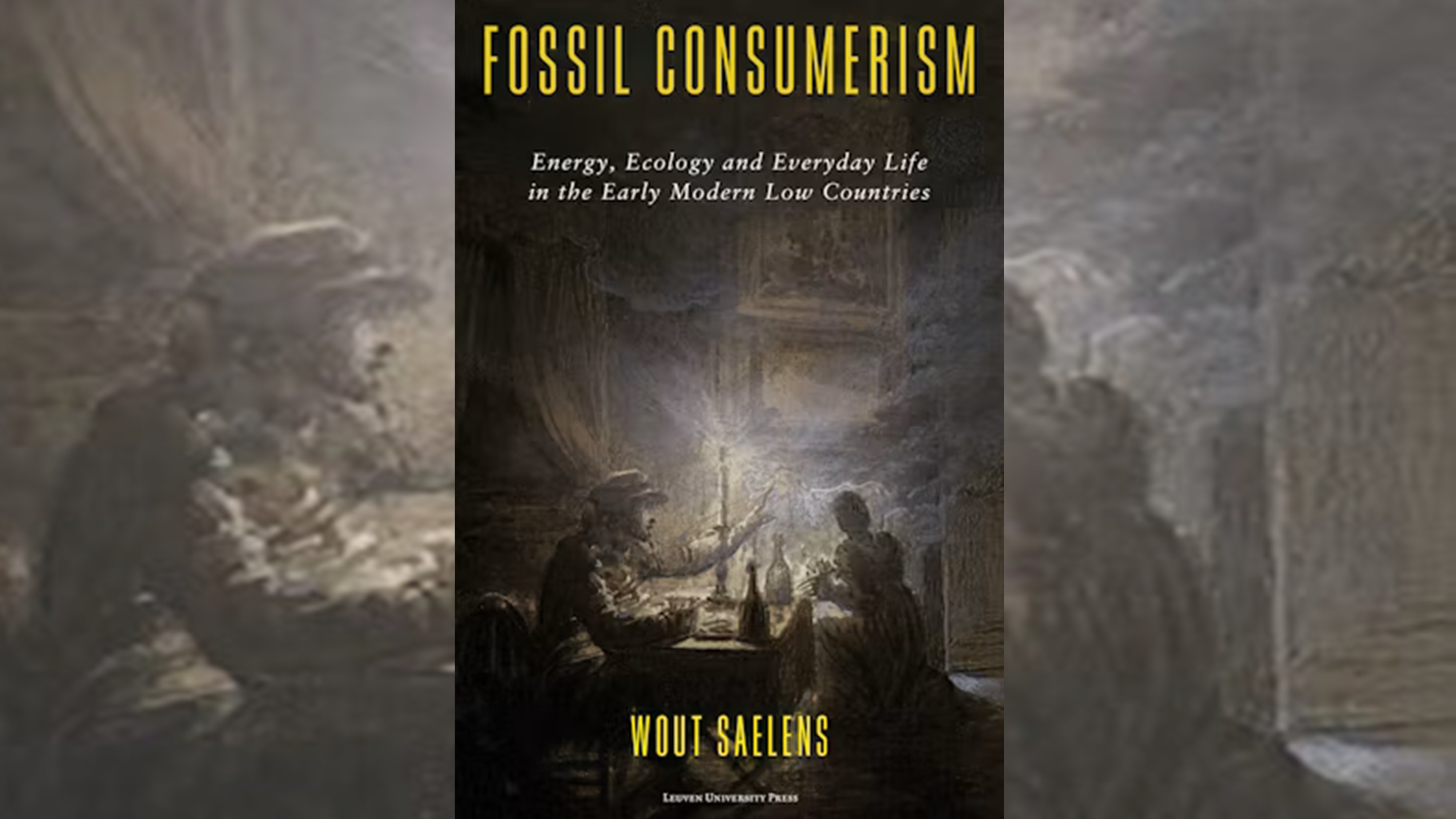
  • On Our Bookshelf

Author: globaleurope

The 2026 Hungarian Parliamentary Elections and the Crisis of Orbánism

Posted on By
The 2026 Hungarian Parliamentary Elections and the Crisis of Orbánism
Research

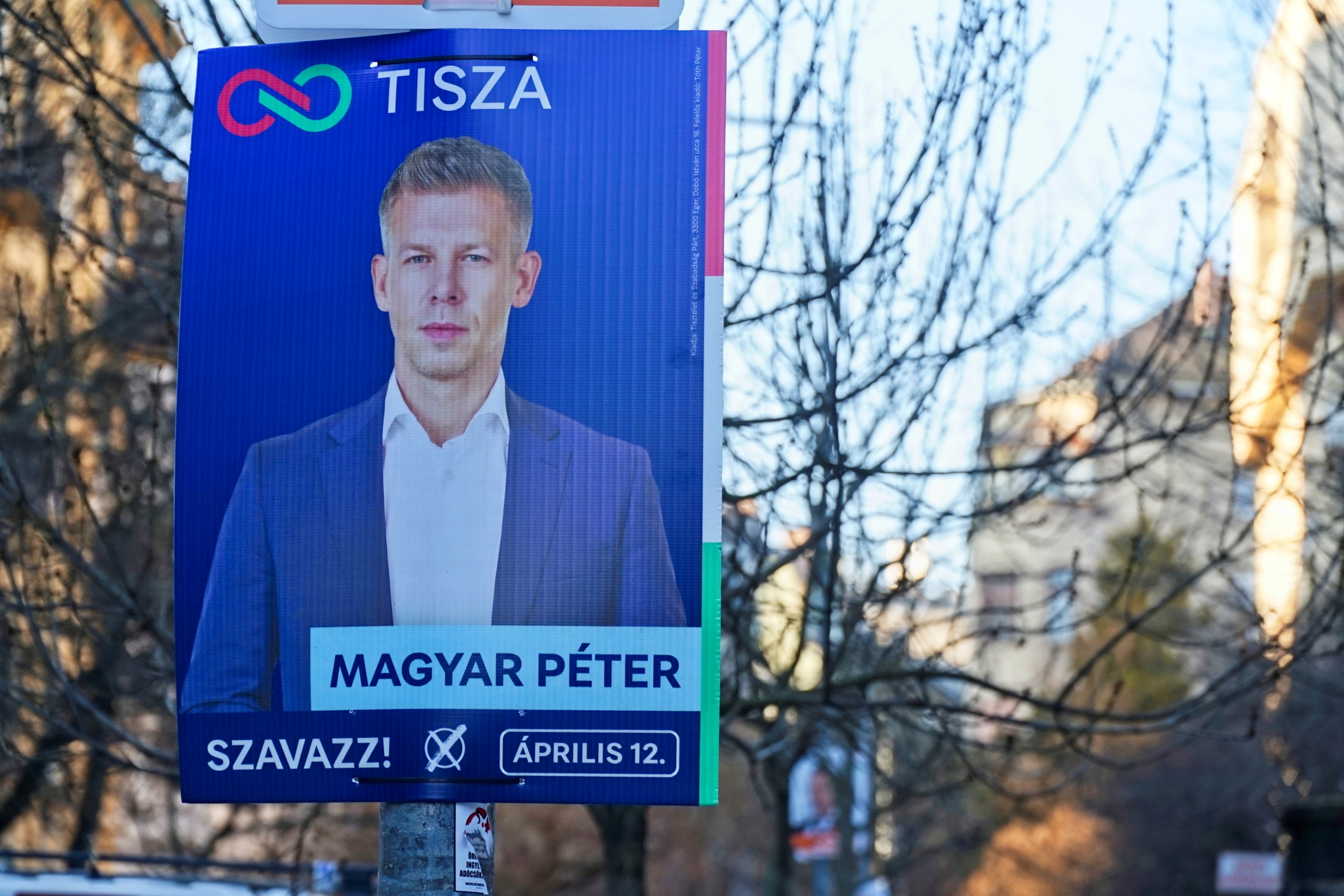
By MARTINA PLANTAK | The emergence of Péter Magyar as the central opposition figure fundamentally altered the dynamics of Hungarian politics, leading to broad debates about democratic backsliding within consolidated democratic frameworks and regime resilience. The legacy of Orbánism continues to pose significant challenges for democratic reconstruction and political transformation in Hungary.

Vibrant Republicanism

Posted on By
Vibrant Republicanism
Reviews

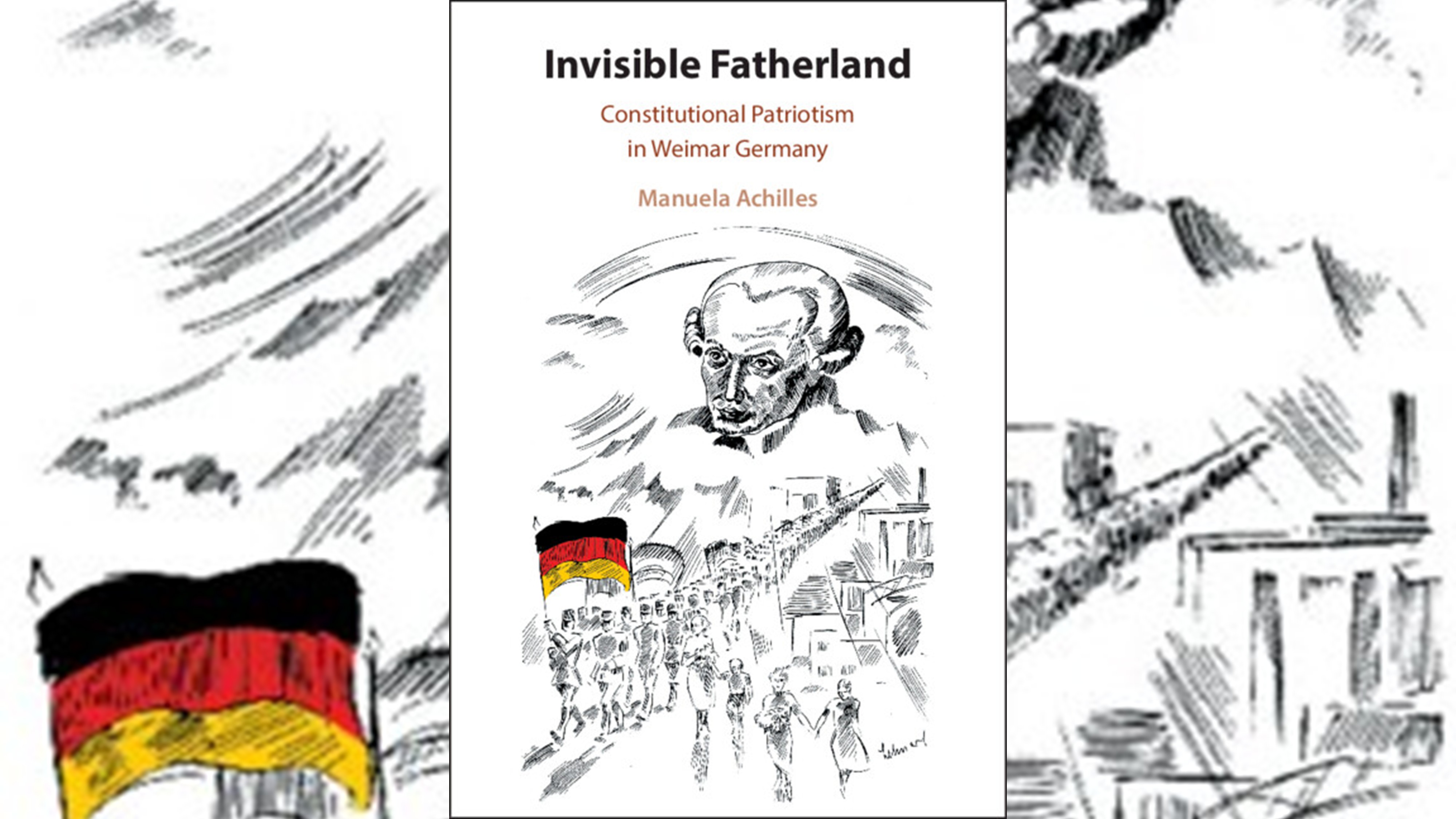
By MORITZ FÖLLMER | Achilles argues that constitutional patriotism was vibrant in Weimar Germany and that it was embraced both by political leaders in Berlin and by ordinary citizens in small towns. She conveys her appreciation of “civic habitus of democratic equality” but recognizes that this popular republicanism encountered some serious problems, describing how hostility to the Republic remained strong throughout the 1920s.

Food Literacy: Educating for Sustainable and Healthy Futures

Posted on By
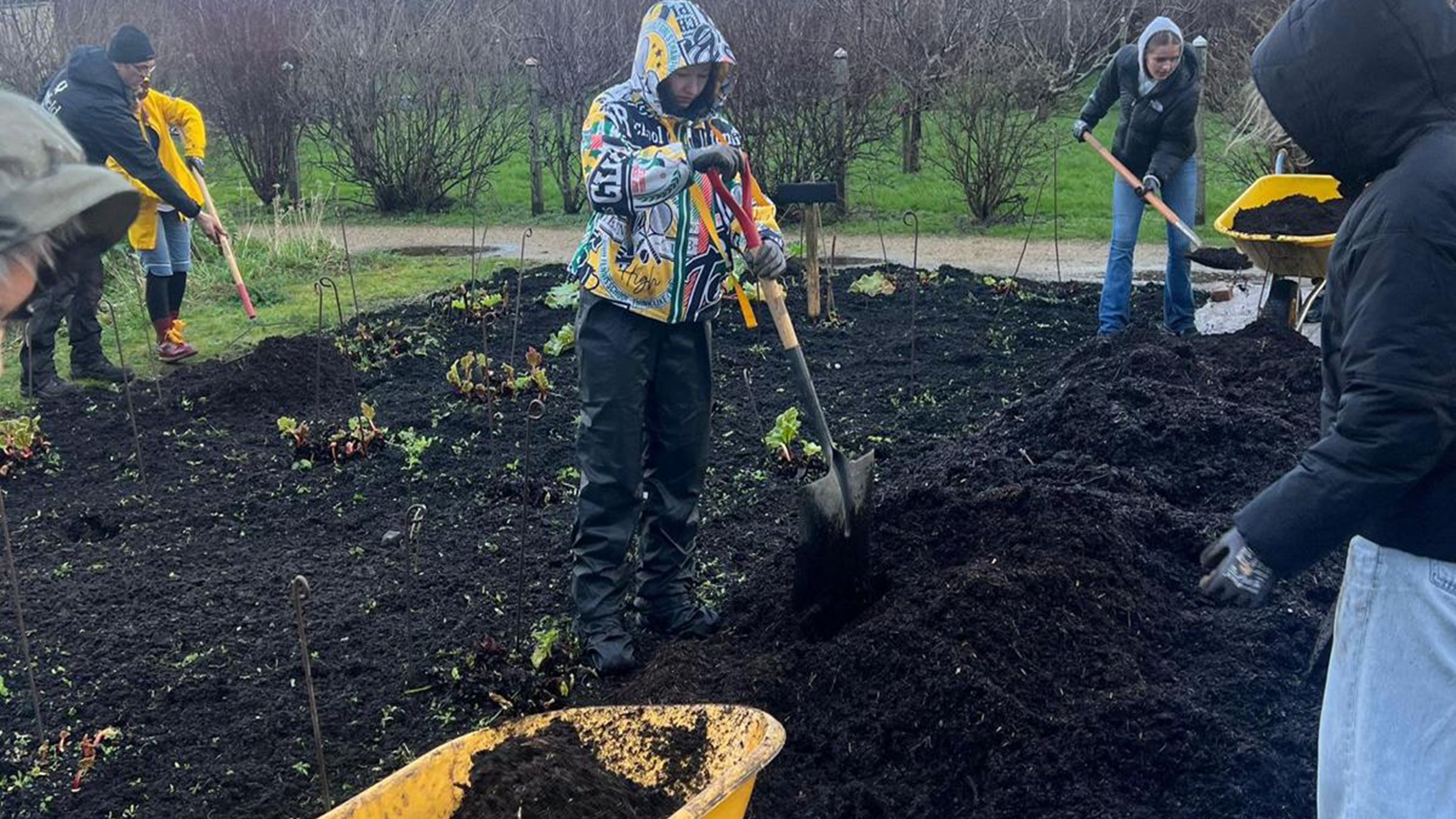
Food Literacy: Educating for Sustainable and Healthy Futures
Teach&Learn

By PAUL O’KEEFFE and ADA FREANEY | Considering the overlapping crises shaping global food systems and food security, and the mismatch between the scale of global food production and human and planetary well-being, the urgency of food literacy is particularly evident. It extends beyond nutritional knowledge to encompass skills, understandings, and values that enable individuals to make informed, ethical, and sustainable decisions about food.

Roundtable: The Unmaking of Illiberal Power in Hungary

Posted on By
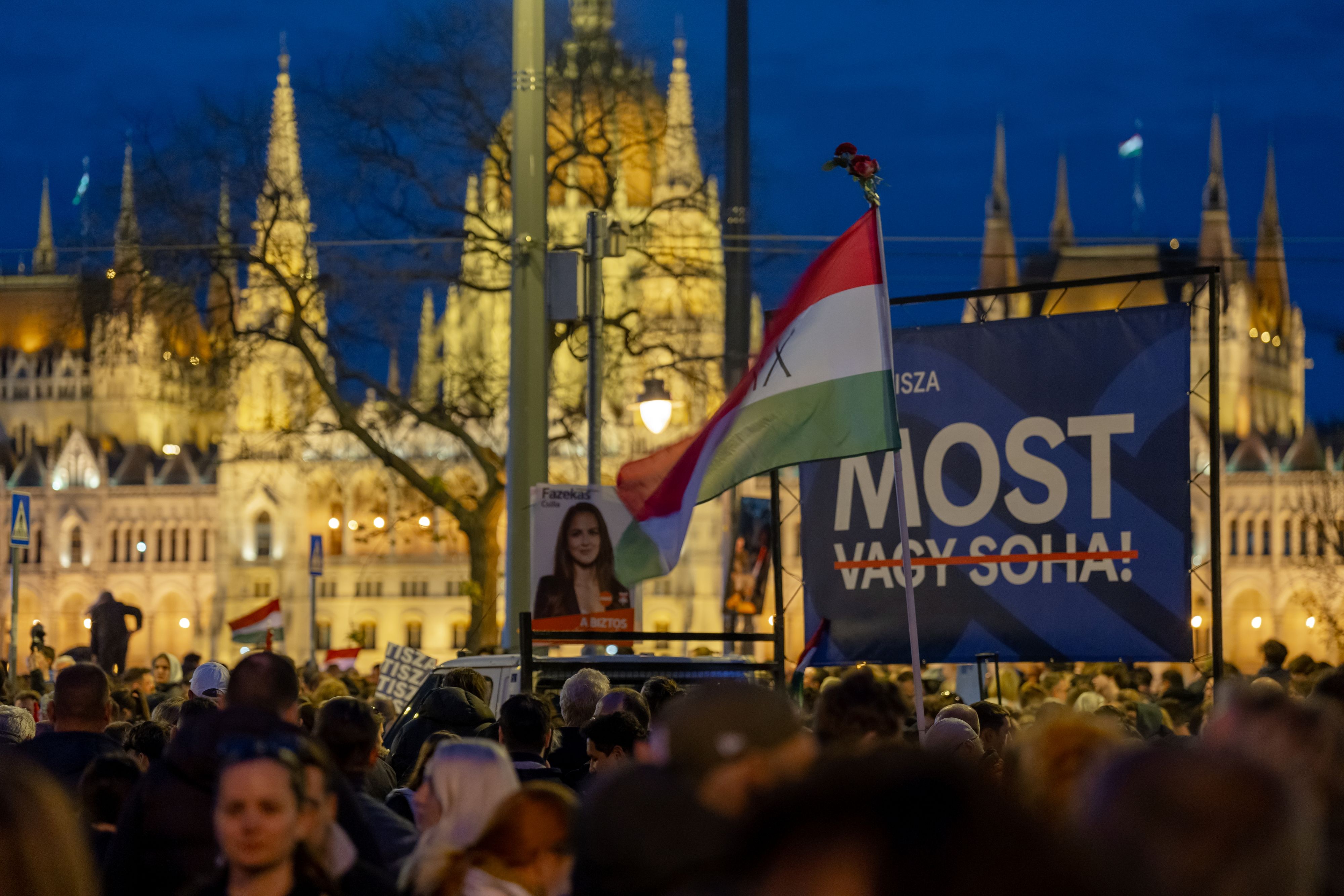
Roundtable: The Unmaking of Illiberal Power in Hungary
Research

By EDINA PALEVIQ | The 2026 elections in Hungary are used to examine democratic erosion and renewal, as contributors focus on the internal decay of an illiberal regime, the reconfiguration of political discourse inside Hungary, and the strategic use by Orbán’s government of institutional leverage within the European Union.

Institutional Amplification and Small-State Influence: Explaining International Concern over Hungary’s 2026 Election

Posted on By
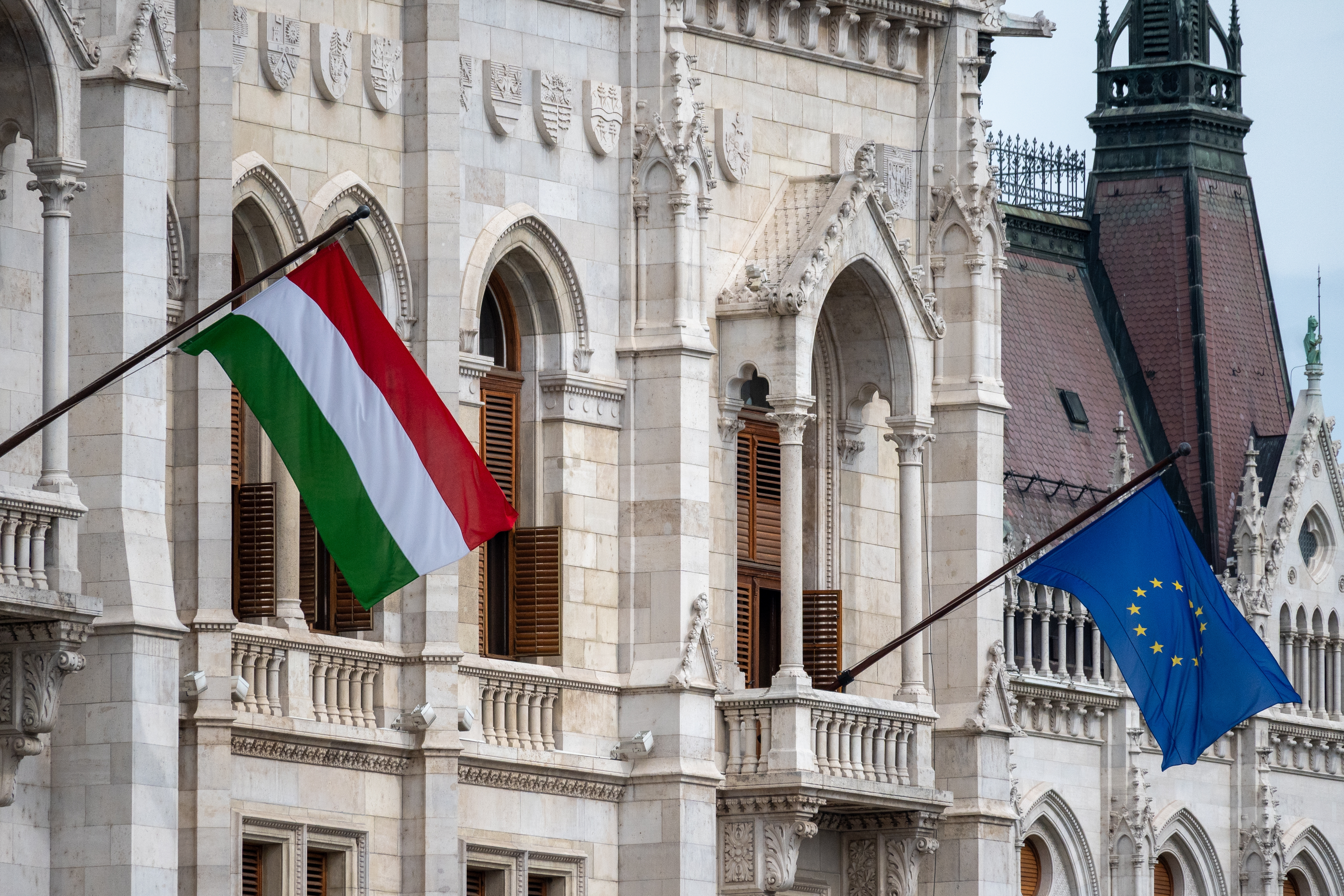
Institutional Amplification and Small-State Influence: Explaining International Concern over Hungary’s 2026 Election
Research

By EDINA PALEVIQ | In 2026, the Hungarian election was important for the EU, because it could determine whether the Hungarian government would continue to delay or reshape EU collective decisions on issues of high geopolitical importance, as Viktor Orbán’s government had done.

Serge by Yasmina Reza

Posted on By
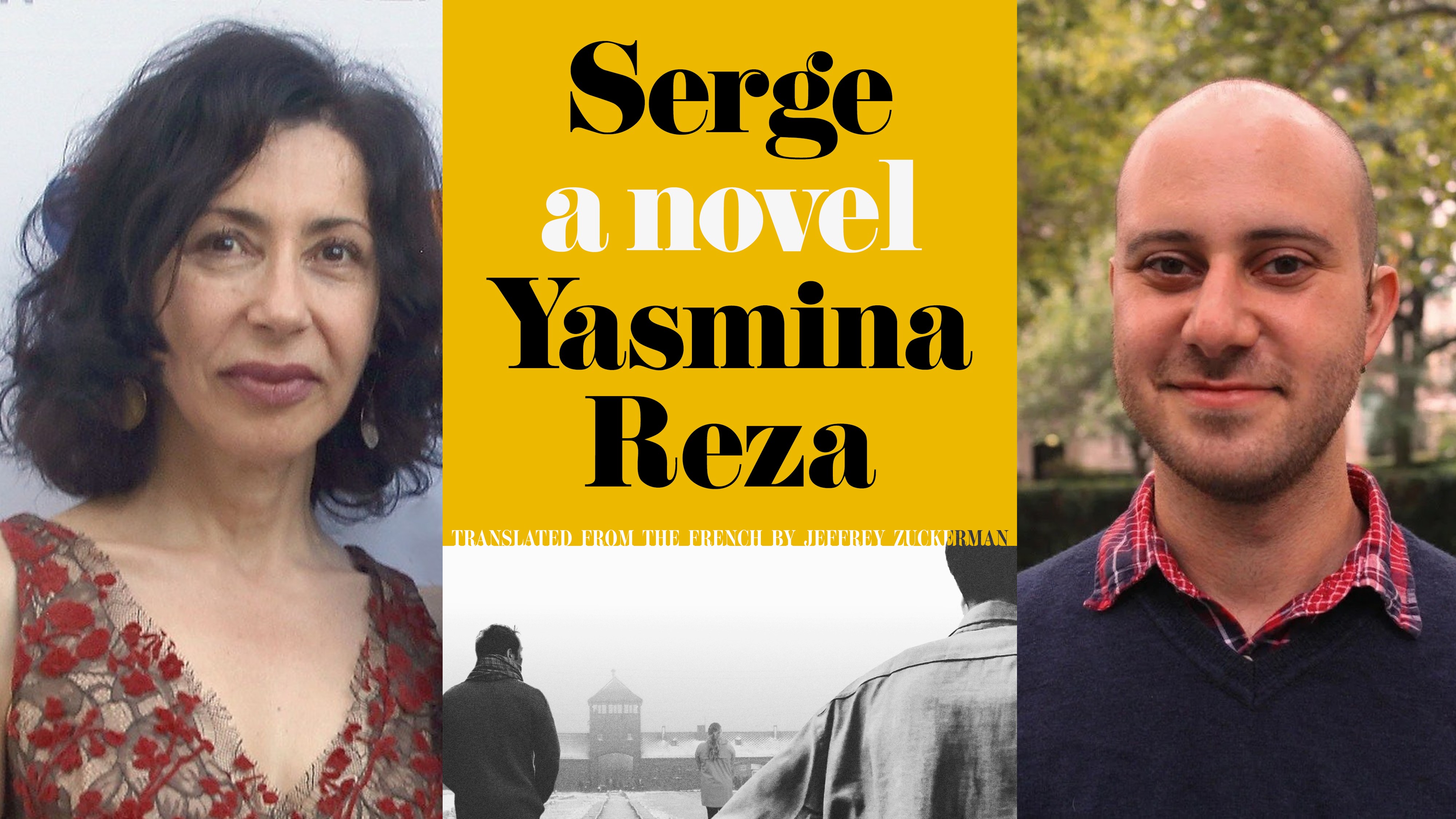
Serge by Yasmina Reza
Literature in Translation

Translated by JEFFREY ZUCKERMAN | At Birkenau there is nothing to do but walk. We approach the hills. Rays of sunlight still come down. On the ramp, a man plays at throwing a child up in the air. Every so often a security guard comes through on a Segway. Practically a supersonic roly-poly in a light-blue short-sleeve shirt who goes through a barbed-wire door and disappears behind a hut. We walk down the railroad tracks. The tracks built to receive Hungarian Jews.

Laced Murals by NeSpoon

Posted on By
Laced Murals by NeSpoon
Art

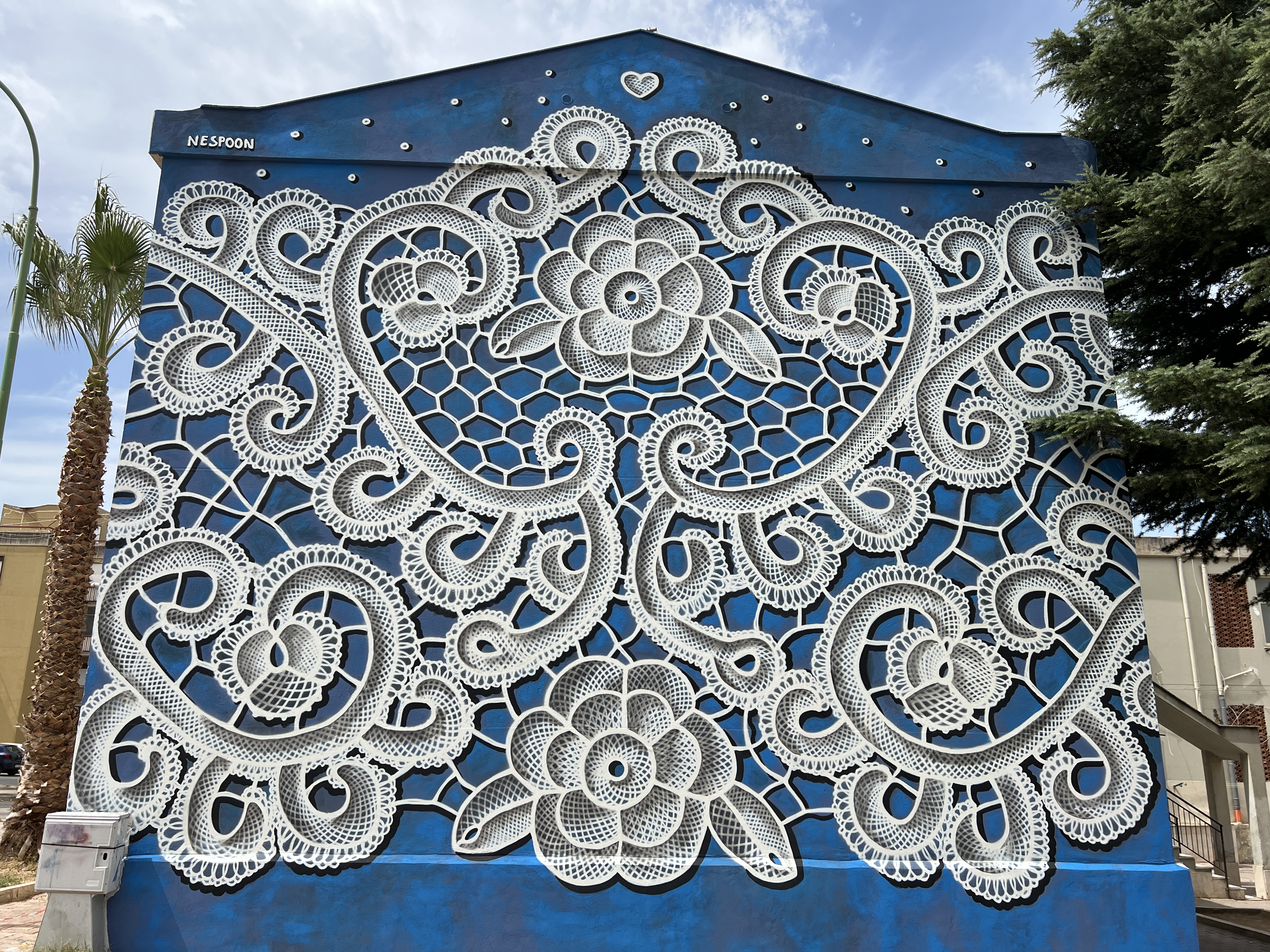
By NESPOON | By bringing lace patterns into the public space, NeSpoon transforms a form historically associated with private interiors and luxury into a universal visual language accessible to everyone. Her works function as ornament, cultural research, and a quiet gesture of harmony in the shared space of the city and bridges centuries-old craftsmanship and contemporary artistic expression.

June 2026

Posted on By
June 2026
On Our Bookshelf

This month’s recent book recommendations by GlobalEurope editors HÉLÈNE B. DUCROS, NICK OSTRUM, and OKSANA ERMOLAEVA. Read about the enduring fascination of the ultra-rich for the Versailles aesthetics, the entangled riparian systems through successive empires in Mesopotamia, and the interactions between the Russian military and local populations in WWII.

Europe’s Digital World Was Built By Hackers. It Can Be Saved By Them.

Posted on By
Europe’s Digital World Was Built By Hackers. It Can Be Saved By Them.
Research

By MARK BRUNO | Compared to its American counterpart, European hacker culture has been more influenced by the cultural memory of institutional violence and has developed a different set of instincts: skepticism of centralized systems, hostility to surveillance, and a conviction that technical expertise carries civic obligations.

Germany’s Pivot Point: The Upcoming September 6 Election in Saxony-Anhalt

Posted on By
Germany’s Pivot Point: The Upcoming September 6 Election in Saxony-Anhalt
Research

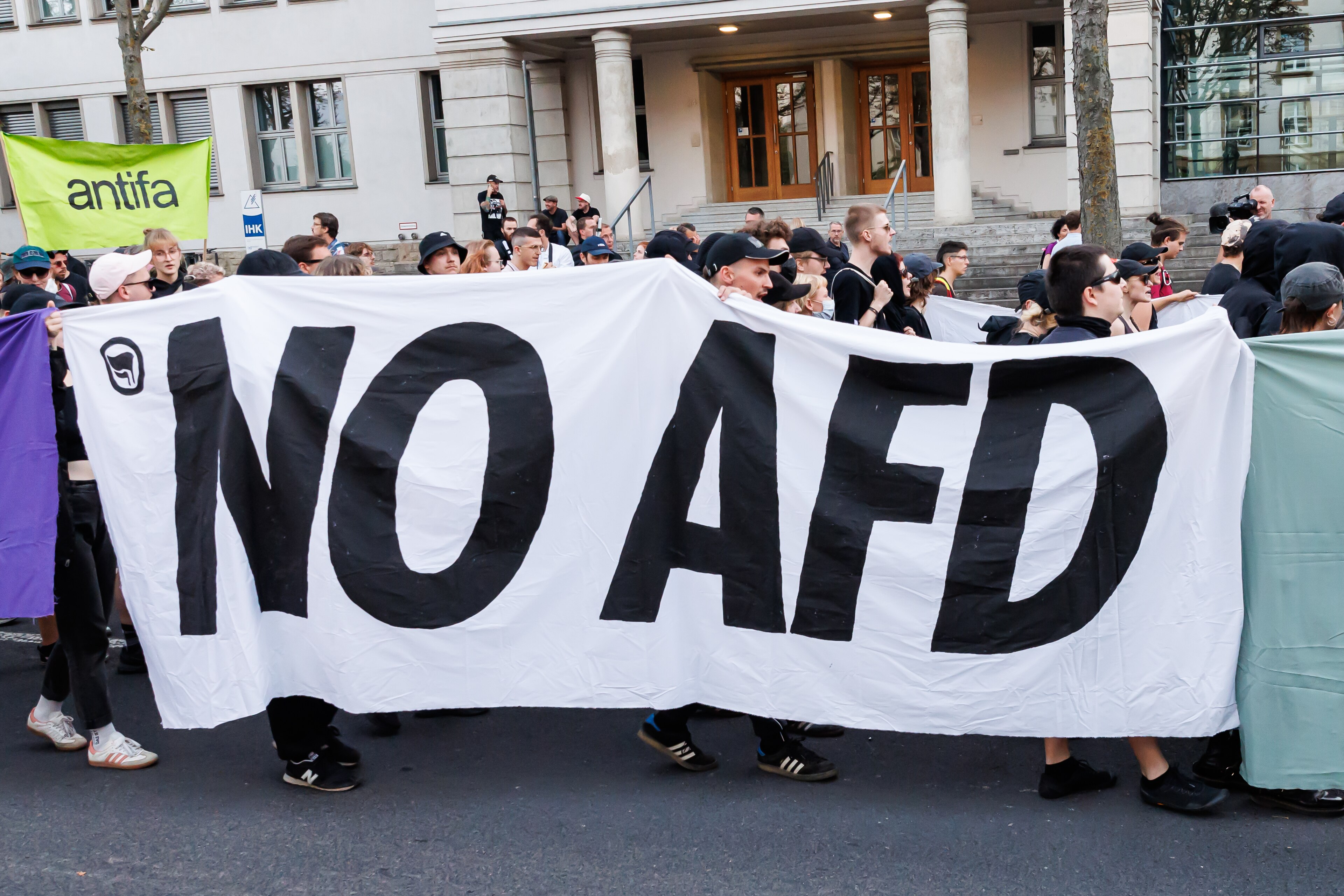
By ELIZABETH B. JONES | One cannot overestimate contemporary Eastern Germans’ deep alienation from politics as usual and their weariness of change, despite their general support for the idea of democracy. For the AfD, there are clear advantages to framing the upcoming September election as a sure victory, the most obvious being that it reinforces a “why bother voting?” attitude among the undecided.

On the Words of Change: From Revolutionary Poetry to Mouth-Karate in the Hungarian Opposition

Posted on By
On the Words of Change: From Revolutionary Poetry to Mouth-Karate in the Hungarian Opposition
Research

By JESSICA STOREY-NAGY | The Hungarian election outcome in favor of Péter Magyar’s Tisza party that led to the ousting of the autocratic Viktor Orbán in April 2026 was fueled by the creative discursive work of politicians and citizens.

Theorizing Turkey’s Policy toward Turkish Minorities in Southeastern Europe

Posted on By
Theorizing Turkey’s Policy toward Turkish Minorities in Southeastern Europe
Research

By SAHIN GÖKSU | Turkey’s policy towards Turkish minorities abroad has followed a defensive, stabilizing basic logic. The aim has been to avoid the withdrawal of minorities from social spaces in countries where Turks have historically been present and limit external influences that could curtail Turkish minorities’ freedom of action there.

A Parish Chronicle by Halldór Laxness

Posted on By
A Parish Chronicle by Halldór Laxness
Literature in Translation

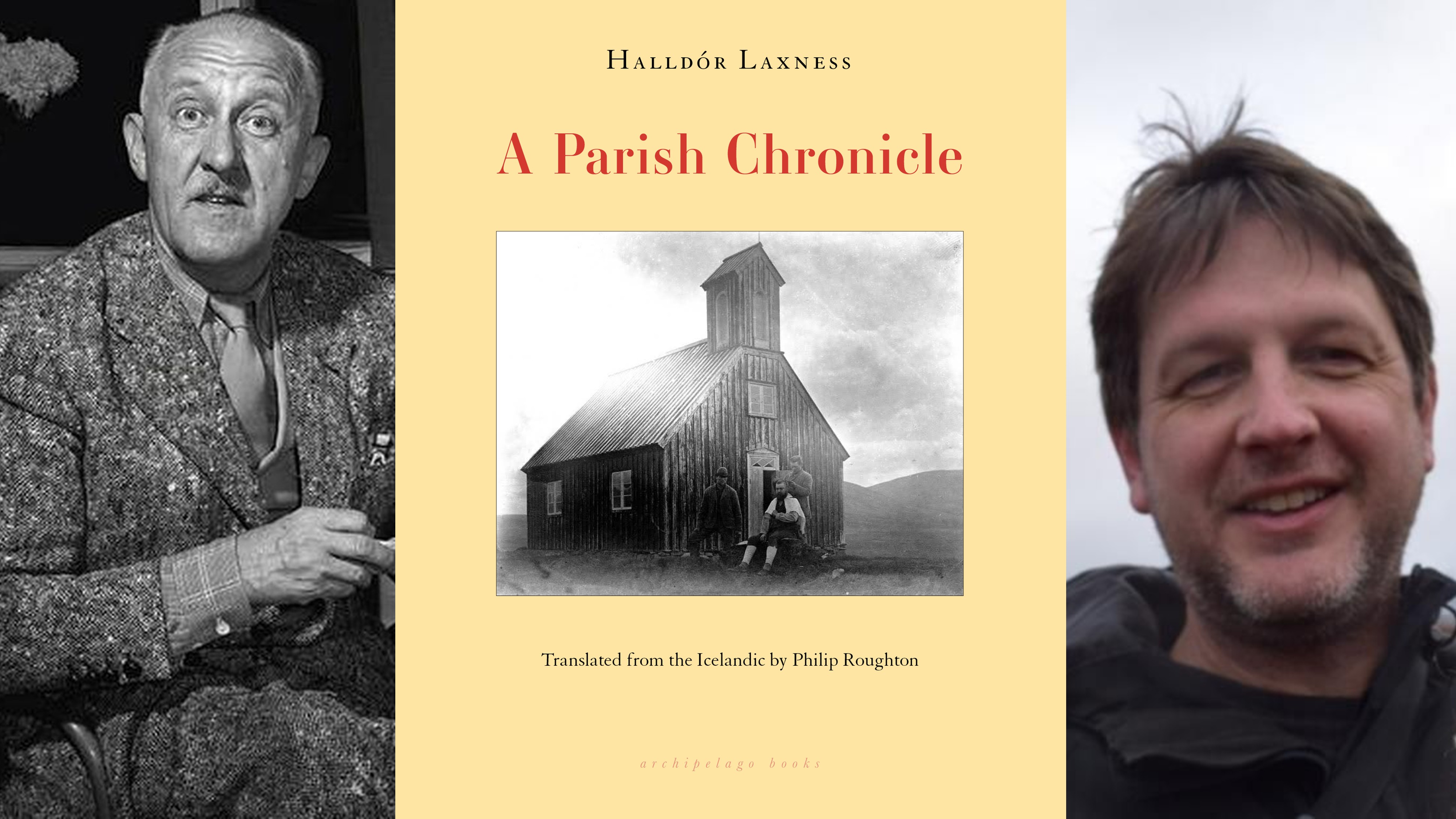
Translated by PHILIP ROUGHTON | The ups and downs of the country’s sheep were discussed as one might normally discuss the circumstances of better-placed people in society: unctuously and ceremoniously, but perhaps not always with deep feeling.

Images on the Move: Decentering Pilgrimage and the Mobility of Holy Objects in Diaspora Communities

Posted on By
Images on the Move: Decentering Pilgrimage and the Mobility of Holy Objects in Diaspora Communities
Research

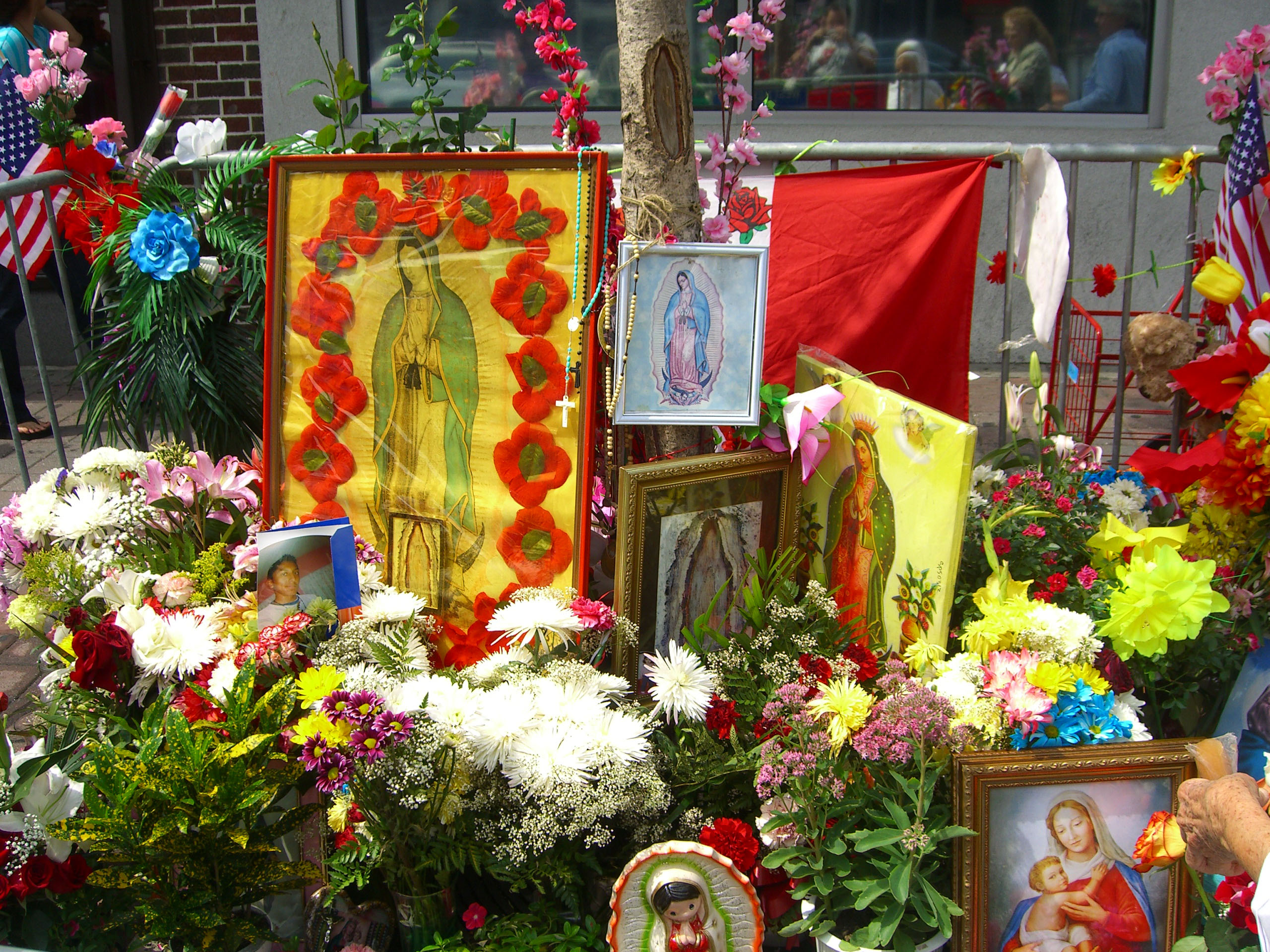
By DINO BOZONELOS and DANIEL VECCHIO | The process of decentering pilgrimage turns the discourse of the Camino on its head since it ultimately rests on the premise that religious travel involves not the travel of the pilgrim to the sacred but instead that of the sacred to the pilgrim.

Eurovision in the History of Postwar Europe: An Interview with Dean Vuletic

Posted on By
Eurovision in the History of Postwar Europe: An Interview with Dean Vuletic
Interviews

By MANUELA ACHILLES | It is historically misleading to describe Eurovision as a peace project born directly from the ruins of WWII. It was established as a technical rather than a political initiative. Today, it is the largest cultural event bringing Europeans together on a single occasion to consume the same product. It is Europe’s biggest election.

Eurovision: A Vision for Europe?

Posted on By
Eurovision: A Vision for Europe?
Research

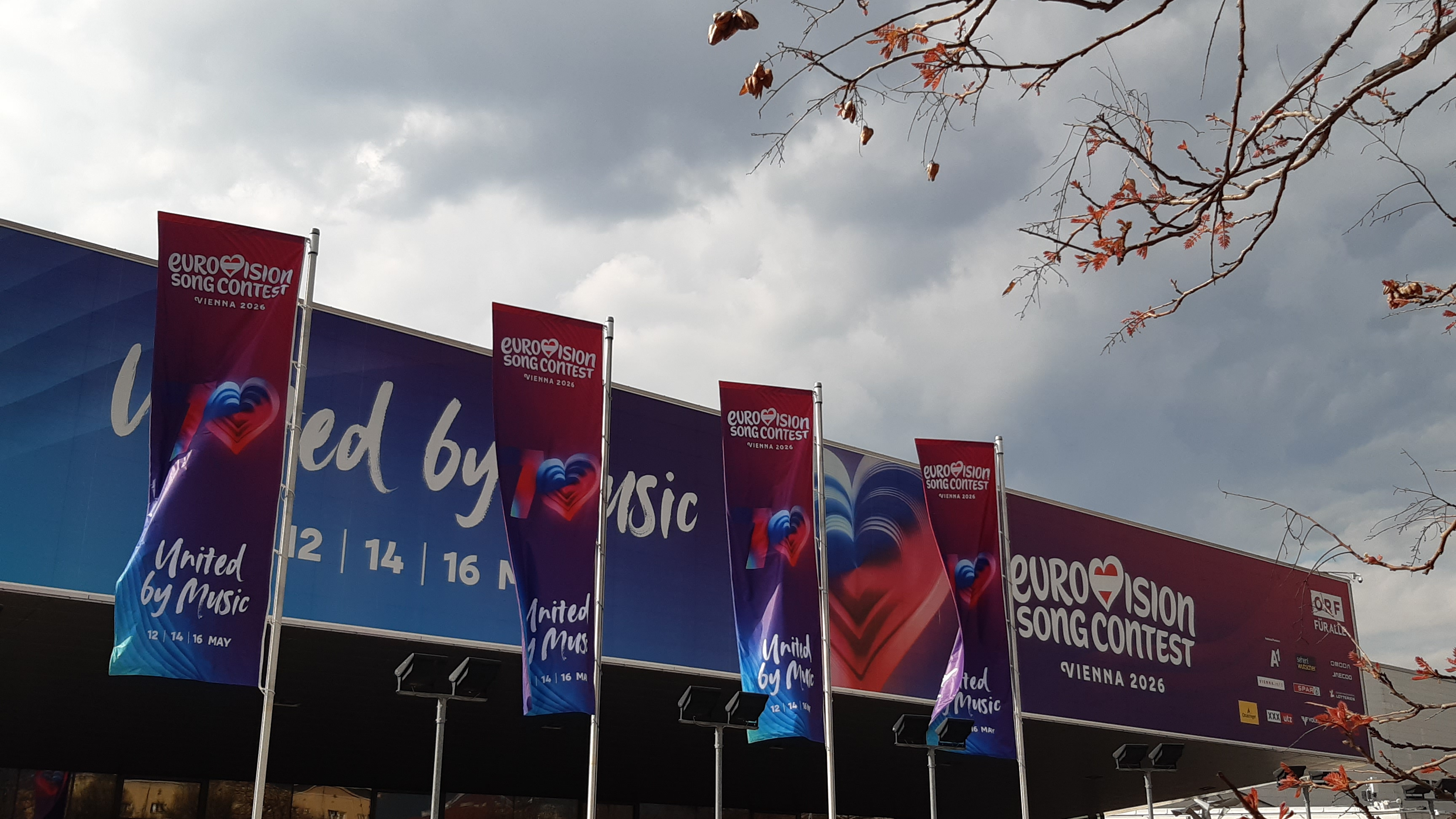
By MANUELA ACHILLES and PETER DEBAERE | This year’s contest, with its official motto “United by Music,” takes place against a troubling geopolitical backdrop that is redefining Europe’s position in the world. This rapidly shifting context is characterized by the convergence of military conflict, economic realignment, and intensifying cultural contestation.

Participating Is Political: Eurovision, EU Membership, and Human Rights

Posted on By
Participating Is Political: Eurovision, EU Membership, and Human Rights
Research

By MANUELA ACHILLES and PETER DEBAERE | Participation in Eurovision functions as a para-diplomatic practice expressing and constituting European belonging. It has functioned as a cultural register of political alignment, allowing countries to signal orientation toward Europe without formal institutional commitment.

A Heart with Seventy Layers: Eurovision, Branding, and the Idea of Europe

Posted on By
A Heart with Seventy Layers: Eurovision, Branding, and the Idea of Europe
Research

By LUCA CIAN | Eurovision is not simply a song contest. It is one of the most ambitious experiments in brand-building anywhere in the world—one that simultaneously manages a global masterbrand, dozens of national sub-brands, and a fragile, emotional community called Europe.

Do You Speak Eurovision? Translating Identity in the Song Contest

Posted on By
Do You Speak Eurovision? Translating Identity in the Song Contest
Research

By IVAN RAYKOFF | The European Song Contest invites audiences to recognize the strangeness of foreign cultures while discovering shared connection across difference. Its values of diversity and inclusivity are especially meaningful at a time when geopolitical conflict challenges Europe’s postwar order.

Eurovision’s LGBTQ+ Politics at a Crossroads

Posted on By
Eurovision’s LGBTQ+ Politics at a Crossroads
Research

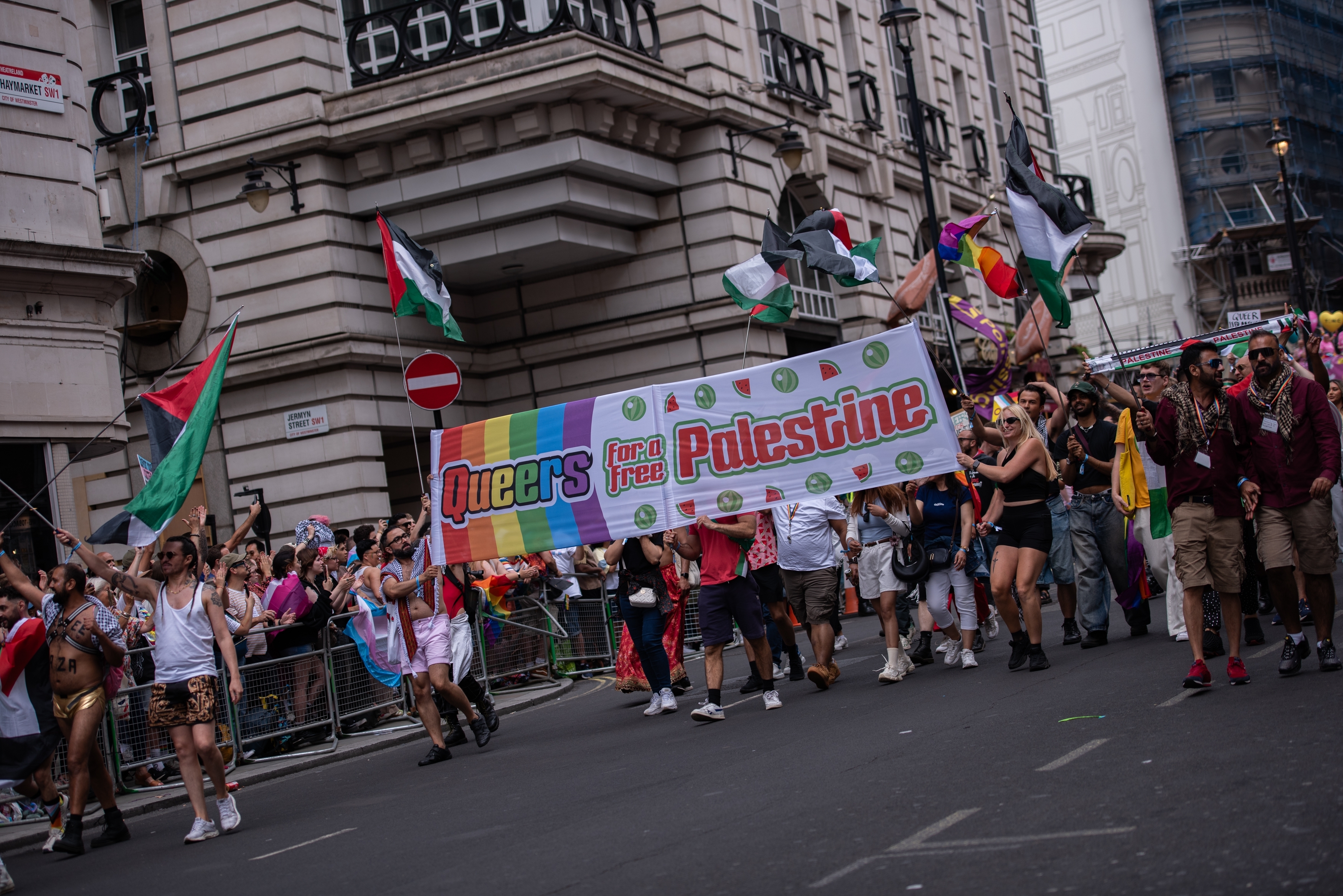
By CATHERINE BAKER | Eurovision has built a unique reputation as a space where queer and gender non-conforming musicians can be symbolically affirmed as representatives of their respective nations in front of an audience of more than 160 million viewers.

A Minor Turn in Europe’s Vision: The Changing Tonal Politics of Eurovision

Posted on By
A Minor Turn in Europe’s Vision: The Changing Tonal Politics of Eurovision
Research

By ELLA JACKSON | Eurovision’s performances have increasingly combined standardized song structures with elaborate visual spectacle. While the contest partly reflects Anglo-American musical trends and global pop aesthetics, it also celebrates local and continental forms of Europeanness.

Contested Songs and Musical Ambassadors: Israel and the Eurovision Song Contest

Posted on By
Contested Songs and Musical Ambassadors: Israel and the Eurovision Song Contest
Research

By ZVI GILBOA | Against the backdrop of recent controversies surrounding Israel’s participation in the Eurovision Song Contest, it is easy to overlook the extent to which Eurovision occupies a central place in Israeli cultural life.

Mamushka and Babushka in the Soviet Century and Beyond

Posted on By
Mamushka and Babushka in the Soviet Century and Beyond
Reviews

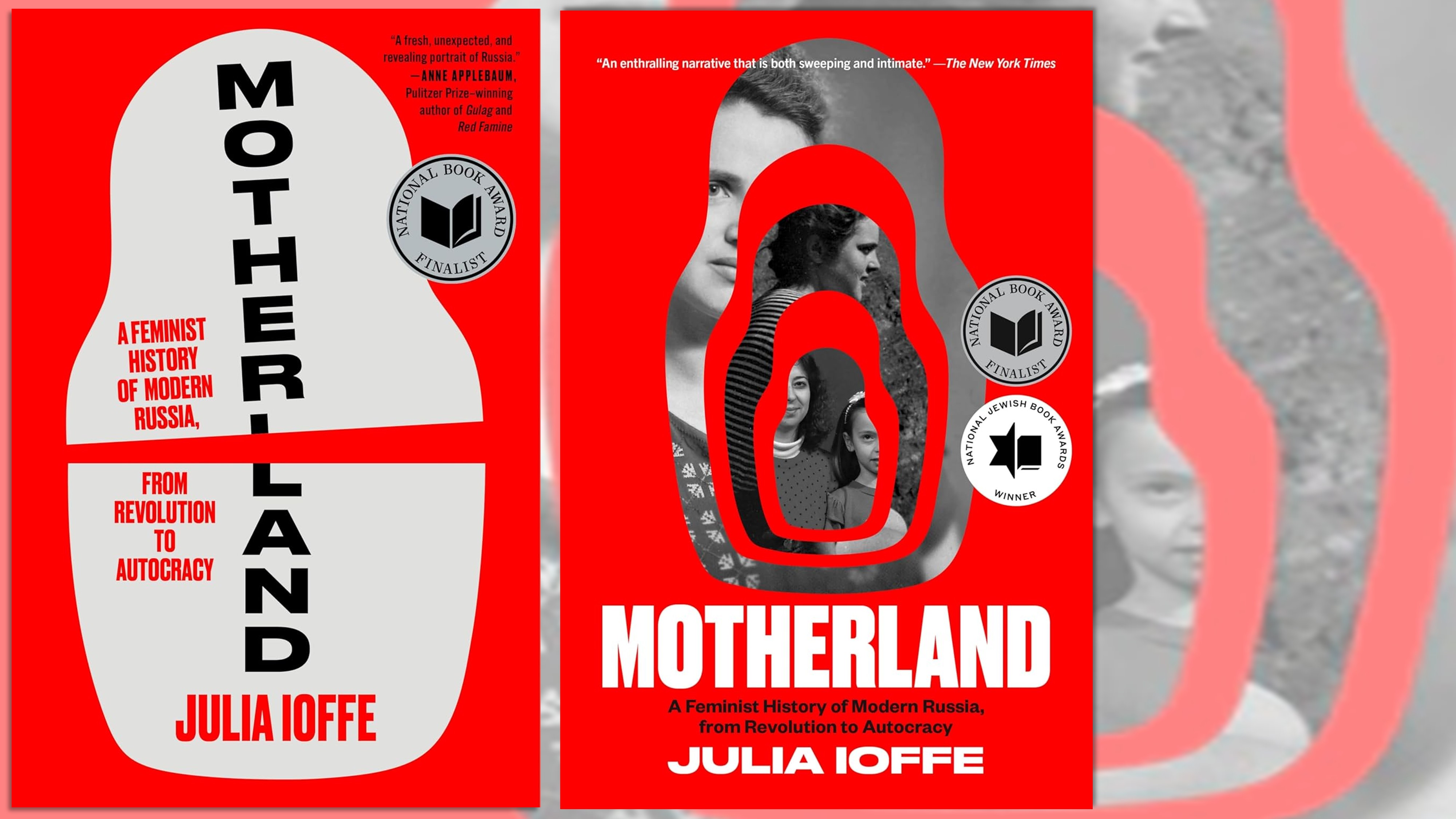
By JOHN PICKLES | In making women’s stories central rather than treating them as add‑ons to the biographies of male leaders, Ioffe produces a rich genealogy of the Soviet and Russian twentieth century in which reproductive politics, everyday survival, and domestic arrangements are placed alongside the changing scope of professional roles women played in Soviet society.

Voting for Türkiye in Eurovision: Personal Reflection and Data

Posted on By
Voting for Türkiye in Eurovision: Personal Reflection and Data
Research

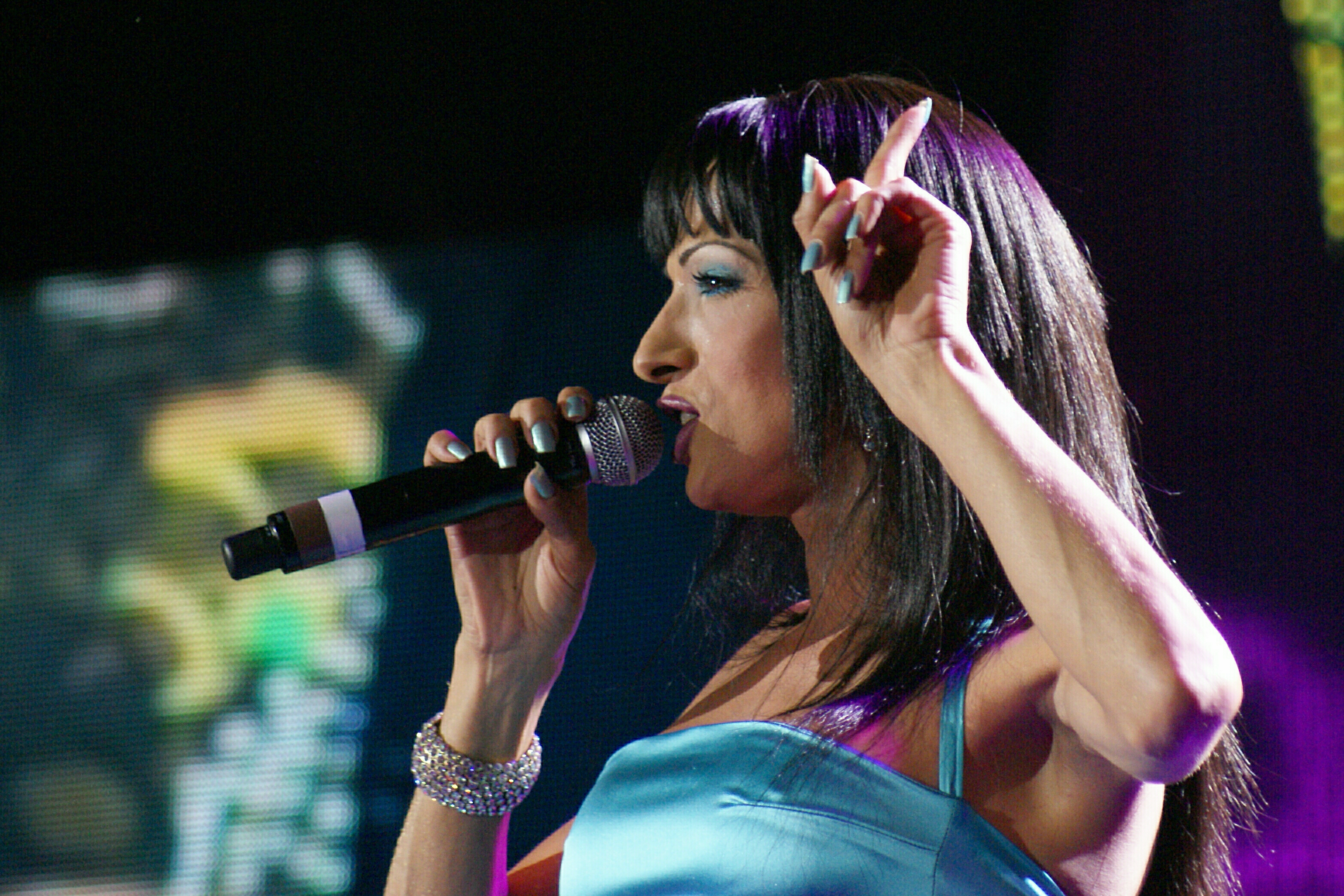
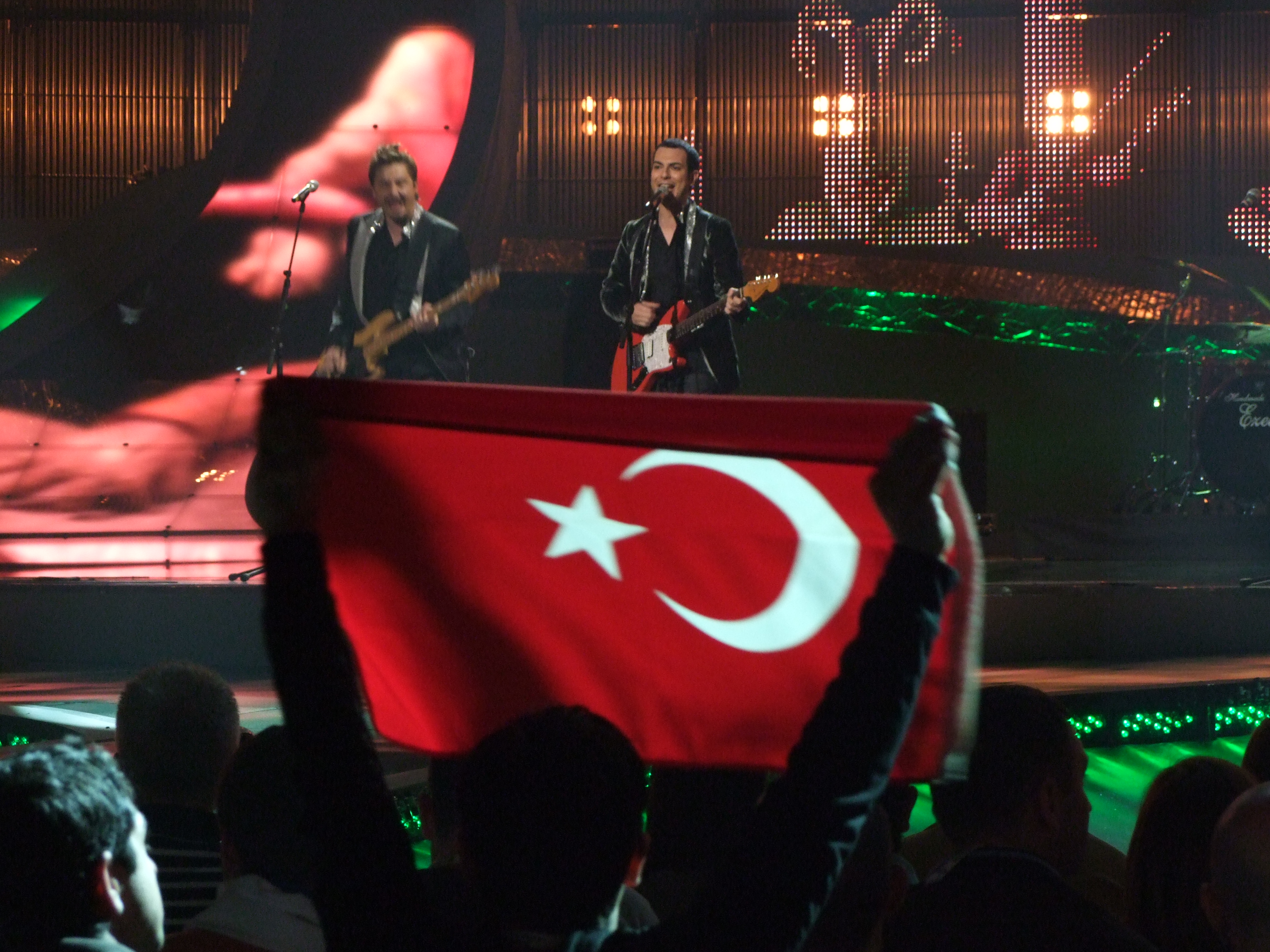
By KEREM COŞAR | With Eurovision voting patterns unfolding according to the gravity relationship principle, an unkind context emerged for the songs Türkiye brought to the competition for most of the first two decades of its participation.

Return by Raharimanana

Posted on By
Return by Raharimanana
Literature in Translation

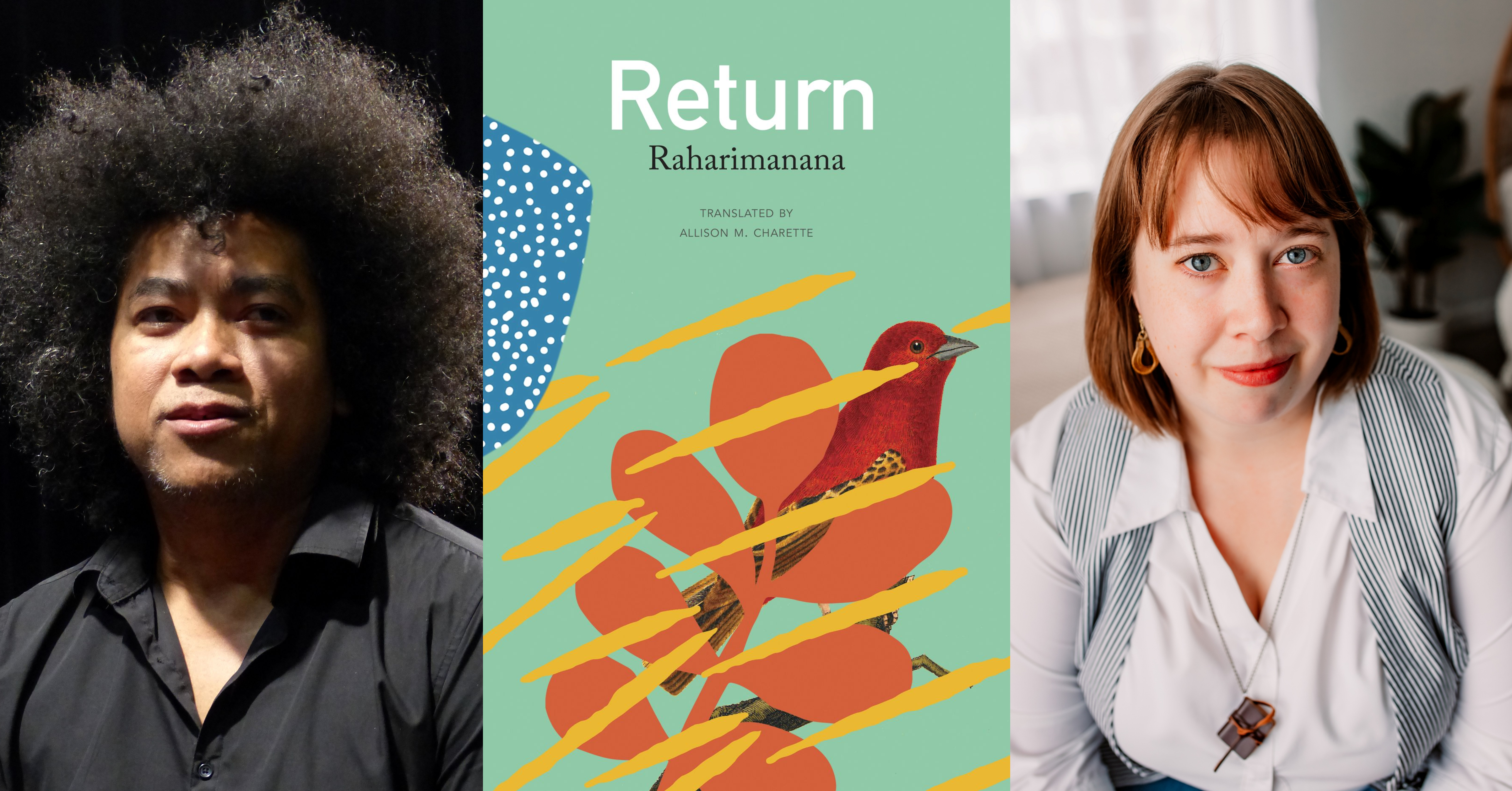
Translated by ALLISON M. CHARETTE | Hira is coming to settle the memory and pain. He is in the room where he was born. In Ambohipo. Antananarivo. In a few hours, he will set off on the journey to return to his father. Out in Mahajanga.
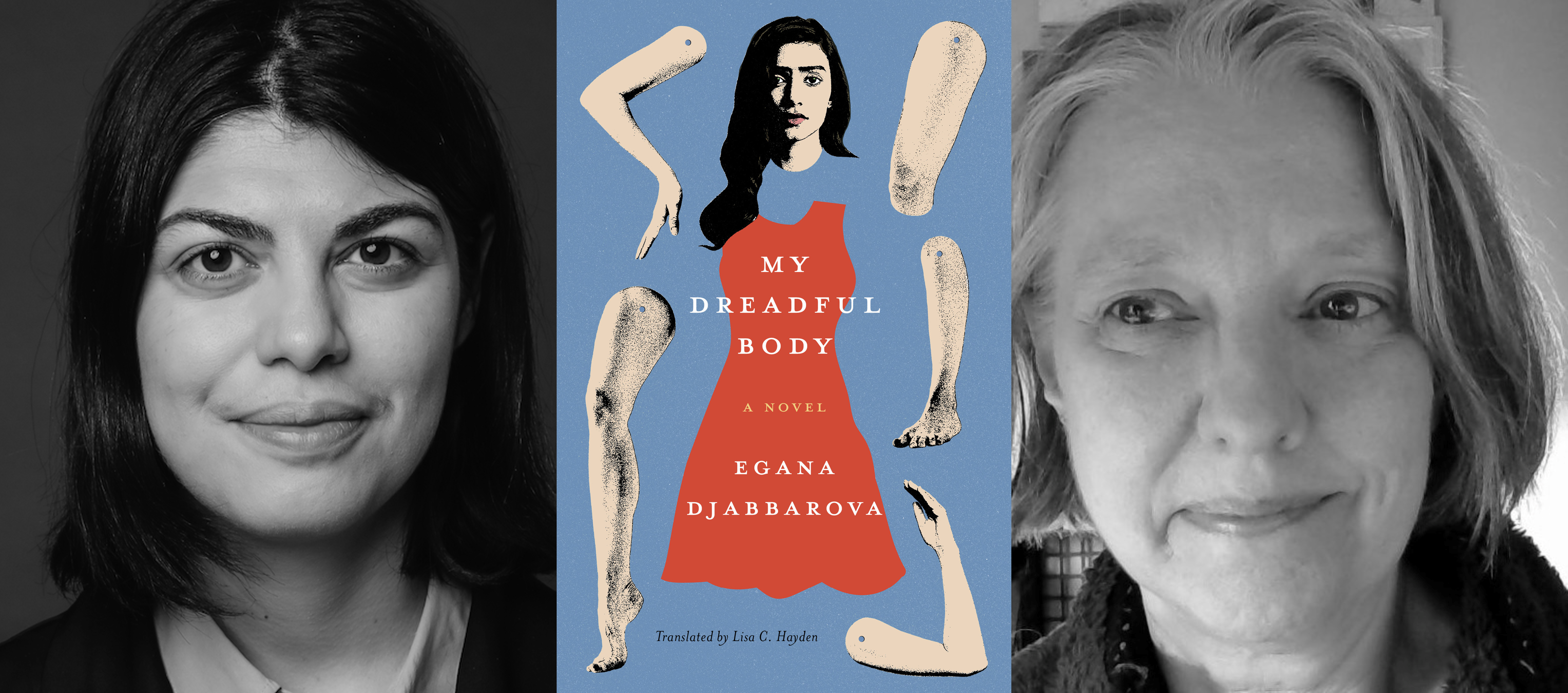
My Dreadful Body by Egana Djabbarova

Posted on By
My Dreadful Body by Egana Djabbarova
Literature in Translation

Translated by LISA C. HAYDEN | Even a little girl from a world where everyone else has brown eyes wanted blue eyes. Blue ones like some of the sultans’ wives or Turkish actresses had, probably after receiving the blueness from mothers, grandmothers, and great-grandmothers.

A Different Vision: The Intervision Song Contest from the Cold War to the War on Ukraine

Posted on By
A Different Vision: The Intervision Song Contest from the Cold War to the War on Ukraine
Research

By KYRILL KUNAKHOVICH | The Intervision Song Contest was to be a showcase for a new and gentler form of rule: what Czechoslovak politicians would soon term “socialism with a human face.” The only reason it has ever existed is that its organizers were excluded from Eurovision.

Layer Drawings by Nobuhiro Nakanishi

Posted on By
Layer Drawings by Nobuhiro Nakanishi
Art

By NOBUHIRO NAKANISHI | I unify elements of time and space into this work of creation and repeat the act of filling up the visible and the invisible simultaneously.

April 2026

Posted on By
April 2026
On Our Bookshelf

This month’s recent book recommendations by GlobalEurope editors EDINA PALEVIQ, HÉLÈNE B. DUCROS, and NICHOLAS OSTRUM: Read about why nations go to war, the rise of a global physical culture, and the necessity for a global political reset.

Energy Humanities for Post-Oil Imaginings: An Interview with Dominic Boyer

Posted on By
Energy Humanities for Post-Oil Imaginings: An Interview with Dominic Boyer
Interviews

By HÉLÈNE B. DUCROS and NICK OSTRUM | Energy humanities have to be more than a good citizen revolt against oil and a steady march towards the sanctuary of electricity. They are a falling forward to the unknown, open to the practitioner, lay person, scholar, and any entrepreneur trying to make something happen in the energy space.

Gen Z and the Symbolic Politics of the Bulgarian Revolt

Posted on By
Gen Z and the Symbolic Politics of the Bulgarian Revolt
Research

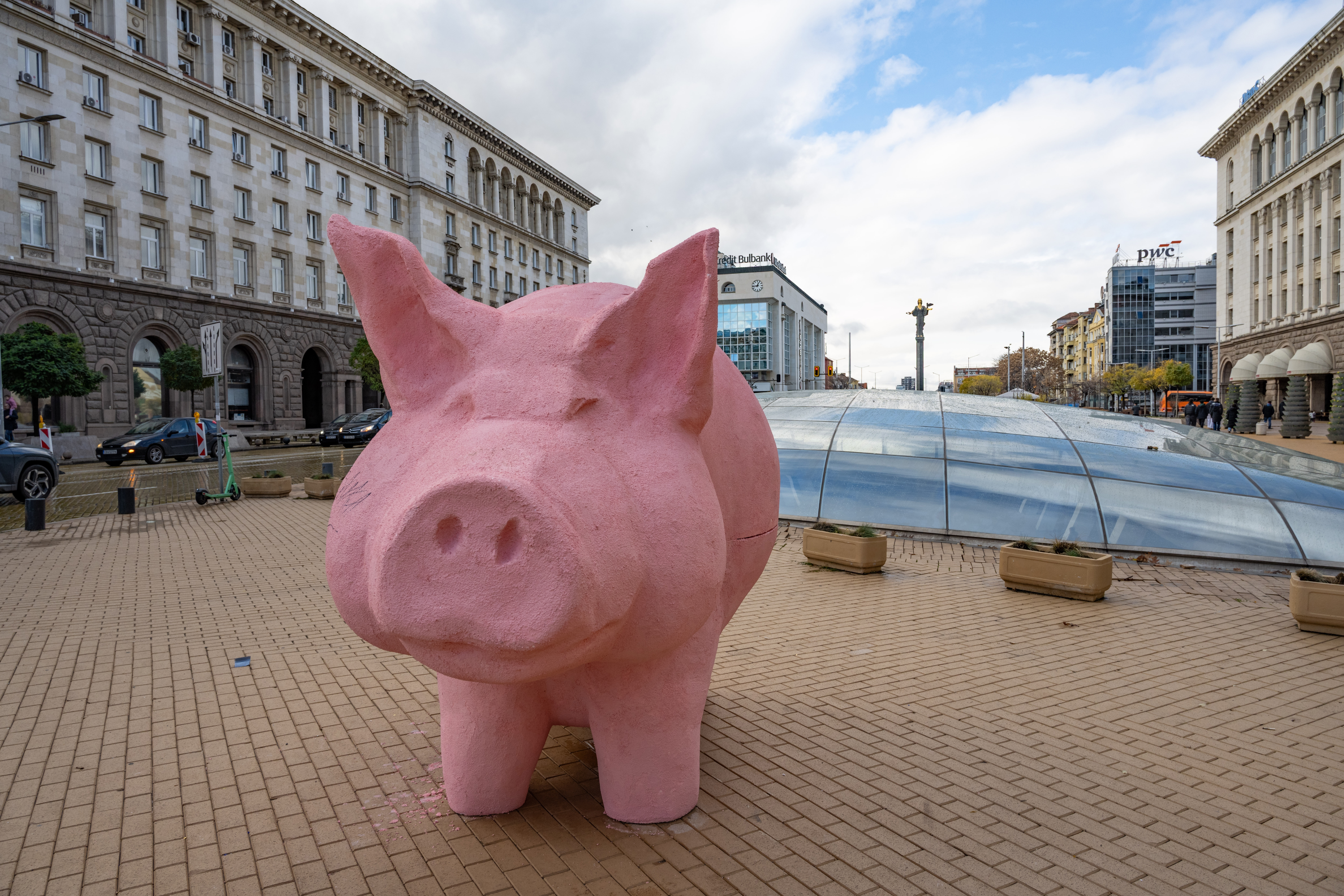
By JOHN PICKLES | At the core of the desire for transformation is a fundamental demographic challenge, revolving around the kind of future young Bulgarians can hope for. The mobilization of social media and symbolic politics shaped the protest movement in ways that other parts of Europe and beyond may well need to pay attention to.

Environmental Activism in a Region at War: Interviews with Greenpeace Natalia Gozak (Ukraine) and Meglena Antonova (Bulgaria)

Posted on By
Environmental Activism in a Region at War: Interviews with Greenpeace Natalia Gozak (Ukraine) and Meglena Antonova (Bulgaria)
Interviews

By ELIZABETH B. JONES | The damage to the Black Sea’s aquatic ecosystem and the Kakhovka Dam breach are the most extreme examples of what many scientific and legal experts now call Russia’s ecocide against Ukraine and, indeed, the entire region.

Unfit by Ariana Harwicz

Posted on By
Unfit by Ariana Harwicz
Literature in Translation

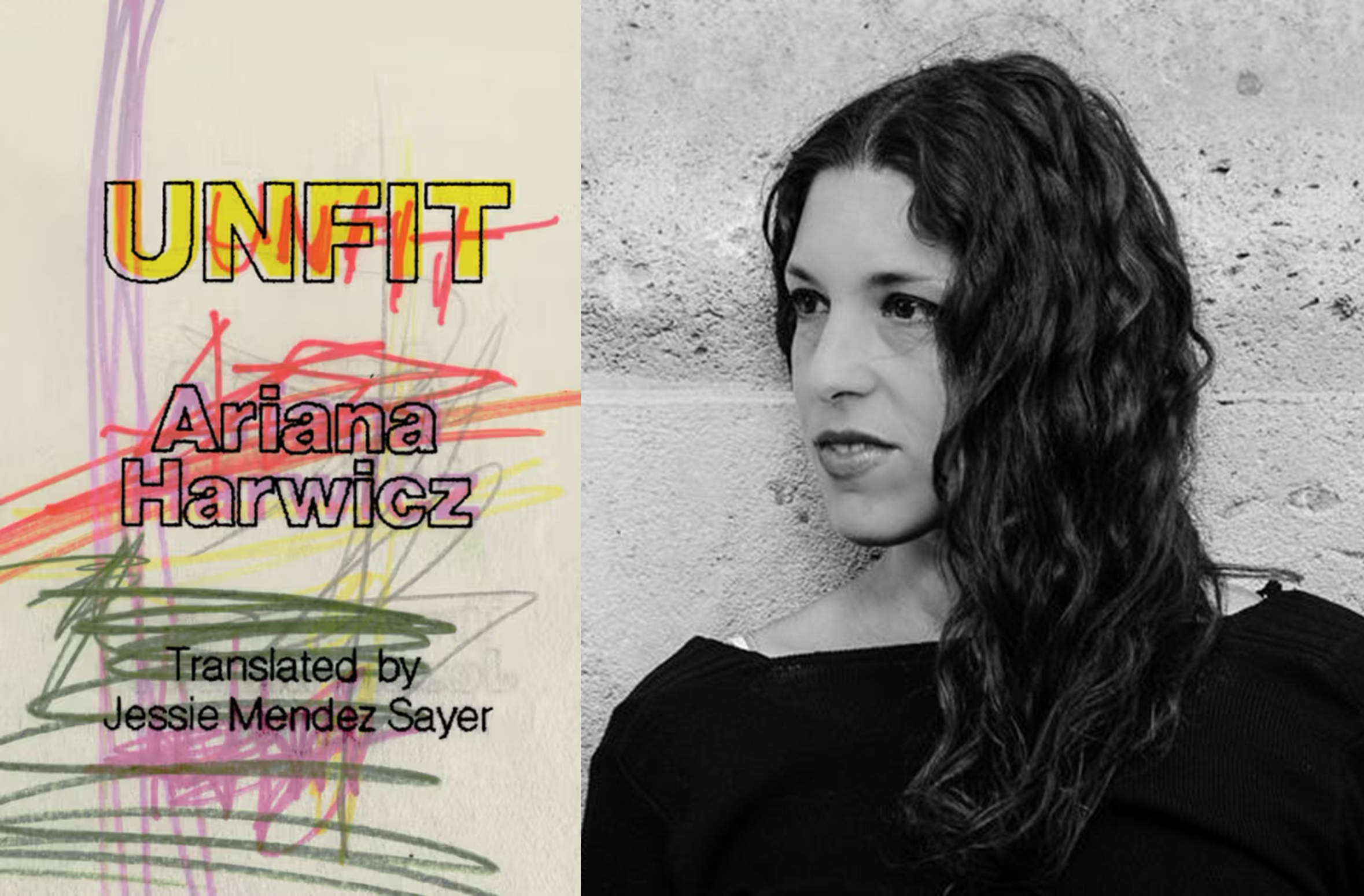
Translated by JESSIE MENDEZ SAYER | Seaside towns are more antisocial, more hesitant to change, there’s less gossip. Nobody can say, not even the local authorities, or the neighbors with their houses they passed down for several generations, what goes on inside the fortresses facing the breakwater.
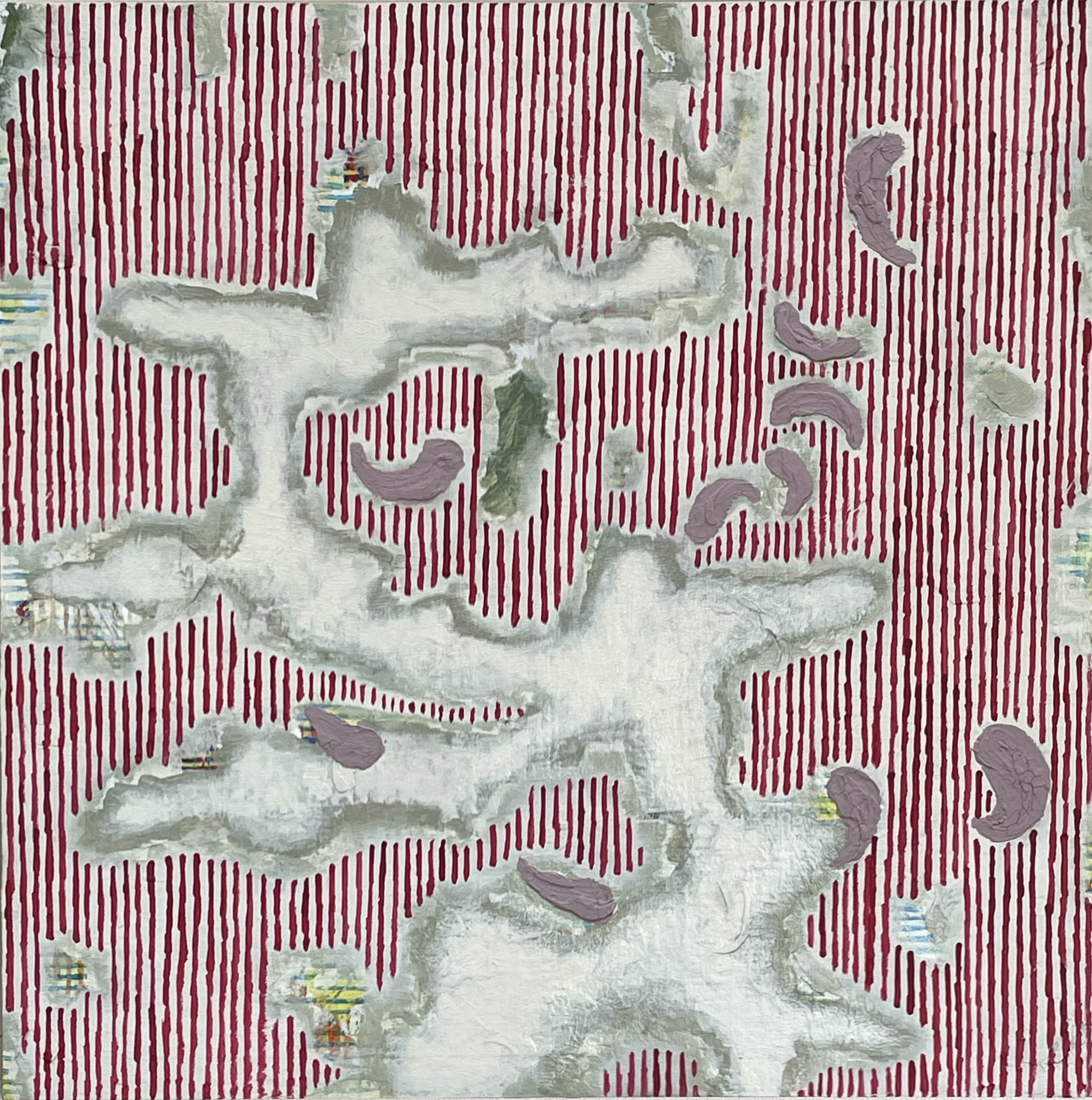
Layer by Layer: A Practice of Transparency, Tactility, and Time

Posted on By
Layer by Layer: A Practice of Transparency, Tactility, and Time
Art

By DOMINIQUE LUTRINGER | Through restrained modulations of color and line, pictorial spaces are constructed where light drifts, shadows hesitate, and the viewer is invited into a quiet, attentive form of looking.
February 2026

Posted on By
February 2026
On Our Bookshelf

This month’s recent book recommendations by GlobalEurope editors HÉLÈNE B. DUCROS, EDINA PALEVIQ, and OKSANA ERMOLAEVA: Read about Indigenous art at the Venice Biennale, media in the disinformation age, and forced labor in the modern world.

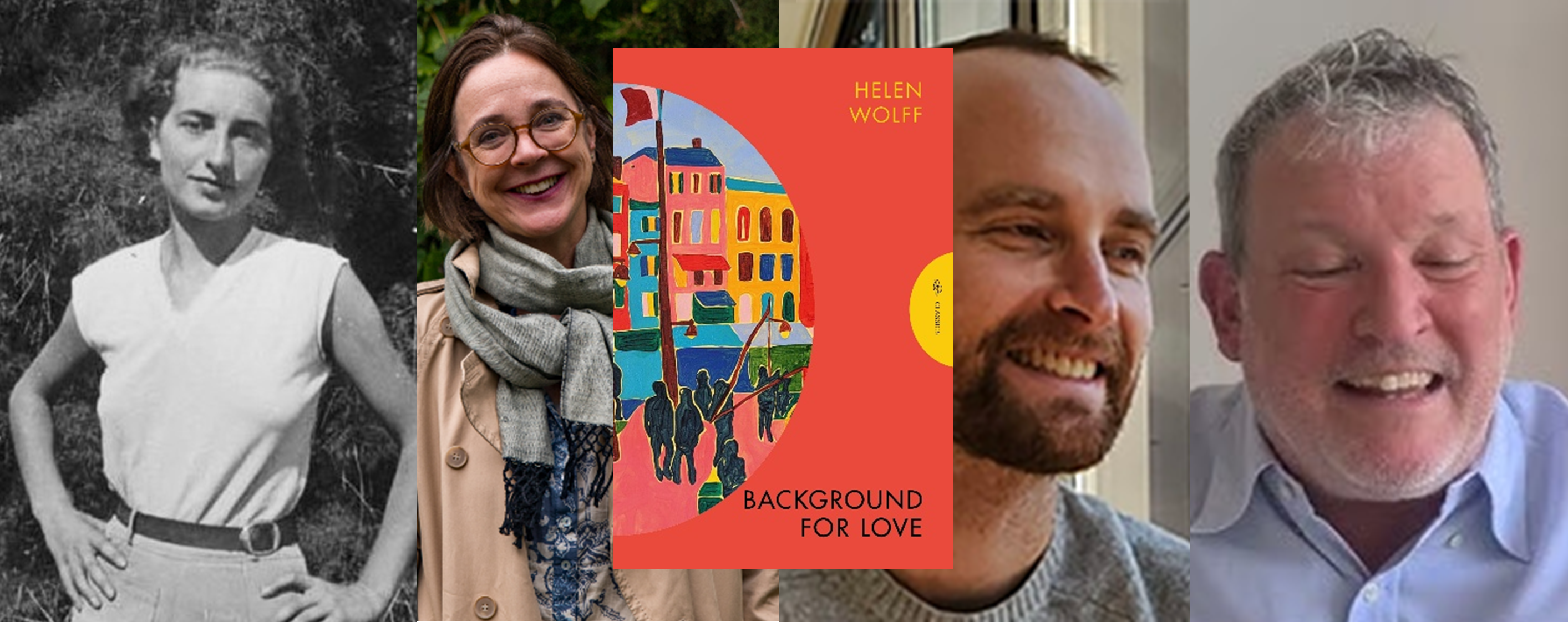
Background for Love by Helen Wolff (and Marion Detjen)

Posted on By
Background for Love by Helen Wolff (and Marion Detjen)
Literature in Translation

Translated by TRISTRAM WOLFF and JEFFERSON CHASE | He pulls me along at his pace, and whistling and skipping we arrive in Saint-Tropez, where the harbor is full of sails flapping like flags; we end up at a little restaurant with gaily checked curtains, tablecloths and plates.

Europe Under the Gun: Democracy and the Return of Power Politics

Posted on By
Europe Under the Gun: Democracy and the Return of Power Politics
Research

By JULIA KHREBTAN-HÖRHAGER | The present moment reveals how fragile Europe’s post-historical confidence proved to be. Questions of sovereignty, territorial revisionism, democratic resilience, and state violence have re-entered political life.

European Union Migration Policy in Times of Geopolitical Upheaval

Posted on By
European Union Migration Policy in Times of Geopolitical Upheaval
Research

By SARAH WOLFF | Is the EU moving towards a model of migration governance increasingly shaped by deterrence, externalization, and geopolitical bargaining rather than fundamental rights protection?

Rastko Petrović’s “Revelation”: A Translator’s Note

Posted on By
Rastko Petrović’s “Revelation”: A Translator’s Note
Research

By SUZANA VULJEVIC | On first read, the irreverence and iconoclasm of Petrović’s lyricism appealed to me. While the high register, antiquated language, and occasional play on words found in the original threw me, Petrović the man was familiar and recognizable to me as a figure who fit squarely within Robert Wohl’s delineation of the generation of 1914.

War and Peace in Early Canada

Posted on By
War and Peace in Early Canada
Research

By VICTOR TAKI | The history of the late seventeenth- and early eighteenth-century conflicts in and around Canada demonstrates certain deviations from the Western European military pattern emerging at the time.Small war, as practiced by the French and their Indigenous allies against English colonies in the 1690s, was strongly criticized by contemporary English military historians and later on by American and Anglo-Canadian historians.

China, the EU, and the Current Phase of Deglobalization: An Interview with Pompeo Della Posta

Posted on By
China, the EU, and the Current Phase of Deglobalization: An Interview with Pompeo Della Posta
Interviews

By KUNLING ZHANG | Slowbalization is the result of a deliberate political choice by right-wing populist governments. Economic and geoeconomic factors have certainly played a role too.

Defining the “European Defence Technological Industrial Base”: The Emergence of a Transnational Field under Dependencies

Posted on By
Defining the “European Defence Technological Industrial Base”: The Emergence of a Transnational Field under Dependencies
Research

By SAMUEL B. H. FAURE | Arms production in Europe is mainly carried out by private companies, due to the liberalization of all national armament policies there.

Russia as the Katechon: Seeking Alternatives to the Concept of Russian Fascism

Posted on By
Russia as the Katechon: Seeking Alternatives to the Concept of Russian Fascism
Research

By GRIGORI KHISLAVSKI | In the run-up to and aftermath of the annexation of Crimea, Putin’s rhetoric started featuring theological imagery that ultimately found its way into the constitution via amendments.

The Wider Impact of Russia’s Full-Scale Invasion of Ukraine: Insights from Georgia’s Contested Borderland with Abkhazia

Posted on By
The Wider Impact of Russia’s Full-Scale Invasion of Ukraine: Insights from Georgia’s Contested Borderland with Abkhazia
Research

By GAËLLE LE PAVIC | Contested borders constitute a particularly pronounced phenomenon in Eastern Europe and the South Caucasus, where unresolved conflicts and wars after the collapse of the Soviet Union have generated enduring disputes over sovereignty and statehood.

CAMARGU’Air

Posted on By
CAMARGU’Air
Art

By MAGALI CHESNEL | Camargue’s salt marshes and ponds have become oases for the greater flamingo. This series is a minimalist immersion into the intimacy of this emblematic bird, which feeds there and flies above landscapes of fragile beauty.

GlobalEurope’s 2025 Literary Translation Picks

Posted on By
GlobalEurope’s 2025 Literary Translation Picks
Literature in Translation

GlobalEurope looks back and picks its favorite literary translations published in 2025.

Tamangur by Leta Semadeni

Posted on By
Tamangur by Leta Semadeni
Literature in Translation

Translated by TESS LEWIS | Horsetails swayed on the bank, stretching their heads toward the water and behind them, barberries glowed on the hedge through the dark tree trunks.

Cultivating Sustainable Futures: The Living Classroom Model at Airfield Estate

Posted on By
Cultivating Sustainable Futures: The Living Classroom Model at Airfield Estate
Teach&Learn

By PAUL O’KEEFFE and CLAIRE MacEVILLY | Education is increasingly being called upon to foster ecological literacy, social cohesion, and community resilience.

The Global Echo of the Chinese Path to Modernization: An Interview with Kunling Zhang

Posted on By
The Global Echo of the Chinese Path to Modernization: An Interview with Kunling Zhang
Interviews

By POMPEO DELLA POSTA | The EU is uniquely situated to play a moderating role in the confrontation between the US and China, given its geopolitical influence, economic power, and commitment to multilateralism.

Beyond Ria Verhaeghe’s Provisoria: The Private Photo Archive as Source and Book

Posted on By
Beyond Ria Verhaeghe’s Provisoria: The Private Photo Archive as Source and Book
Research

By DAVID BERRIDGE | The books discussed here chart a shift from the individual photograph to a reckoning with the “cacophonous energy” of our historical and contemporary image worlds.

Posts pagination

1 2 Next

Sponsor's news:

The World Society Foundation's latest publication.

Explore the latest issue. It features a special focus on the 2026 election in Hungary.
A conference announcement from our sponsor the World Society Foundation. Click for more information on the event.
Roundtable: The Unmaking of Illiberal Power in Hungary
Magyar 2
Hungary
Review Weimar
Budapest,,Hungary,-,06.06.2026,-,Hungarian,And,Eu,Flags,Parliament
Chaos_Computer_Club
IMG_8489bis
Parish
SERGE
student farm
Bookshelf
1847_map_-_Ethnographische_Karte_des_Osmanischen_Reichs_europäischen_Theils_und_von_Griechenland,
  • X
  • Instagram
  • Linkedin

Copyright © 2025-2026 GlobalEurope Journal. All rights reserved. ISSN: 3070-3352.

Theme: Oceanly by ScriptsTown