Skip to content
GlobalEurope

GlobalEurope

A journal placing Europe in the world

  • Home
  • About
    • About
    • Editorial Team
    • Publish in GlobalEurope
    • Join the E-List
    • Sponsors
      • Sponsor’s Page: WSF
  • Issues
    • All
    • ISSUE 6 | August 2026
      • Issue 6 | Contributors
    • ISSUE 5 | June 2026
      • Issue 5 | Contributors
      • Roundtable: Elections in Hungary
    • ISSUE 4 | April 2026
      • Issue 4 | Contributors
      • Special Topic: Eurovision
    • ISSUE 3 | February 2026
      • Issue 3 | Contributors
    • ISSUE 2 | December 2025
      • Issue 2 | Contributors
    • ISSUE 1 | October 2025
      • Issue 1 | Contributors
  • Research
    • Research in Focus
  • Interviews
  • Art
  • Teach & Learn
  • Reviews
  • Lit in Translation
  • On Our Bookshelf

Category: Interviews

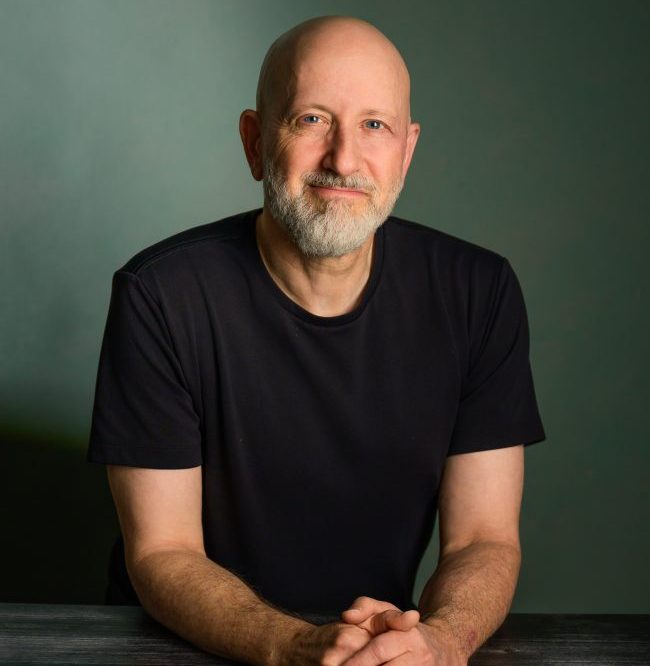
Audacity, Humility, and Rooted Globalism for Higher Education Innovation: An Interview with Noah Pickus

Posted on By
Audacity, Humility, and Rooted Globalism for Higher Education Innovation: An Interview with Noah Pickus
Interviews

By HÉLÈNE B. DUCROS | Higher education benefits when institutions learn from each other. Innovation is not always about inventing something entirely new. Sometimes it is about recovering valuable practices that institutions have forgotten. One of our central convictions is that innovation and renewal need each other.
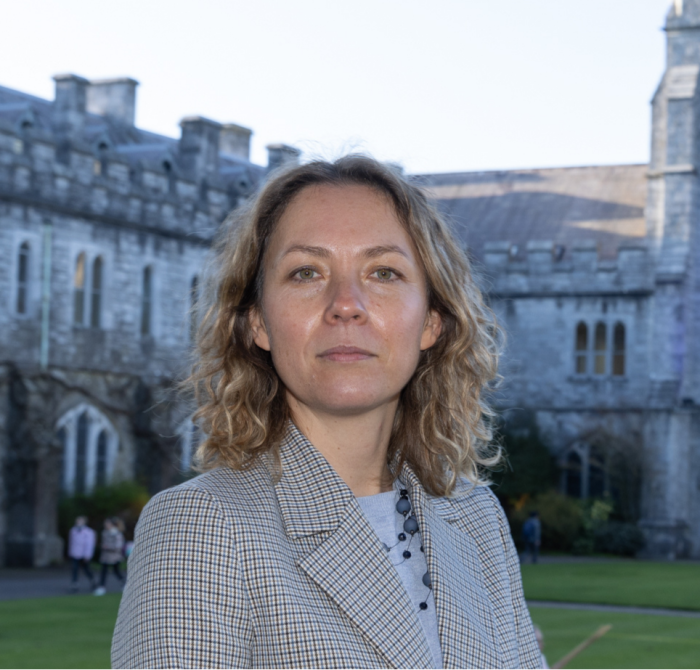

Computational Humanities as New Ways of Seeing, Reading, and Questioning History: An Interview with Tatiana Vagramenko

Posted on By
Computational Humanities as New Ways of Seeing, Reading, and Questioning History: An Interview with Tatiana Vagramenko
Interviews

By OKSANA ERMOLAEVA | Computational humanities begins from a provocative premise: culture, art, history, and human experience can be rendered as data, not to reduce their complexity but to uncover patterns, connections, and structures that conventional reading alone may never bring into view.

Citizens’ Assemblies and the Work of Democracy: An Interview with the Vorarlberg Office of Administrative Innovation and Organizational Development

Posted on By
Citizens’ Assemblies and the Work of Democracy: An Interview with the Vorarlberg Office of Administrative Innovation and Organizational Development
Interviews

By Elizabeth B. Jones | Enshrined in the province’s constitution in 2013, the Vorarlberg (Austria) model of citizens’ assemblies, or Bürgerräte, offers more than two decades’ worth of experience with trust-building between local governments, the state parliament, and its approximately 275,000 voters.

Learning from Denmark’s International People’s College: An Interview with Nelima Nassen

Posted on By
Learning from Denmark’s International People’s College: An Interview with Nelima Nassen
Interviews, Teach&Learn

By ELIZABETH B. JONES | Denmark is home to longstanding models of community-building in the form of folk high schools, or Højskolerne. These are non-formal residential schools for students between 16 and 24 where the emphasis is on learning without exams, mandatory classes, and formal grades.

Language, Integration, and Everyday Life: An Interview with Christine Penz

Posted on By
Language, Integration, and Everyday Life: An Interview with Christine Penz
Interviews, Teach&Learn

By EDINA PALEVIQ | In Austria, debates surrounding asylum, language acquisition, labor market participation, citizenship, and social cohesion frequently intersect with questions of integration. Language can create opportunities for participation, education, and employment, but it can also function as a requirement connected to important life choices.

Medical Aid, War, and Ukraine’s Changing Medical Culture: An Interview with Dr. Taras Mahlay

Posted on By
Medical Aid, War, and Ukraine’s Changing Medical Culture: An Interview with Dr. Taras Mahlay
Interviews

By NICHOLAS OSTRUM | Dr. Taras Mahlay discusses the origins and changing roles of the Cleveland Maidan Association, the ways in which Ukrainians have innovated in medicine since the war started, the transformation of Ukraine’s medical culture, intercommunal solidarity, and the future of Cleveland Maidan after the war ends.

Eurovision in the History of Postwar Europe: An Interview with Dean Vuletic

Posted on By
Eurovision in the History of Postwar Europe: An Interview with Dean Vuletic
Interviews

By MANUELA ACHILLES | It is historically misleading to describe Eurovision as a peace project born directly from the ruins of WWII. It was established as a technical rather than a political initiative. Today, it is the largest cultural event bringing Europeans together on a single occasion to consume the same product. It is Europe’s biggest election.

Energy Humanities for Post-Oil Imaginings: An Interview with Dominic Boyer

Posted on By
Energy Humanities for Post-Oil Imaginings: An Interview with Dominic Boyer
Interviews

By HÉLÈNE B. DUCROS and NICK OSTRUM | Energy humanities have to be more than a good citizen revolt against oil and a steady march towards the sanctuary of electricity. They are a falling forward to the unknown, open to the practitioner, lay person, scholar, and any entrepreneur trying to make something happen in the energy space.

Environmental Activism in a Region at War: Interviews with Greenpeace Natalia Gozak (Ukraine) and Meglena Antonova (Bulgaria)

Posted on By
Environmental Activism in a Region at War: Interviews with Greenpeace Natalia Gozak (Ukraine) and Meglena Antonova (Bulgaria)
Interviews

By ELIZABETH B. JONES | The damage to the Black Sea’s aquatic ecosystem and the Kakhovka Dam breach are the most extreme examples of what many scientific and legal experts now call Russia’s ecocide against Ukraine and, indeed, the entire region.

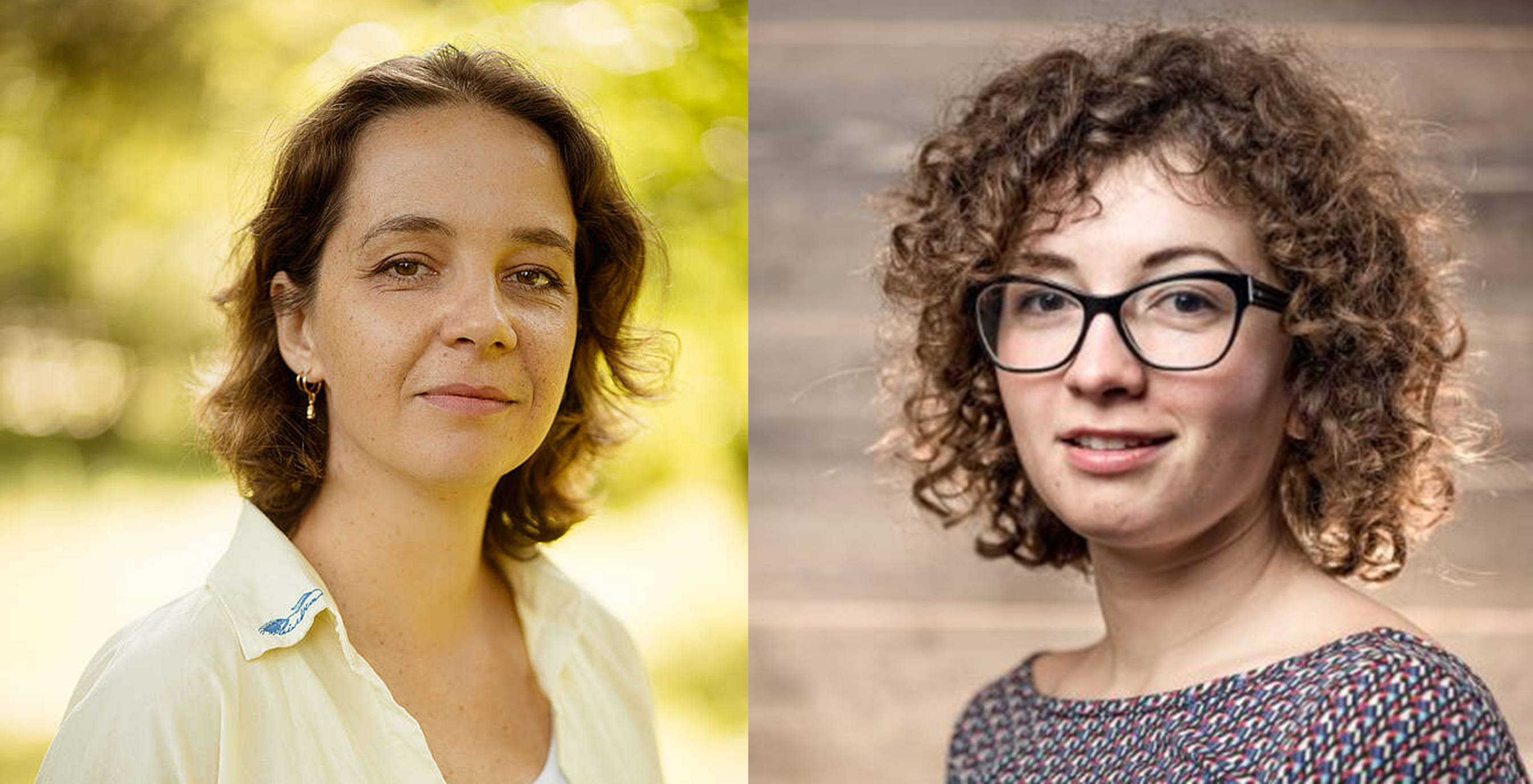
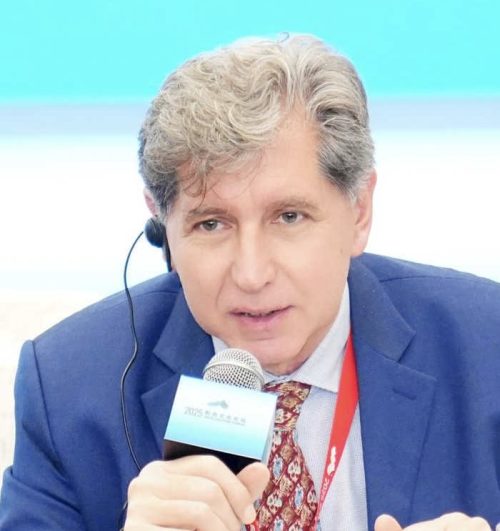
China, the EU, and the Current Phase of Deglobalization: An Interview with Pompeo Della Posta

Posted on By
China, the EU, and the Current Phase of Deglobalization: An Interview with Pompeo Della Posta
Interviews

By KUNLING ZHANG | Slowbalization is the result of a deliberate political choice by right-wing populist governments. Economic and geoeconomic factors have certainly played a role too.

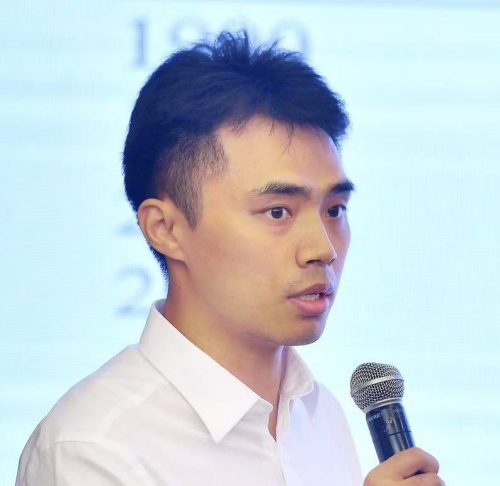
The Global Echo of the Chinese Path to Modernization: An Interview with Kunling Zhang

Posted on By
The Global Echo of the Chinese Path to Modernization: An Interview with Kunling Zhang
Interviews

By POMPEO DELLA POSTA | The EU is uniquely situated to play a moderating role in the confrontation between the US and China, given its geopolitical influence, economic power, and commitment to multilateralism.

Preparing Ukraine’s Future through Waste Management: An Interview with Sofia Sydorenko

Posted on By
Preparing Ukraine’s Future through Waste Management: An Interview with Sofia Sydorenko
Interviews

By HÉLÈNE B. DUCROS | The Russian invasion was made possible because of our very system of production and resource use.

Sponsor's news:

The World Society Foundation's latest publication.

Explore the latest issue: It features our summer interviews, where we bridge research and practice.
A conference announcement from our sponsor the World Society Foundation. Click for more information on the event.
Call for papers! Contribute to our upcoming issues.
Interview2
Nelina
Biology
Noah Pickus
Fossil
Interview1
Duels
Blur
Baltic
French
books
Maidan
Woodwind
Citizen's assemblies
  • X
  • Instagram
  • Linkedin

Copyright © 2025-2026 GlobalEurope Journal. All rights reserved. ISSN: 3070-3352.

Theme: Oceanly by ScriptsTown