




Audacity, Humility, and Rooted Globalism for Higher Education Innovation: An Interview with Noah Pickus
By HÉLÈNE B. DUCROS | Higher education benefits when institutions learn from each other. Innovation is not always about inventing something entirely new. Sometimes it is about recovering valuable practices that institutions have forgotten. One of our central convictions is that innovation and renewal need each other.

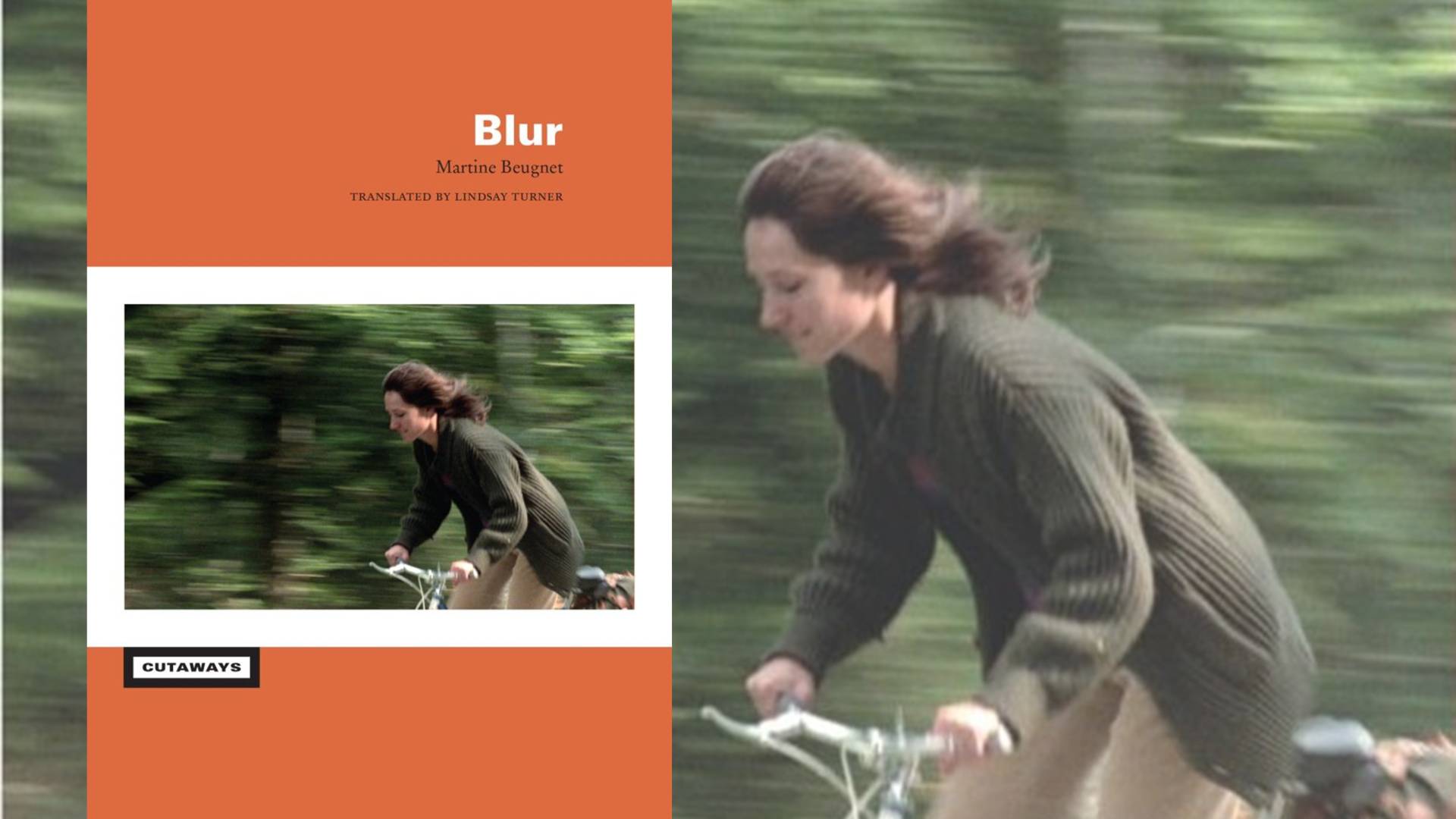
Home Truths
By PAUL WARDE | Saelens argues that the “revolution” associated with higher expectations of comfort and increased use cannot have been driven by the properties of the fuels themselves but a cultural shift: the rise of a “bourgeois domestic culture.”

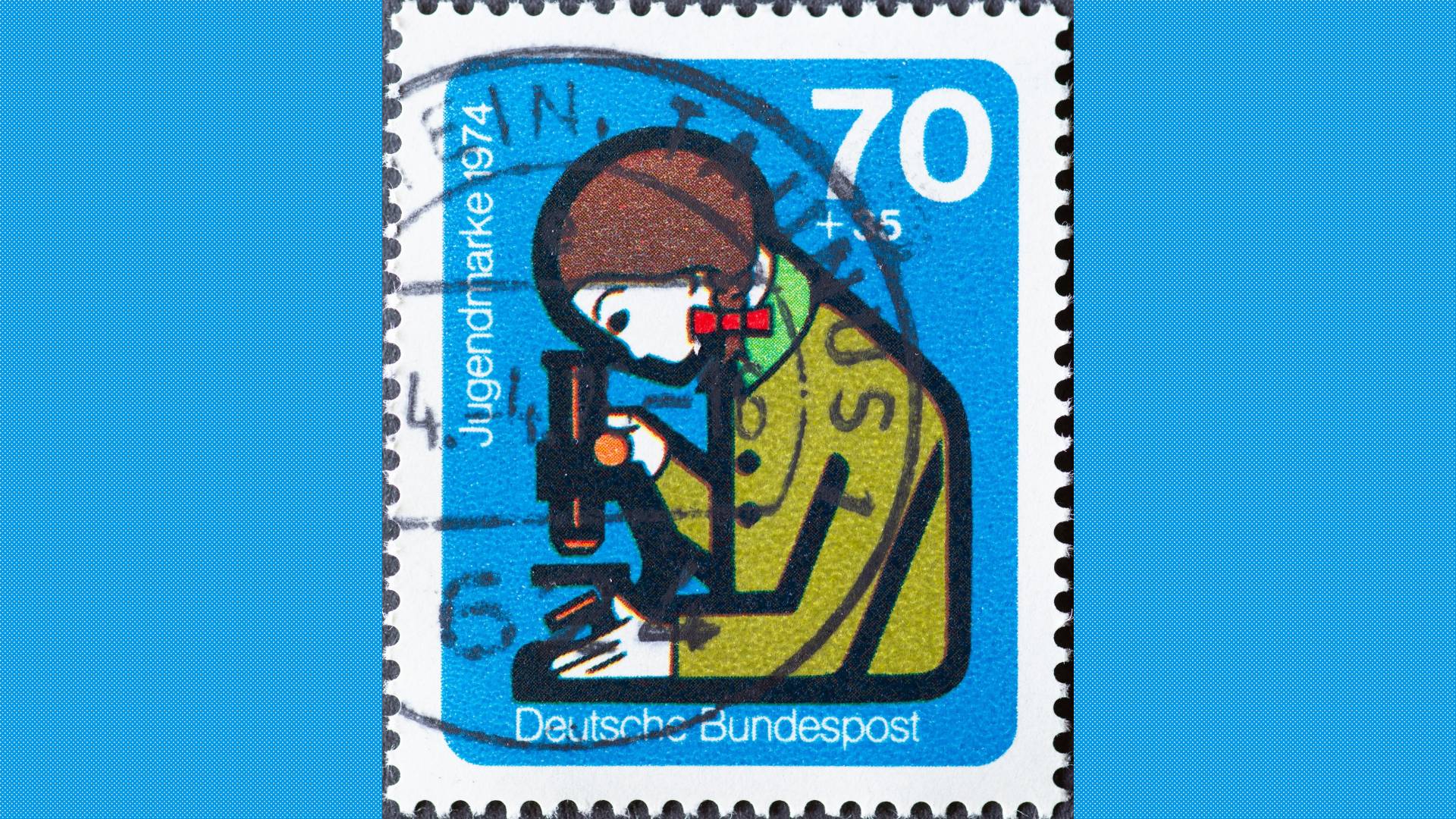
From Theory to Experience: Practical Biology Teaching in a Resource-Constrained School in Montenegro
By EMSALE JAHIU-PALI | Scientific literacy has become one of the defining educational challenges of the twenty-first century. Contemporary societies need citizens who understand scientific evidence and engage thoughtfully with complex environmental and social questions such as public health, biodiversity, food security, and climate change.

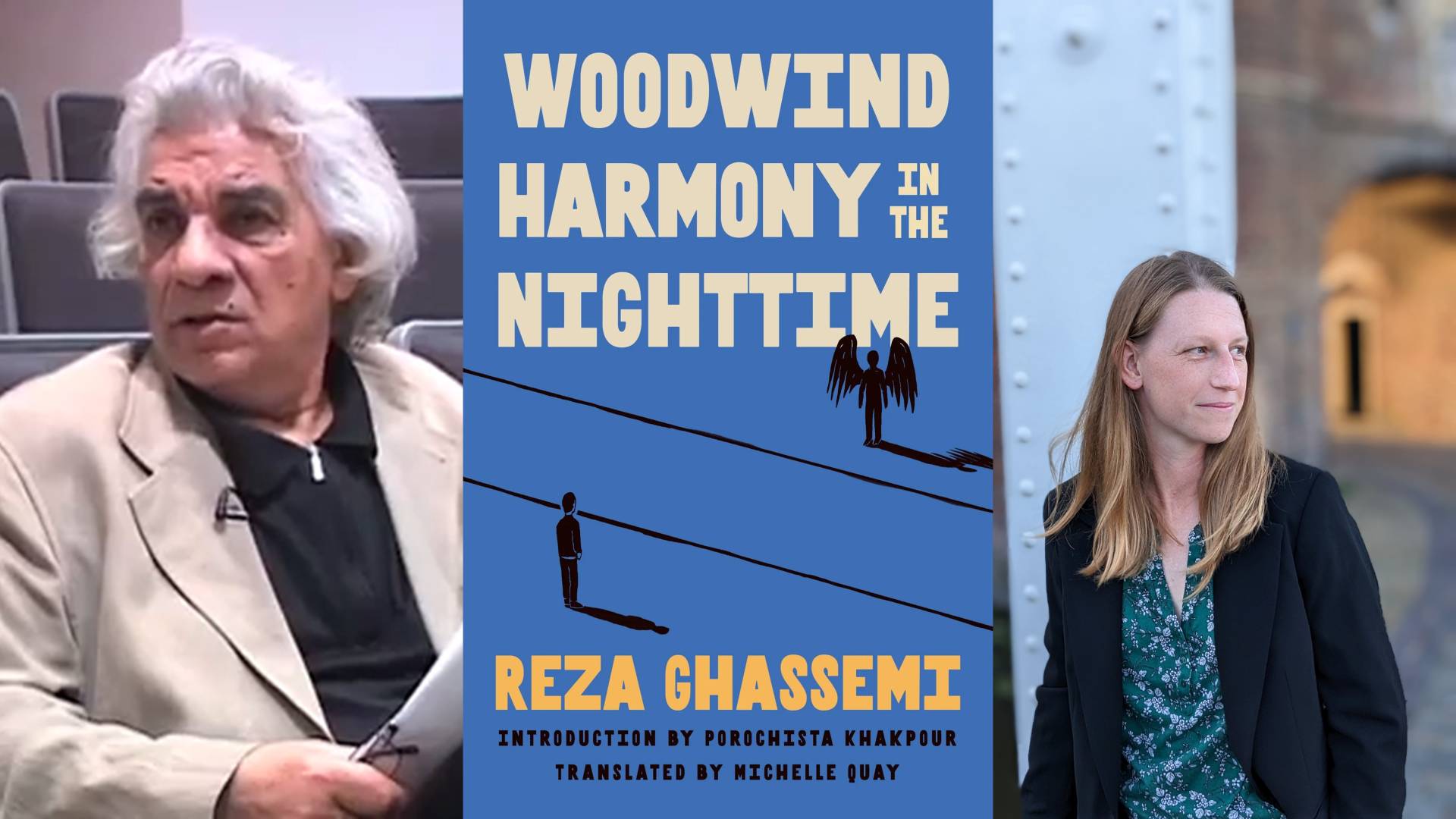
Duels by Néhémy Dahomey
Translated by NATHAN H. DIZE | It was the thirty-eighth year of independence, or 1842 for the rest of the world. Sixteen years ago, the government in Port-au-Prince, then Port-Républicain, the titular capital of the Island of Haiti, Kiskeya or Boyo, from north to south, from east to west, had agreed to a financial debt to the country of France.

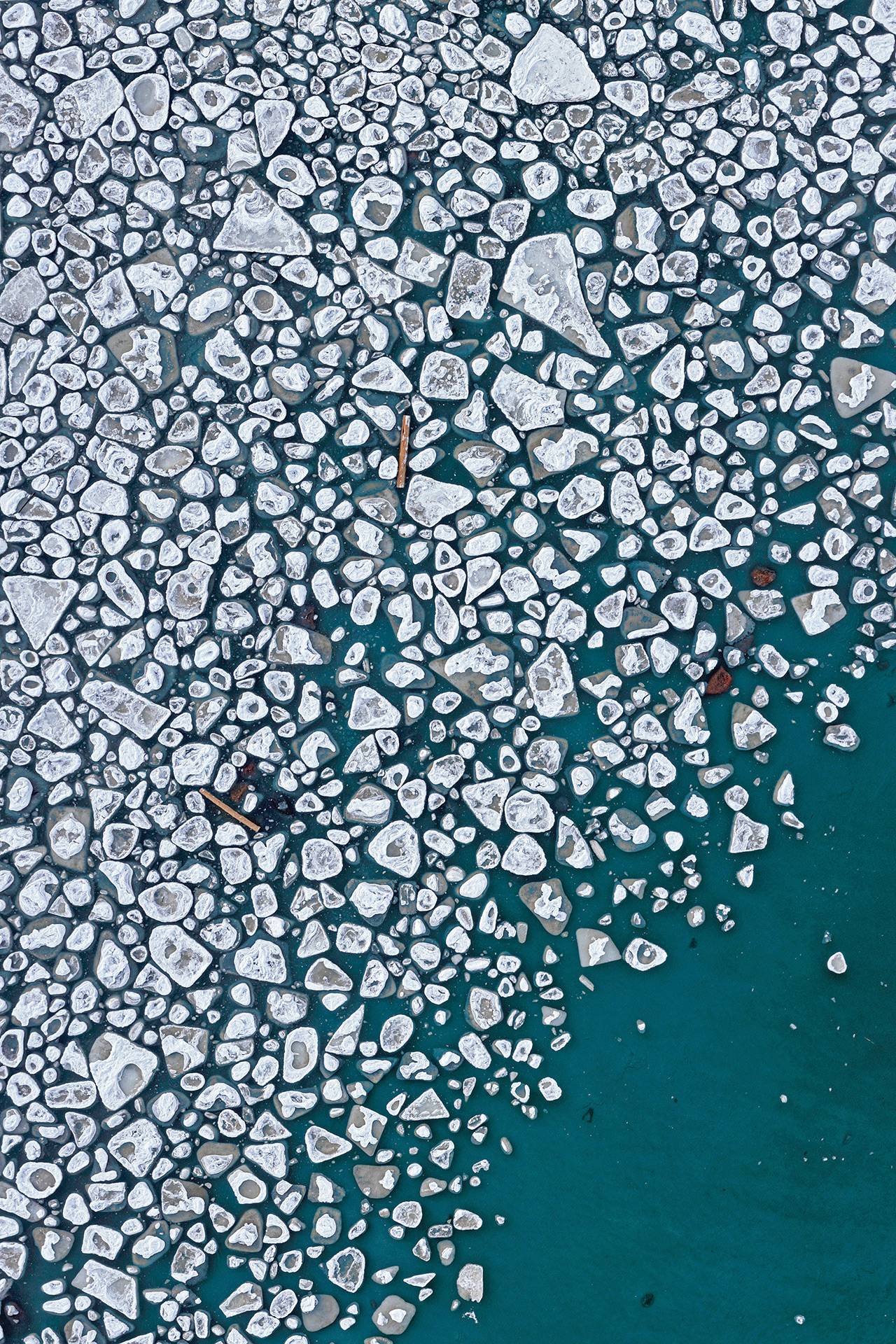
Baltic Ice
By BERNHARD LANG | Lang captures images that show the impact of human activity on the natural environment. He is interested in the duality and balance between beauty and destruction.

August 2026
This month’s recent book recommendations by GlobalEurope editors NICK OSTRUM, HÉLÈNE B. DUCROS, OKSANA ERMOLAEVA, and EDINA PALEVIQ. Read about the roots of a modern conception of energy economy, the literary forms nuclear disasters have taken, the origins of the twentieth century’s greatest dramas through the lens of modernity, and how religion became one of the main lens through which world politics is understood.