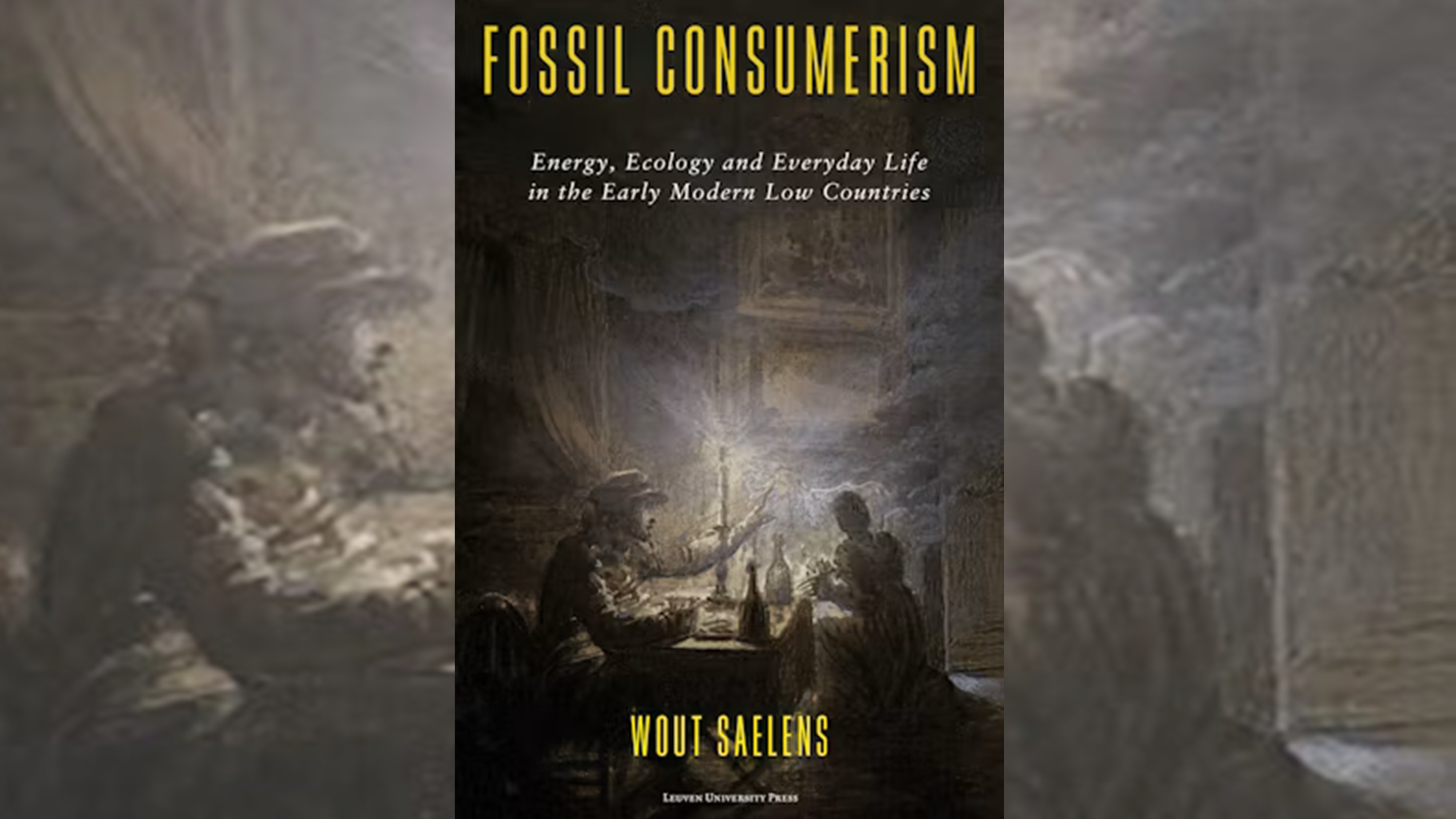
By PAUL WARDE | Saelens argues that the “revolution” associated with higher expectations of comfort and increased use cannot have been driven by the properties of the fuels themselves but a cultural shift: the rise of a “bourgeois domestic culture.”

Category: Reviews
“An unreviewed book is a struck bell that gives no resonance.” –Patricia Hampl
By JIARUI ZHOU | In contemporary visual culture, clarity has become a measure of technological progress, and blur occupies an unstable threshold where visibility becomes uncertain, form loses its stability, and recognition is delayed. Has blur been too readily dismissed as technical failure or incomplete visual information?
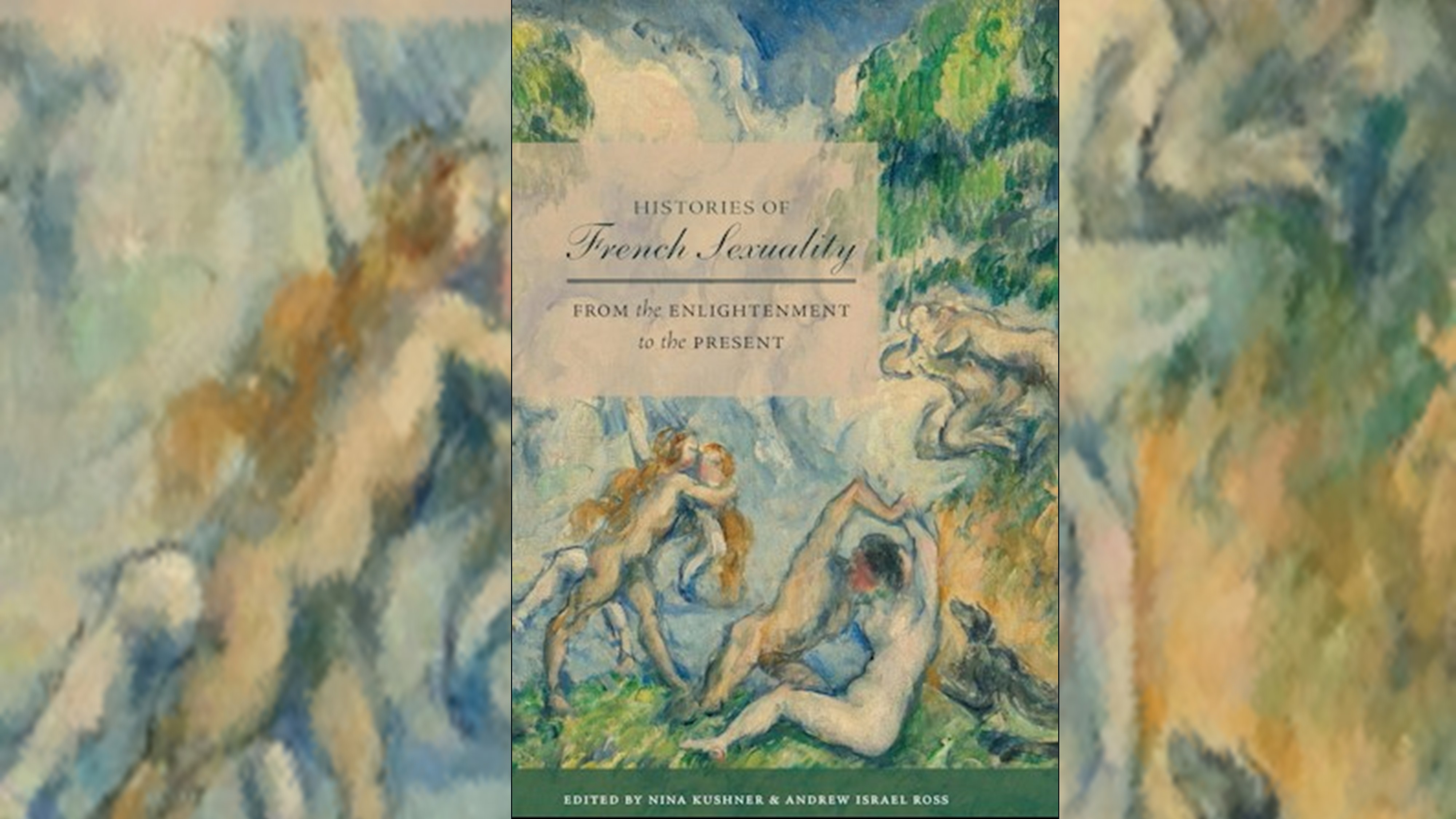
By HEIDI HEIN-KIRCHER | The history of sexuality has become an essential category of historical analysis. in contrast to the Anglo-American history that provided its impetus, French history began to be explicitly examined from a gender perspective comparatively late.
By MORITZ FÖLLMER | Achilles argues that constitutional patriotism was vibrant in Weimar Germany and that it was embraced both by political leaders in Berlin and by ordinary citizens in small towns. She conveys her appreciation of “civic habitus of democratic equality” but recognizes that this popular republicanism encountered some serious problems, describing how hostility to the Republic remained strong throughout the 1920s.
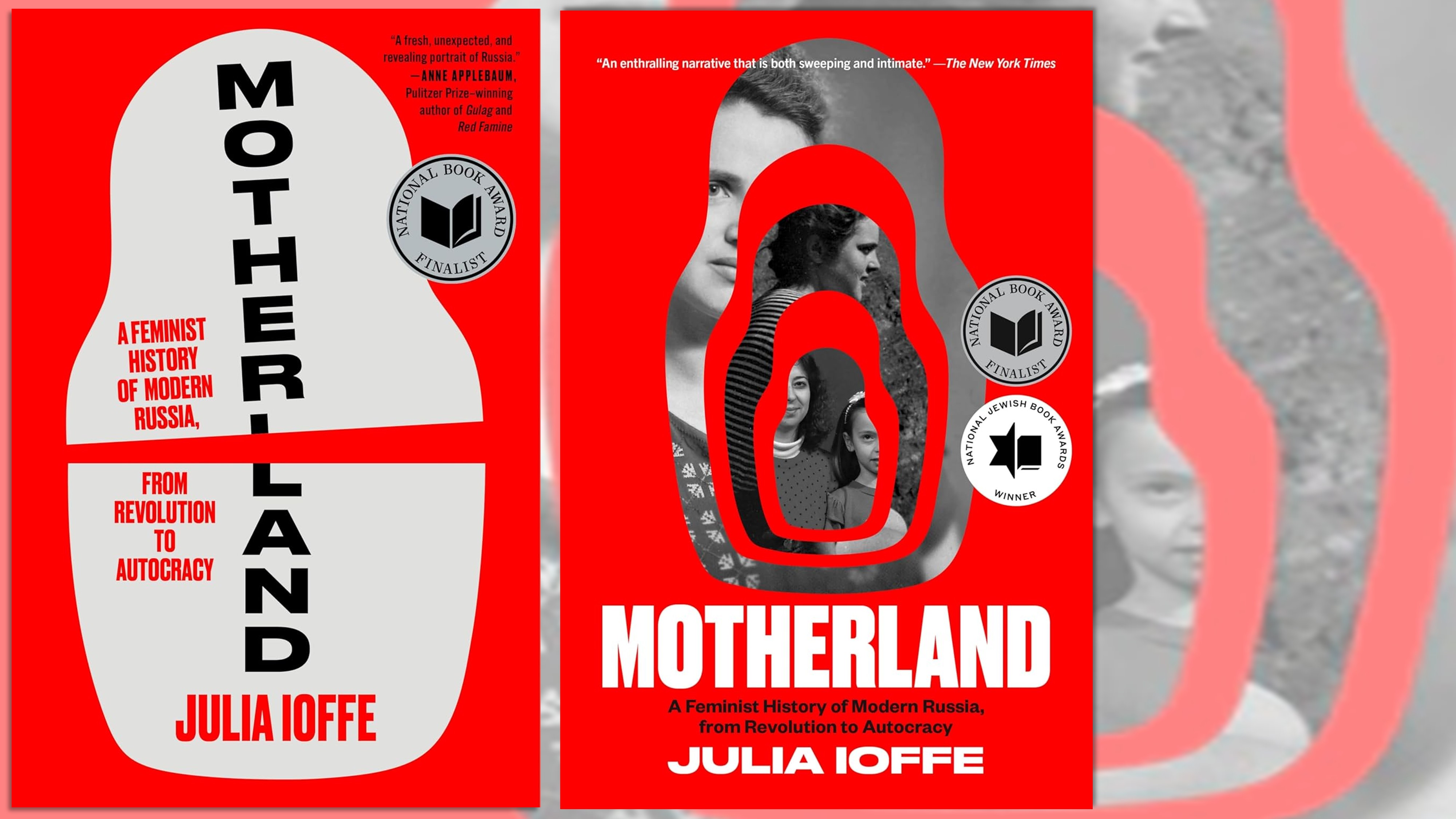
By JOHN PICKLES | In making women’s stories central rather than treating them as add‑ons to the biographies of male leaders, Ioffe produces a rich genealogy of the Soviet and Russian twentieth century in which reproductive politics, everyday survival, and domestic arrangements are placed alongside the changing scope of professional roles women played in Soviet society.
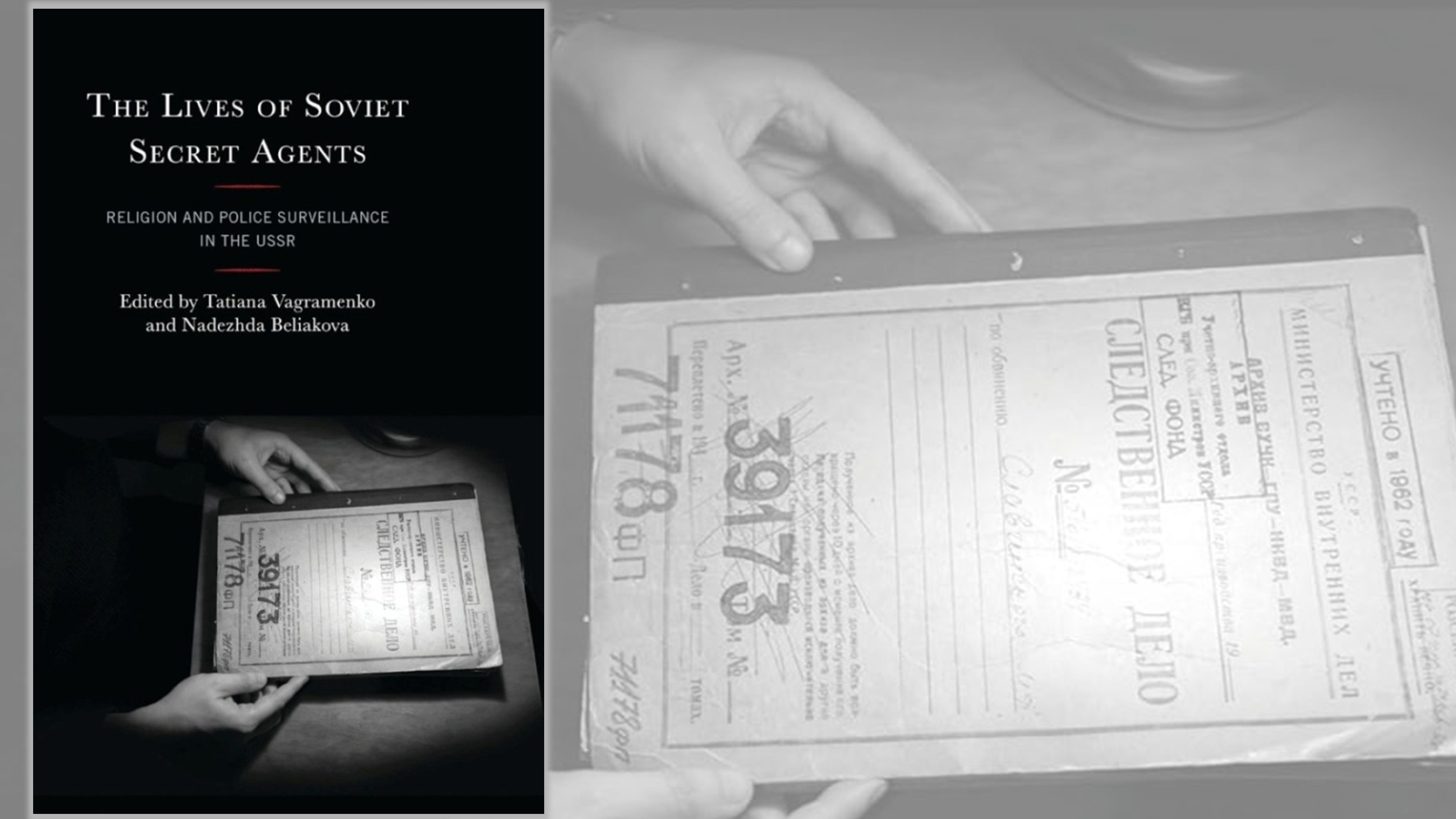
By SOPHIA KALASHNIKOVA HOROWITZ | The volume assesses informer effectiveness in controlling and limiting religious life in the USSR.
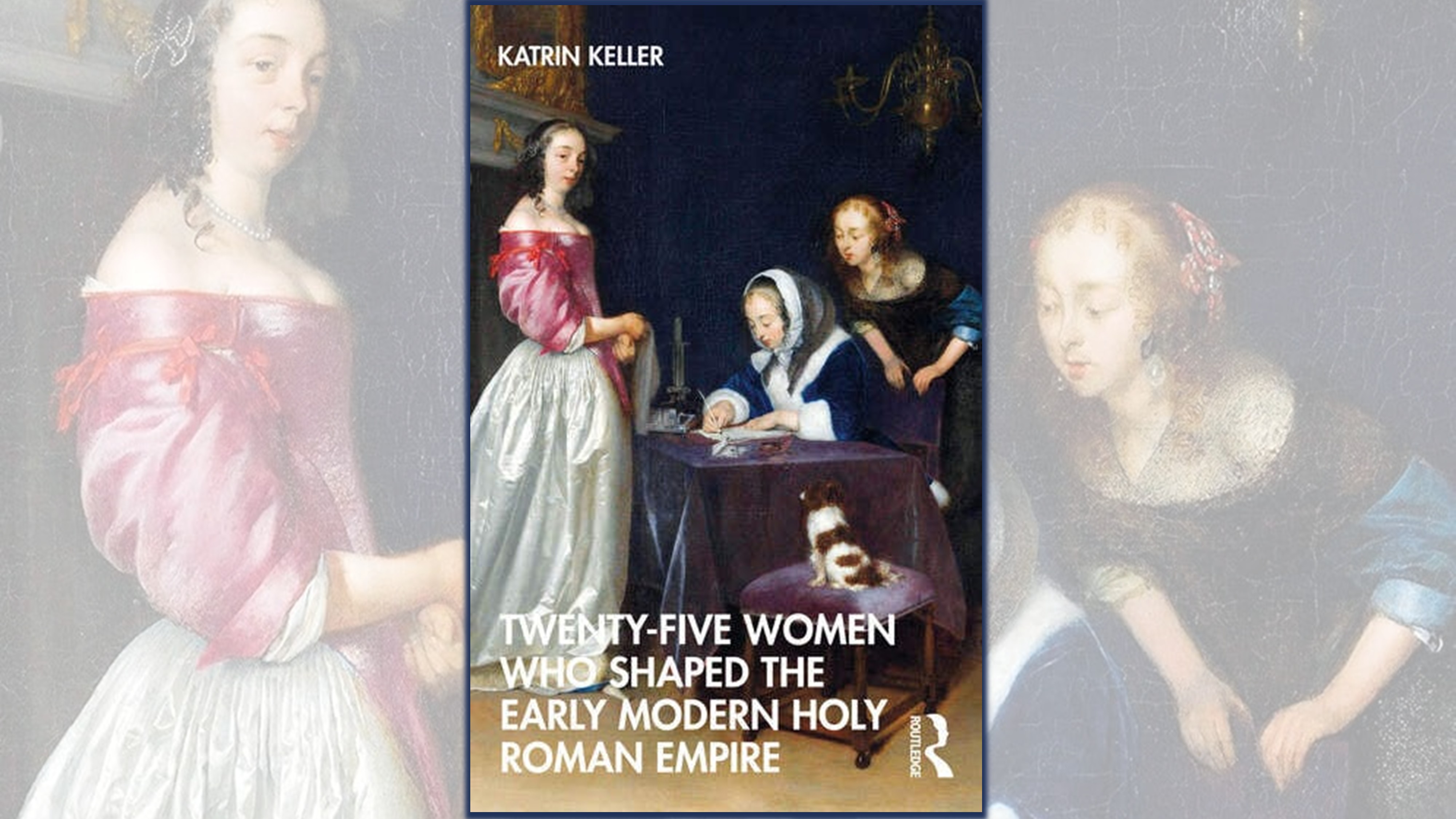
By EDINA PALEVIQ | Women found power even within constraint. They shared not status or fame, but action.