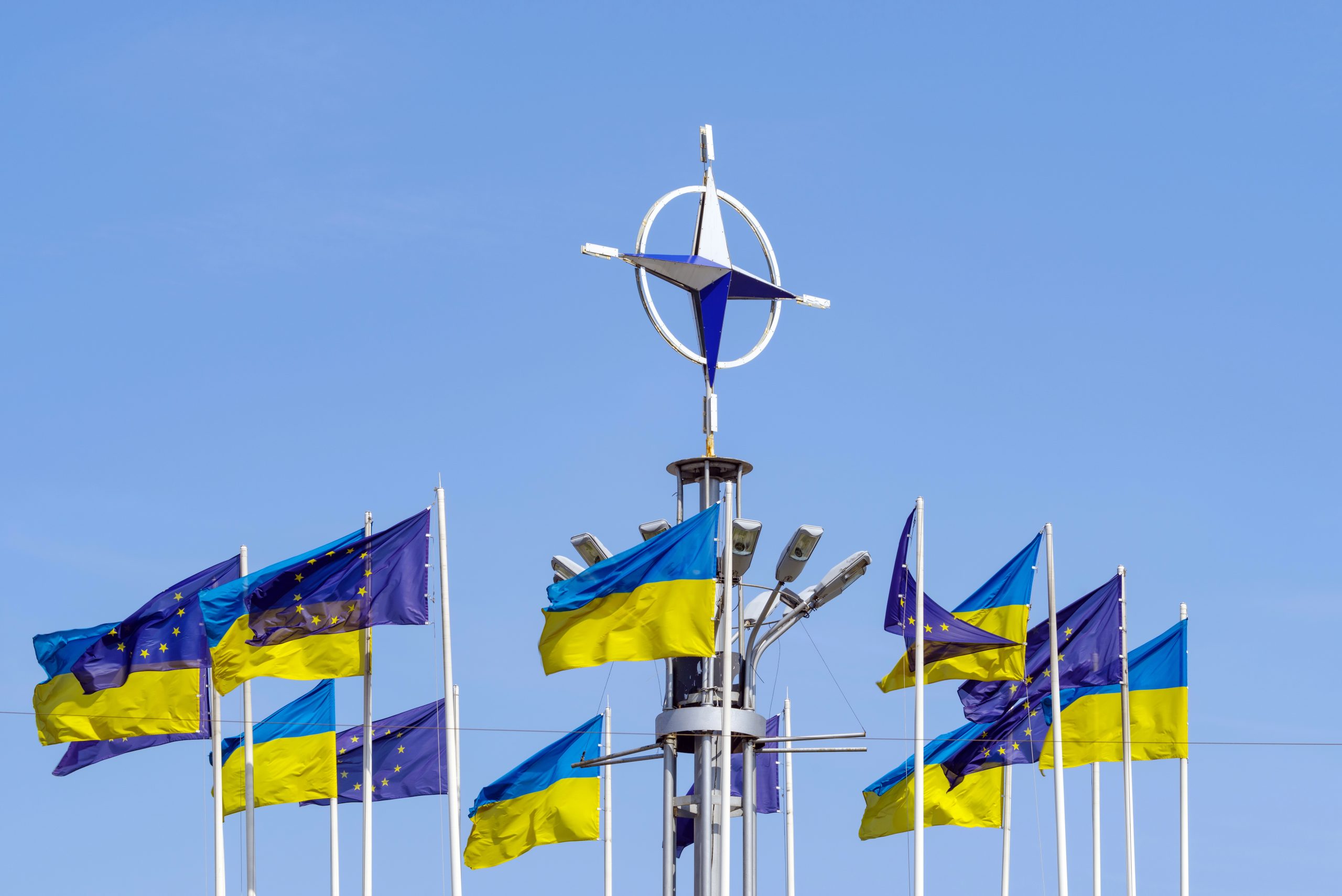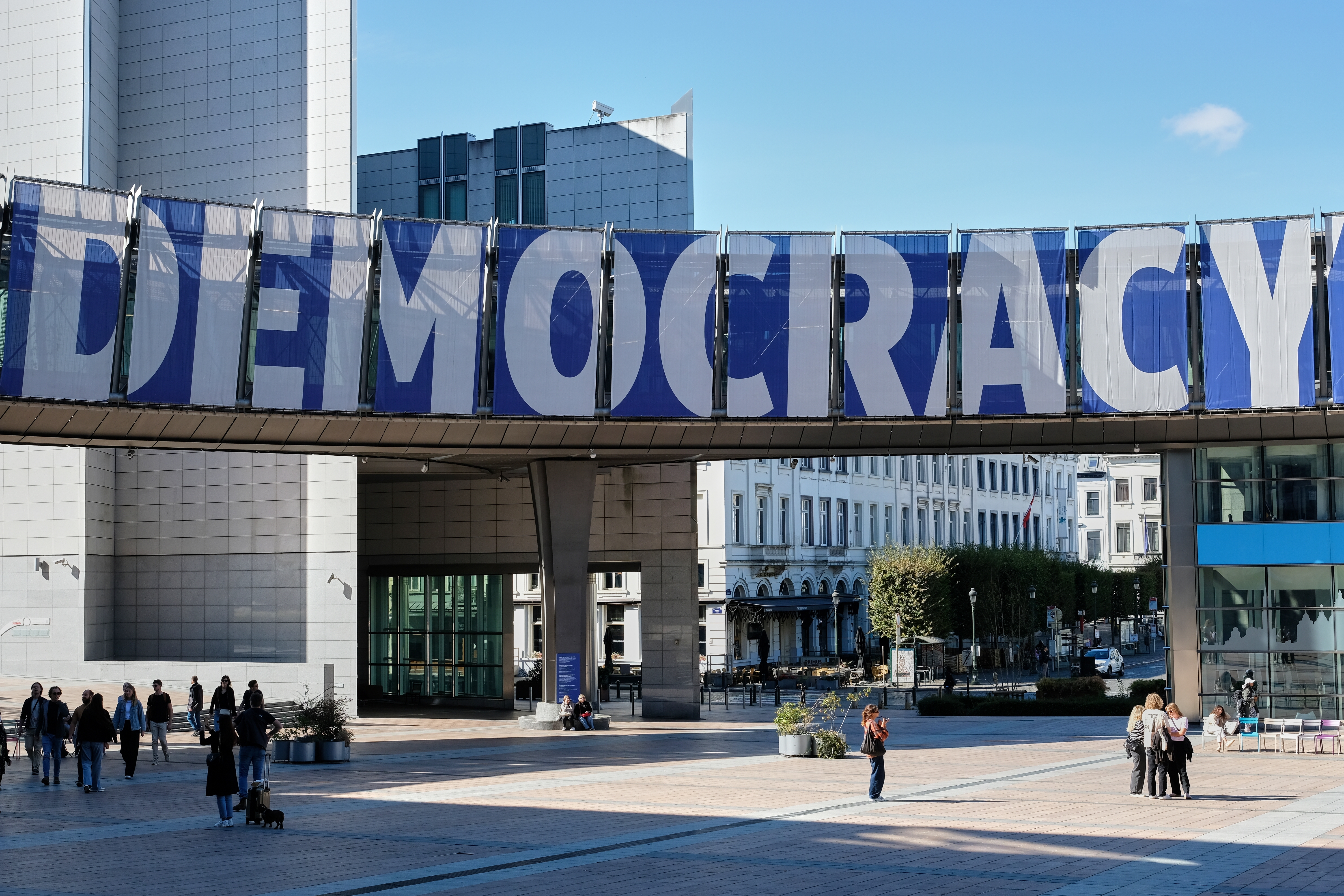
By JULIA KHREBTAN-HÖRHAGER | The present moment reveals how fragile Europe’s post-historical confidence proved to be. Questions of sovereignty, territorial revisionism, democratic resilience, and state violence have re-entered political life.

Tag: issue001
By SARAH WOLFF | Is the EU moving towards a model of migration governance increasingly shaped by deterrence, externalization, and geopolitical bargaining rather than fundamental rights protection?
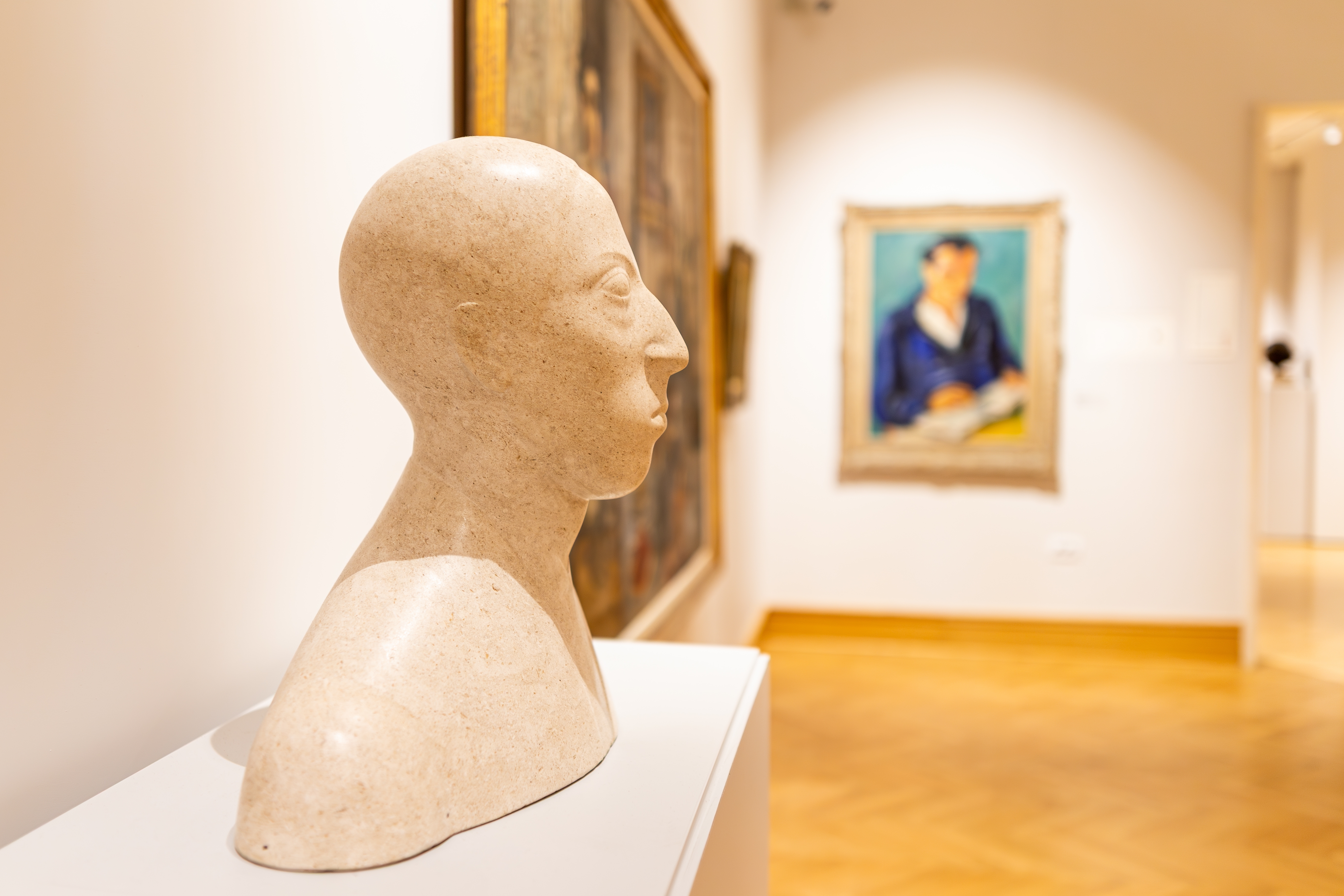
By SUZANA VULJEVIC | On first read, the irreverence and iconoclasm of Petrović’s lyricism appealed to me. While the high register, antiquated language, and occasional play on words found in the original threw me, Petrović the man was familiar and recognizable to me as a figure who fit squarely within Robert Wohl’s delineation of the generation of 1914.
By VICTOR TAKI | The history of the late seventeenth- and early eighteenth-century conflicts in and around Canada demonstrates certain deviations from the Western European military pattern emerging at the time.Small war, as practiced by the French and their Indigenous allies against English colonies in the 1690s, was strongly criticized by contemporary English military historians and later on by American and Anglo-Canadian historians.
By KUNLING ZHANG | Slowbalization is the result of a deliberate political choice by right-wing populist governments. Economic and geoeconomic factors have certainly played a role too.
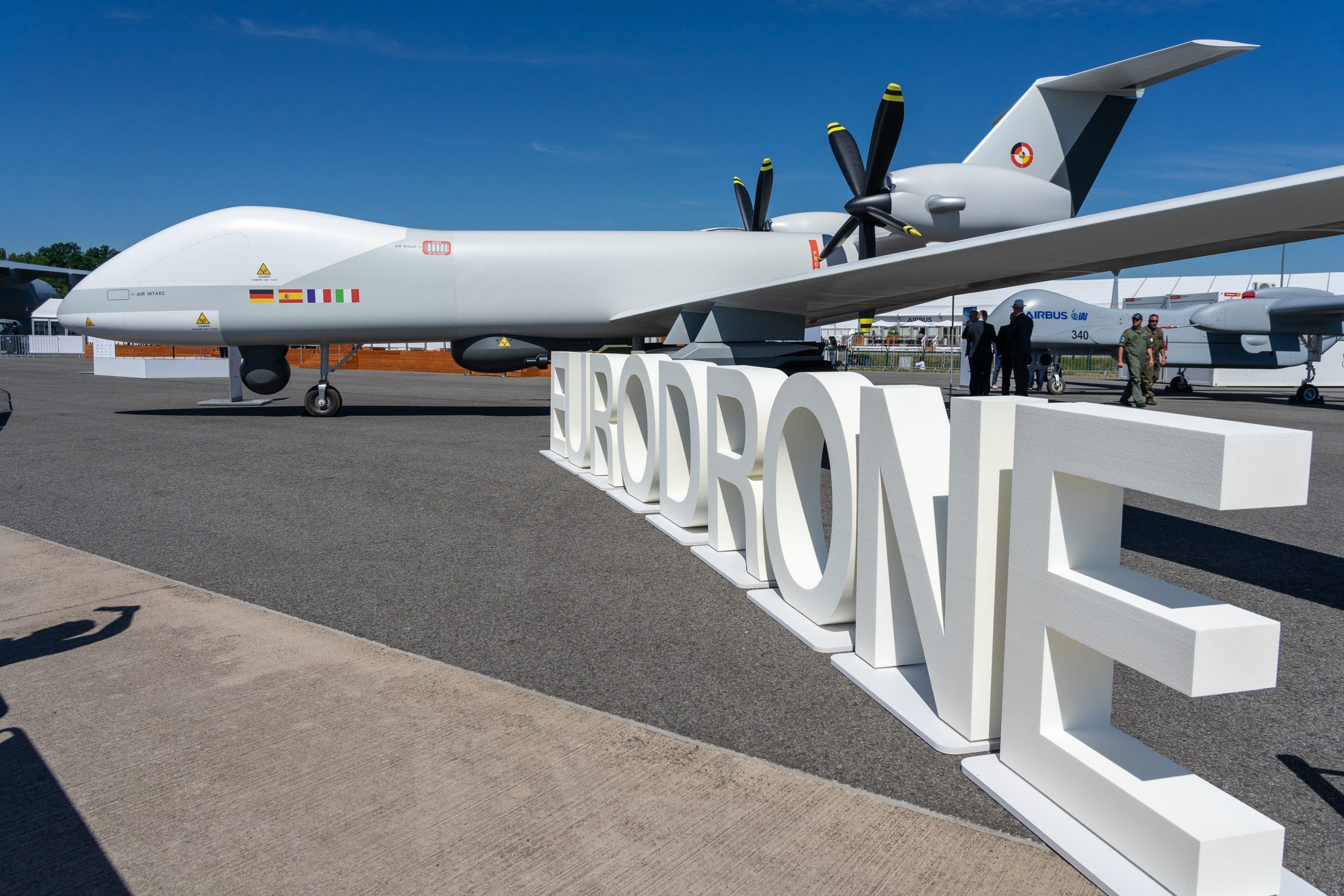
Defining the “European Defence Technological Industrial Base”: The Emergence of a Transnational Field under Dependencies
By SAMUEL B. H. FAURE | Arms production in Europe is mainly carried out by private companies, due to the liberalization of all national armament policies there.
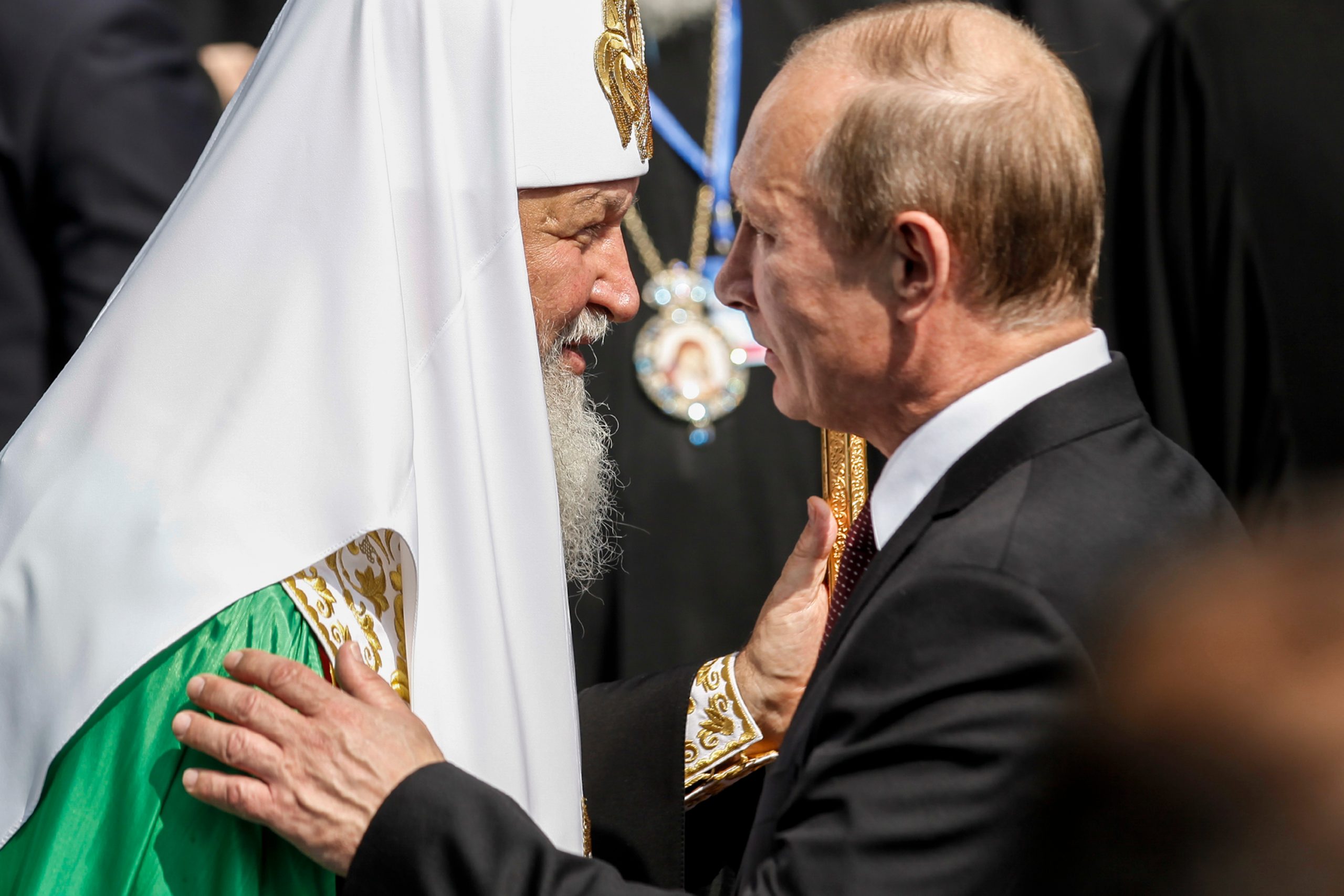
By GRIGORI KHISLAVSKI | In the run-up to and aftermath of the annexation of Crimea, Putin’s rhetoric started featuring theological imagery that ultimately found its way into the constitution via amendments.
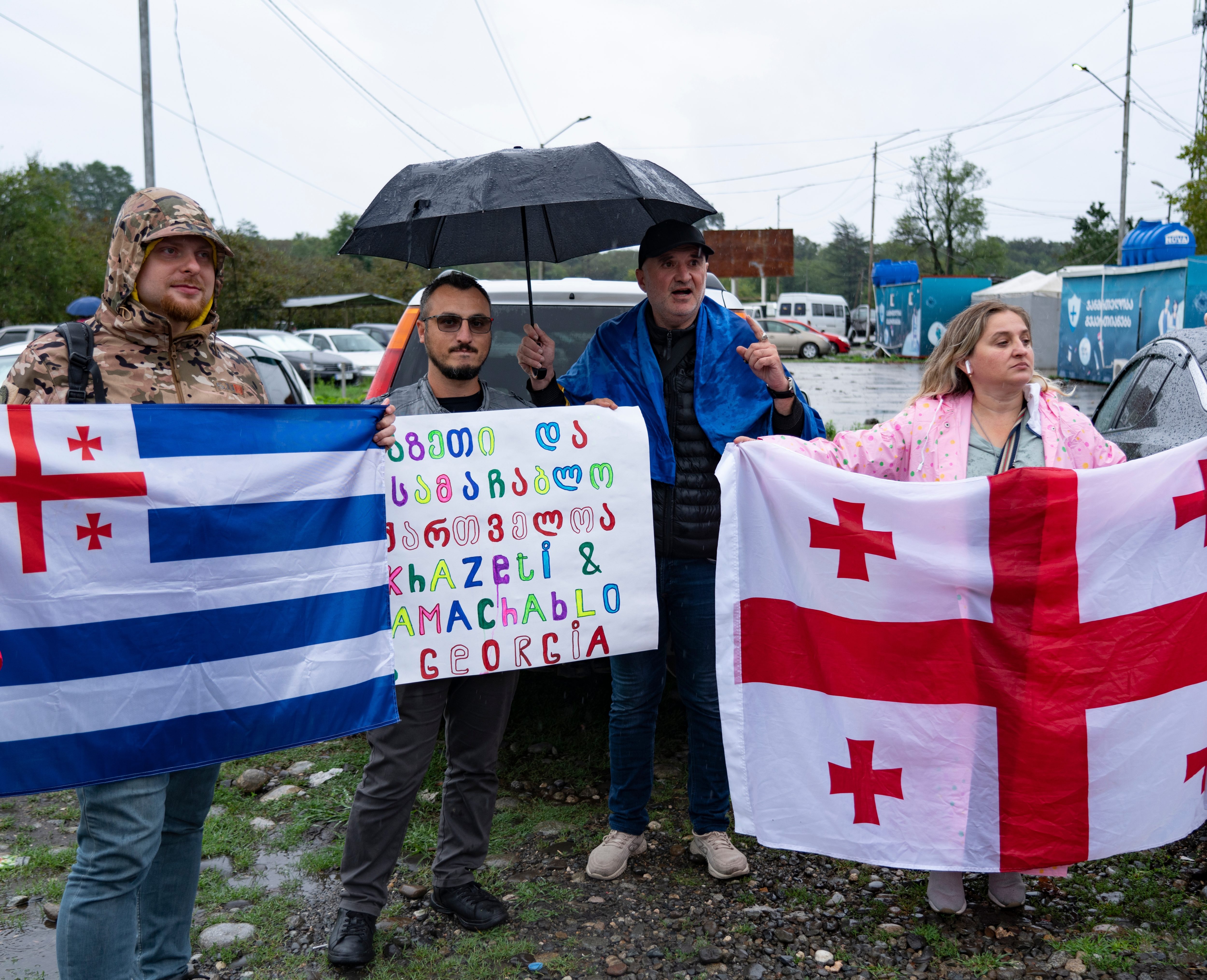
The Wider Impact of Russia’s Full-Scale Invasion of Ukraine: Insights from Georgia’s Contested Borderland with Abkhazia
By GAËLLE LE PAVIC | Contested borders constitute a particularly pronounced phenomenon in Eastern Europe and the South Caucasus, where unresolved conflicts and wars after the collapse of the Soviet Union have generated enduring disputes over sovereignty and statehood.
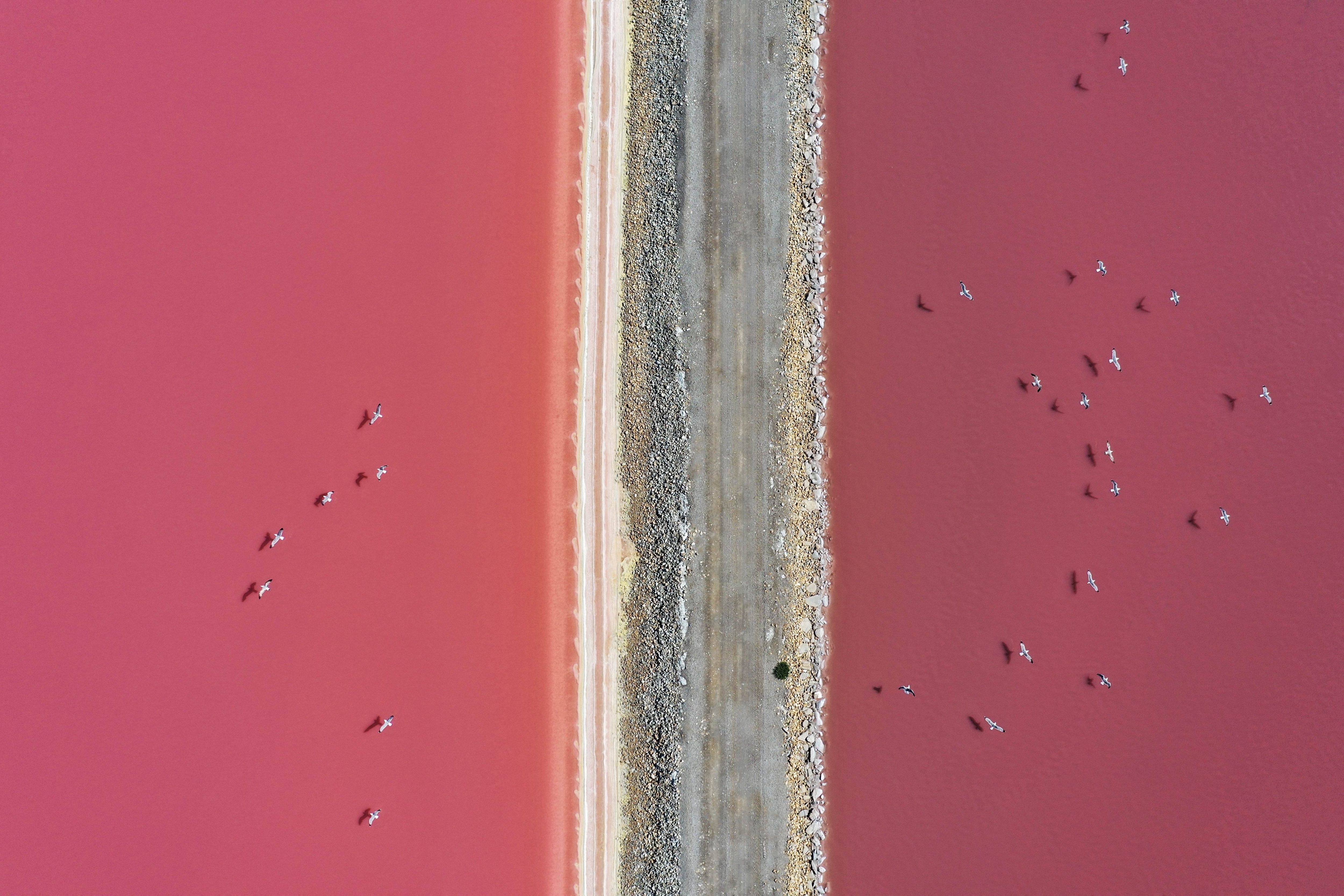
By MAGALI CHESNEL | Camargue’s salt marshes and ponds have become oases for the greater flamingo. This series is a minimalist immersion into the intimacy of this emblematic bird, which feeds there and flies above landscapes of fragile beauty.
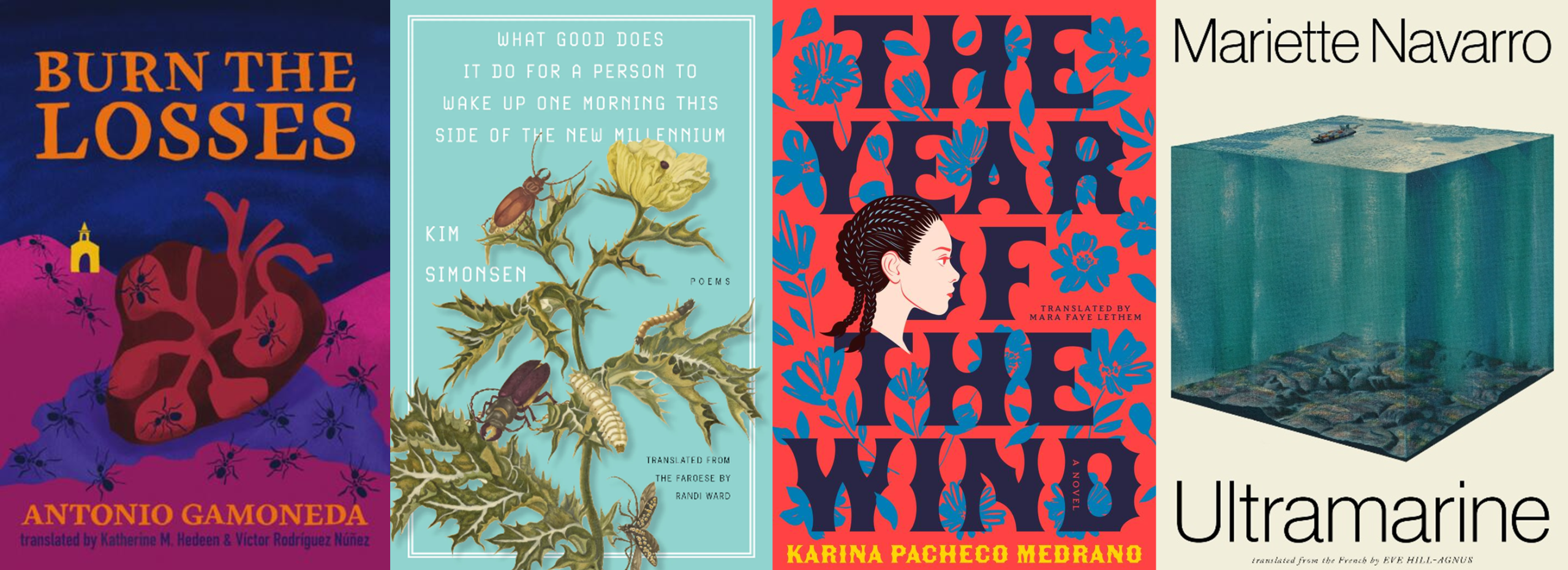
GlobalEurope looks back and picks its favorite literary translations published in 2025.
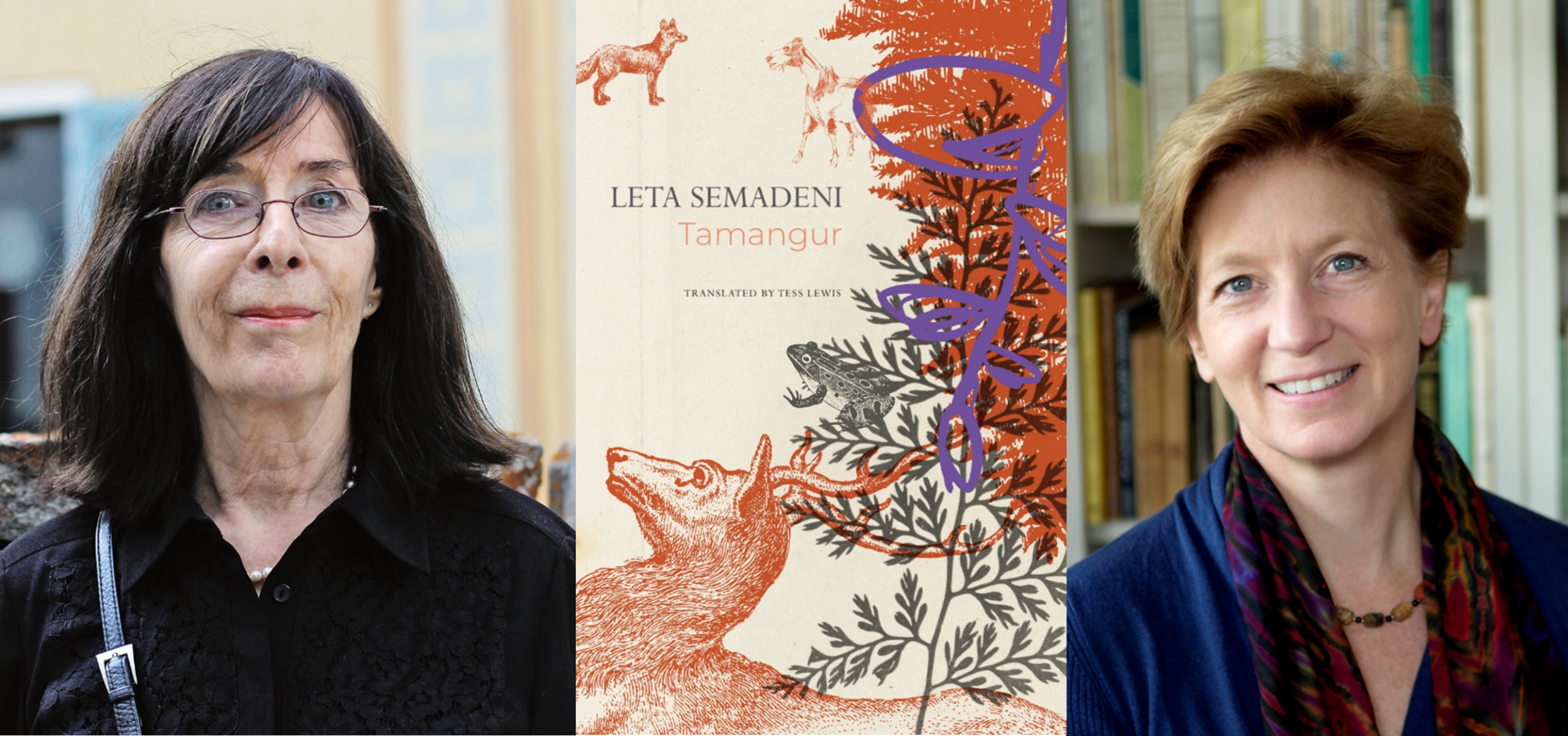
Translated by TESS LEWIS | Horsetails swayed on the bank, stretching their heads toward the water and behind them, barberries glowed on the hedge through the dark tree trunks.
By PAUL O’KEEFFE and CLAIRE MacEVILLY | Education is increasingly being called upon to foster ecological literacy, social cohesion, and community resilience.
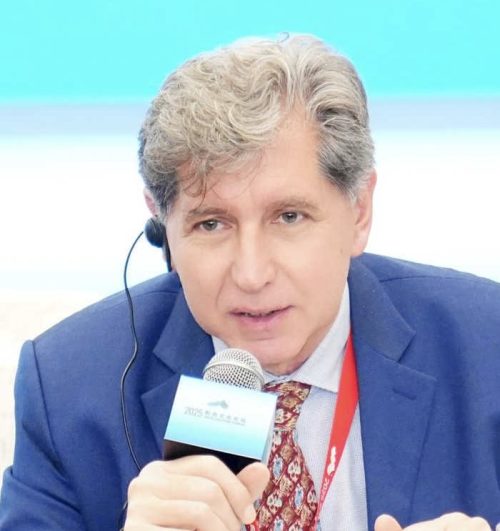
By POMPEO DELLA POSTA | The EU is uniquely situated to play a moderating role in the confrontation between the US and China, given its geopolitical influence, economic power, and commitment to multilateralism.
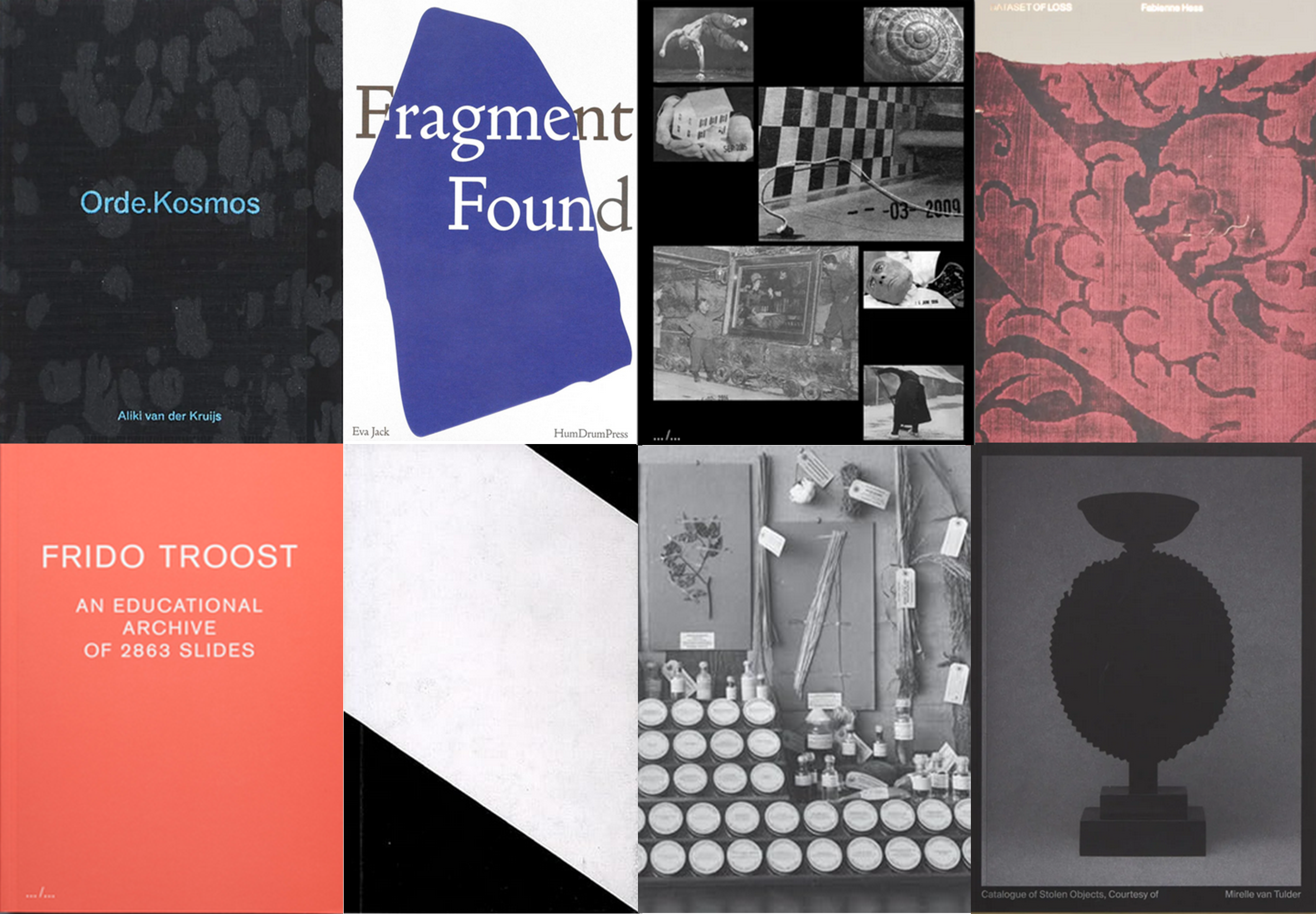
By DAVID BERRIDGE | The books discussed here chart a shift from the individual photograph to a reckoning with the “cacophonous energy” of our historical and contemporary image worlds.
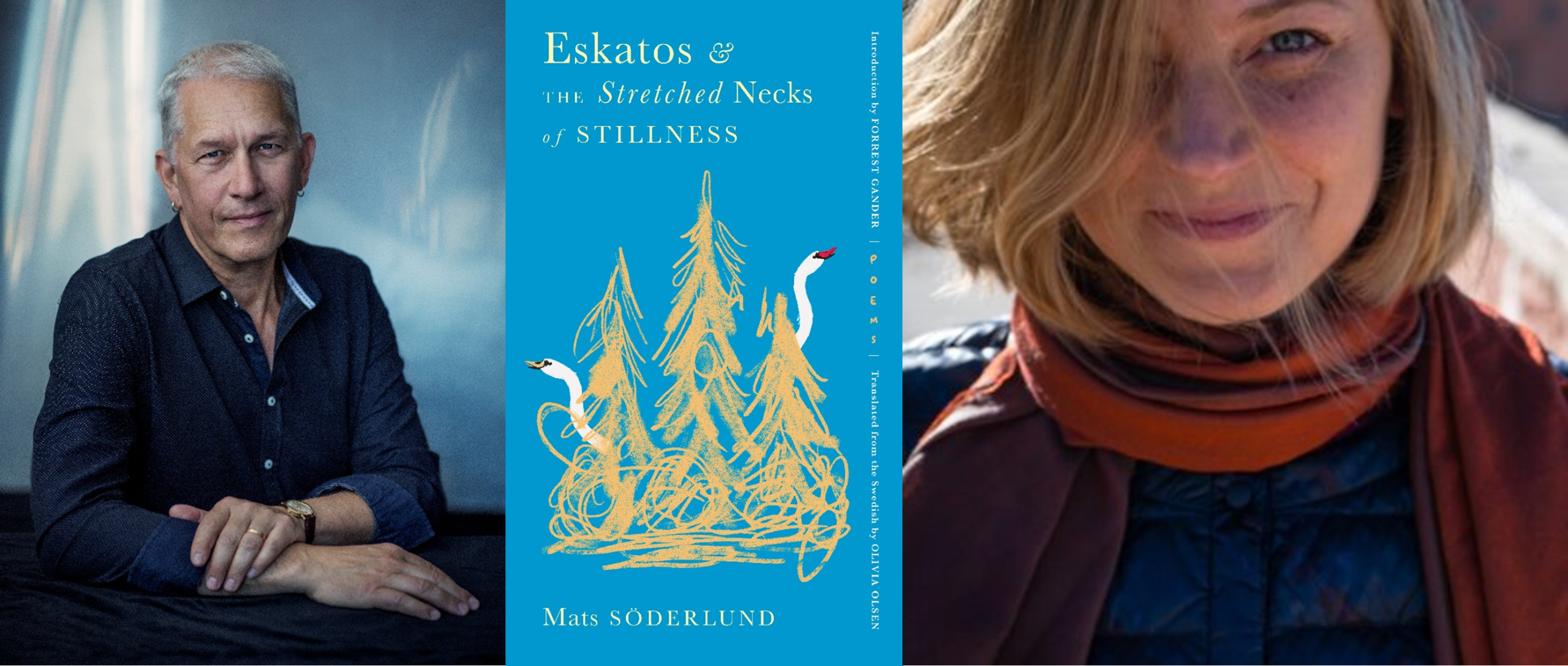
Translated by OLIVIA OLSEN | listen to / open beaks / open wounds / their terror in the nets / in the steel wire snares…
This month’s recent book recommendations by GlobalEurope editors Oksana Ermolaeva and Edina Paleviq
By HÉLÈNE B. DUCROS | The Russian invasion was made possible because of our very system of production and resource use.
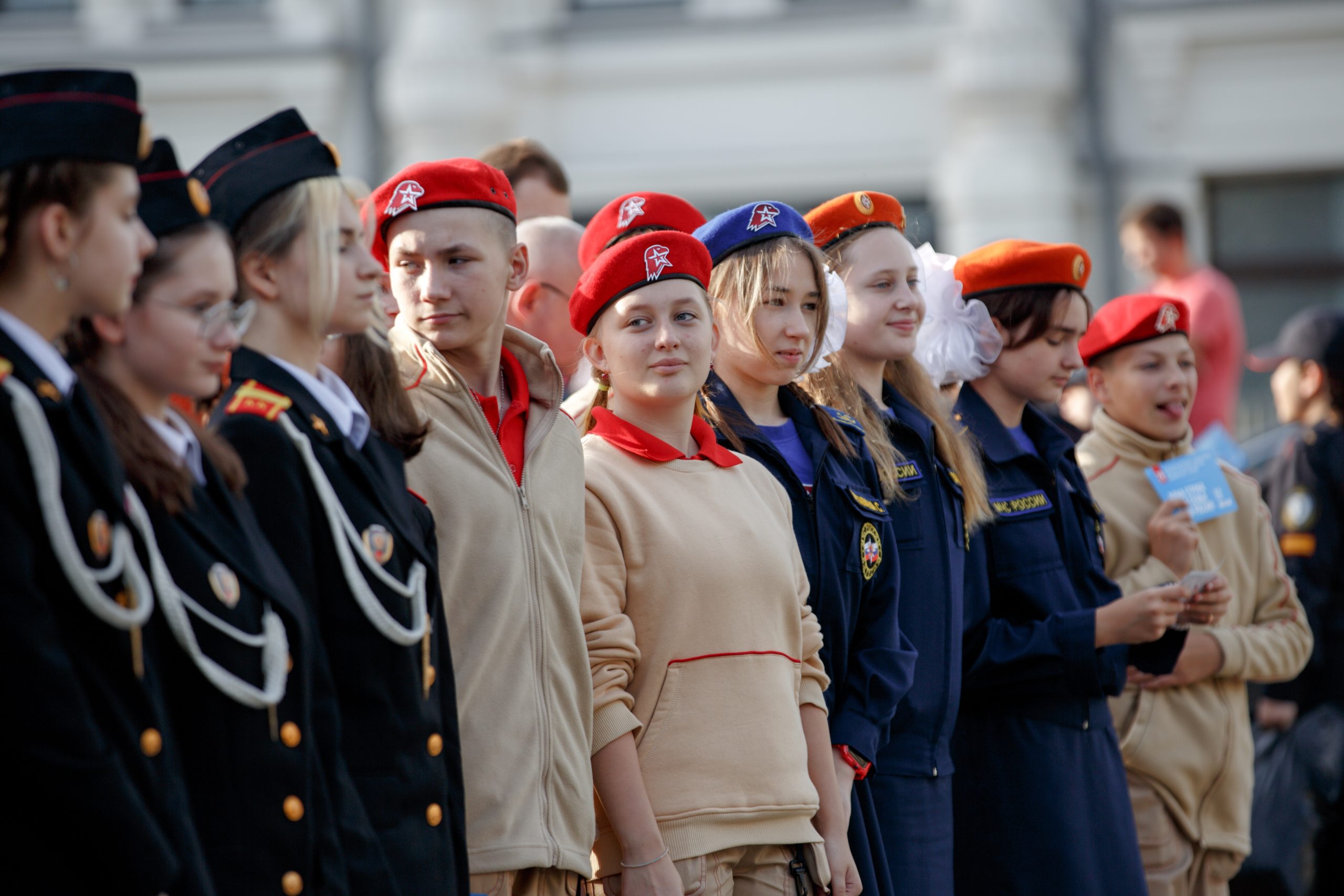
By JULIA KHREBTAN-HÖRHAGER | Throughout modern history, the indoctrination and militarization of young people have proven central to the consolidation of non-democratic regimes.
By LIEVEN ENGELEN | Like silent witnesses of a present rooted in one of the darkest days of Europe.
By METEHAN TEKINIRK | Europe’s pivotal moment is part of a broader process, a fundamental shift in world politics.
By BEE LEHMAN and TOM VAN NUENEN | Scholars must understand the scope of what exists in a digital environment to be conscious of inherent biases and interpretative limitations in their research.
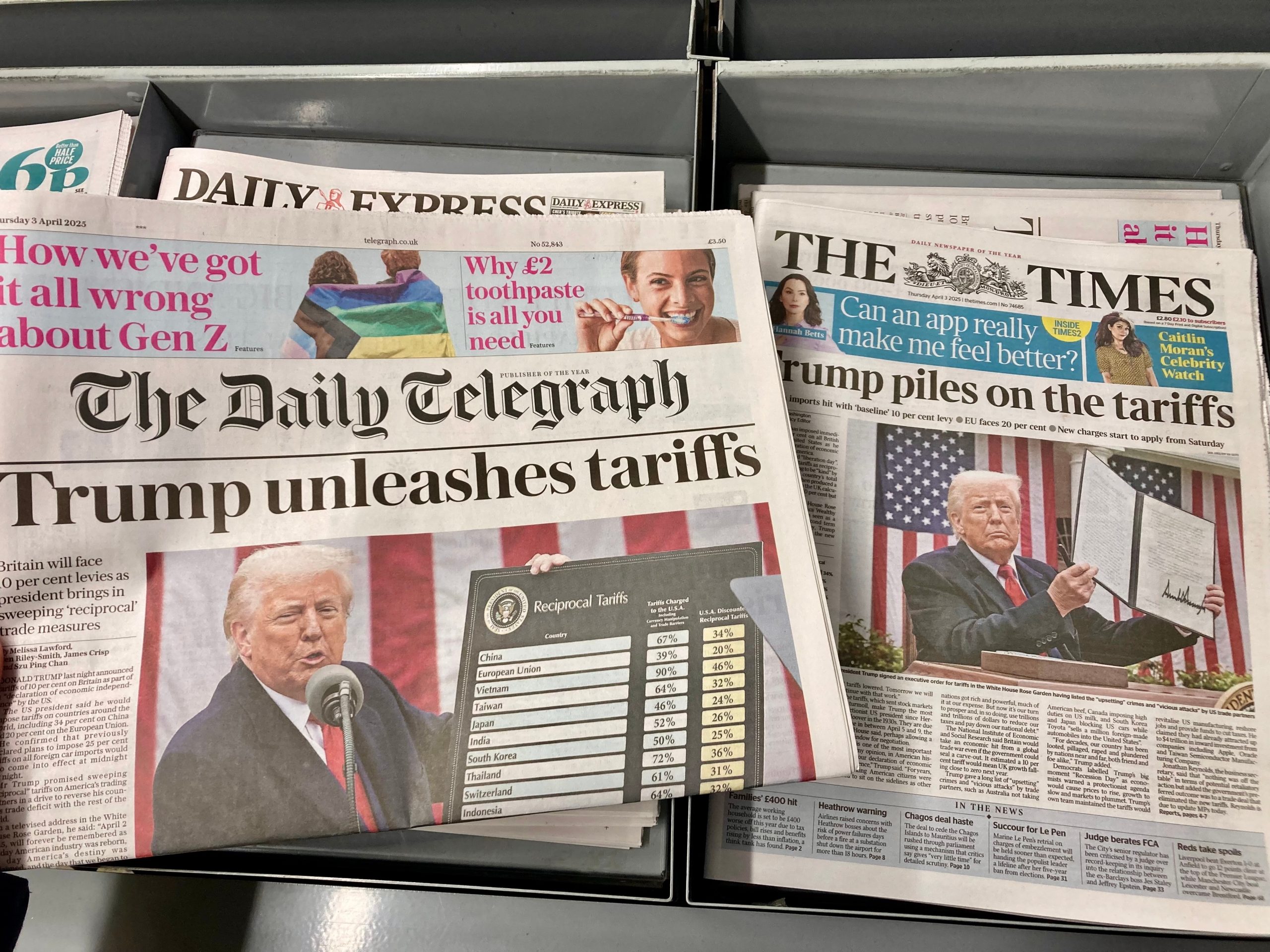
Trade Policy as an Assertion of National Power: Reading Hirschman to Understand the Donald Trump Administration
By PETER DEBAERE and MANUELA ACHILLES | Trade policy can serve as a deliberate instrument of political power even when it runs counter to the economic interests of the country imposing it.
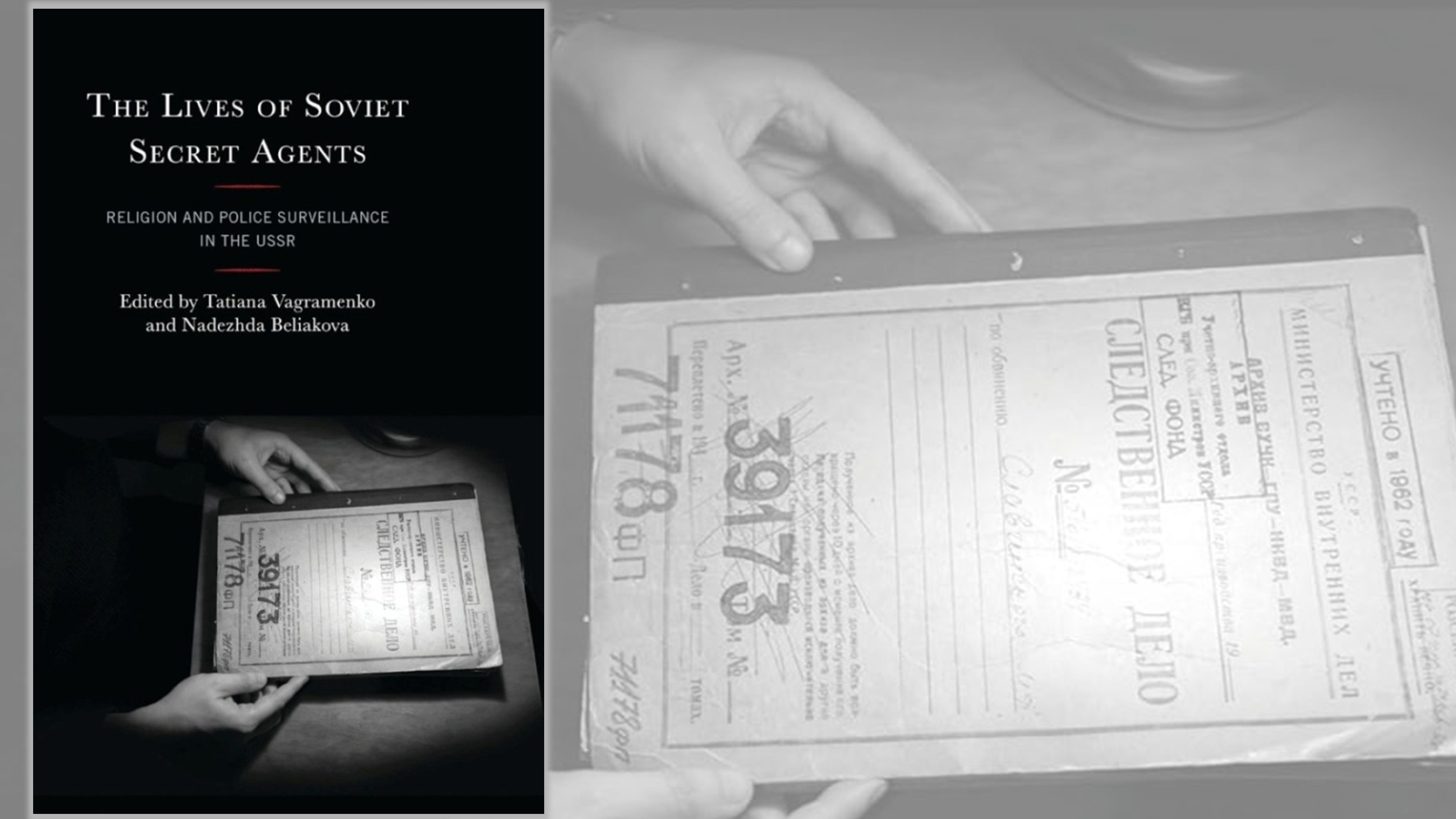
By SOPHIA KALASHNIKOVA HOROWITZ | The volume assesses informer effectiveness in controlling and limiting religious life in the USSR.
This month’s recent book recommendations by GlobalEurope editors Nick Ostrum, Hélène B. Ducros, Edina Paleviq, and Oksana Ermolaeva.
Translated by AQIIL M. GOPEE with JEFFREY DITEMAN | A milky glow, the gauze of dawn, had begun to appear, vaguely wafting over the edges of the Orient.
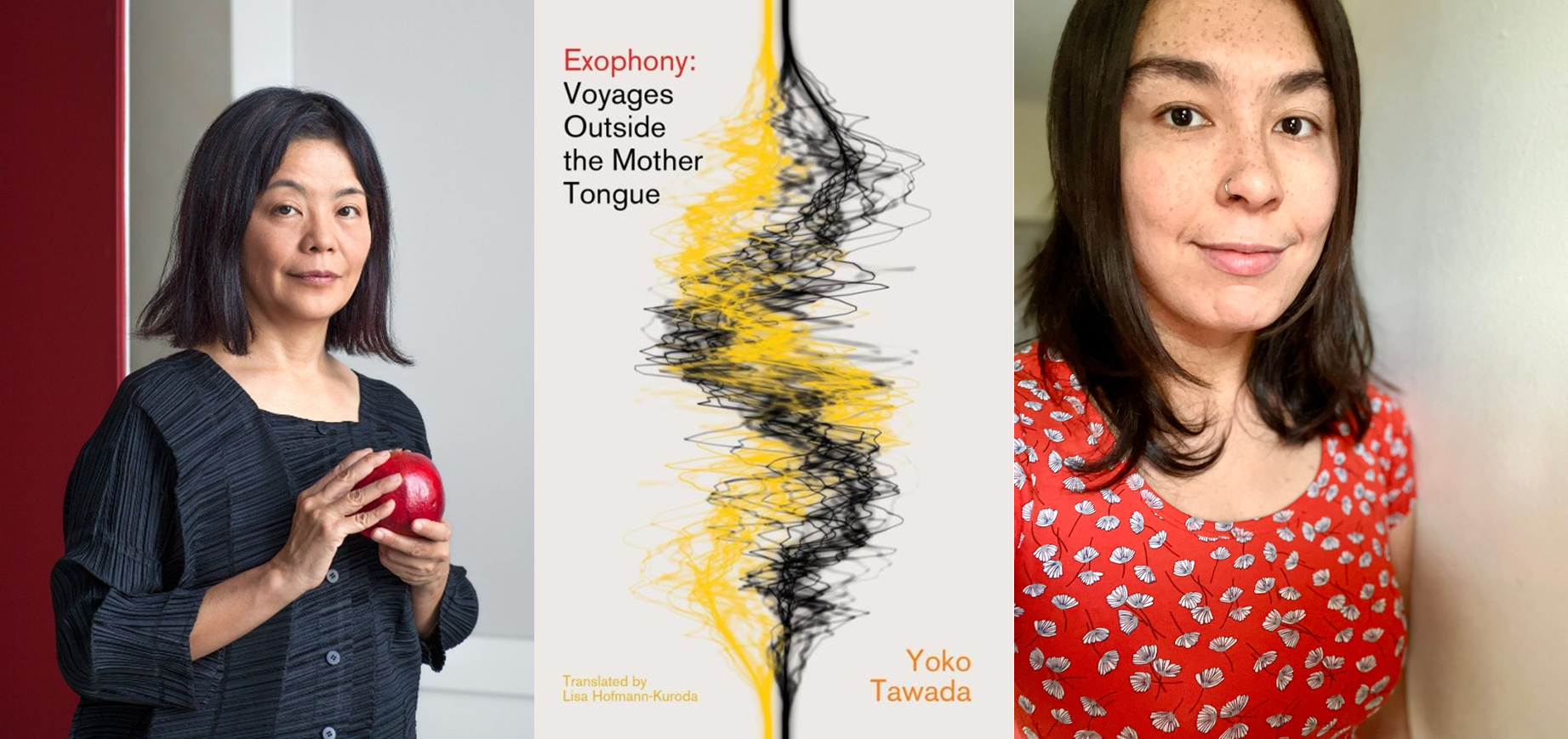
Translated by LISA HOFMANN-KURODA | Perhaps the desire to learn another language as an adult is simply a nostalgic yearning for that time in infancy when we had completely unrestricted movement over our tongue and lips.
By ANDREW MARTINO | At what point does an author, especially one of tremendous renown, sacrifice a right to privacy?
By CRAIG WILLIS | Every European league contains clubs situated in areas with regional or minority language contexts.
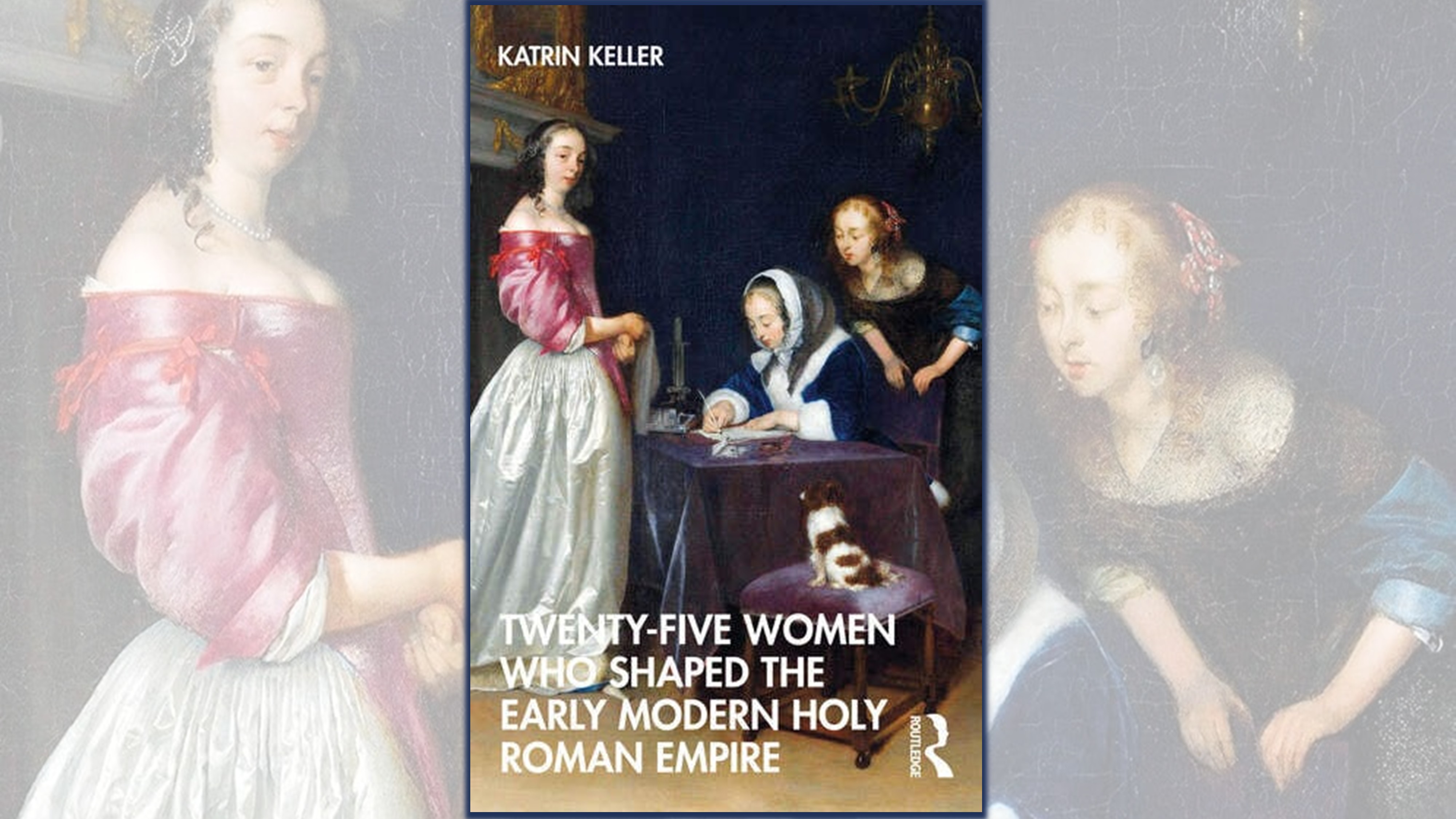
By EDINA PALEVIQ | Women found power even within constraint. They shared not status or fame, but action.